
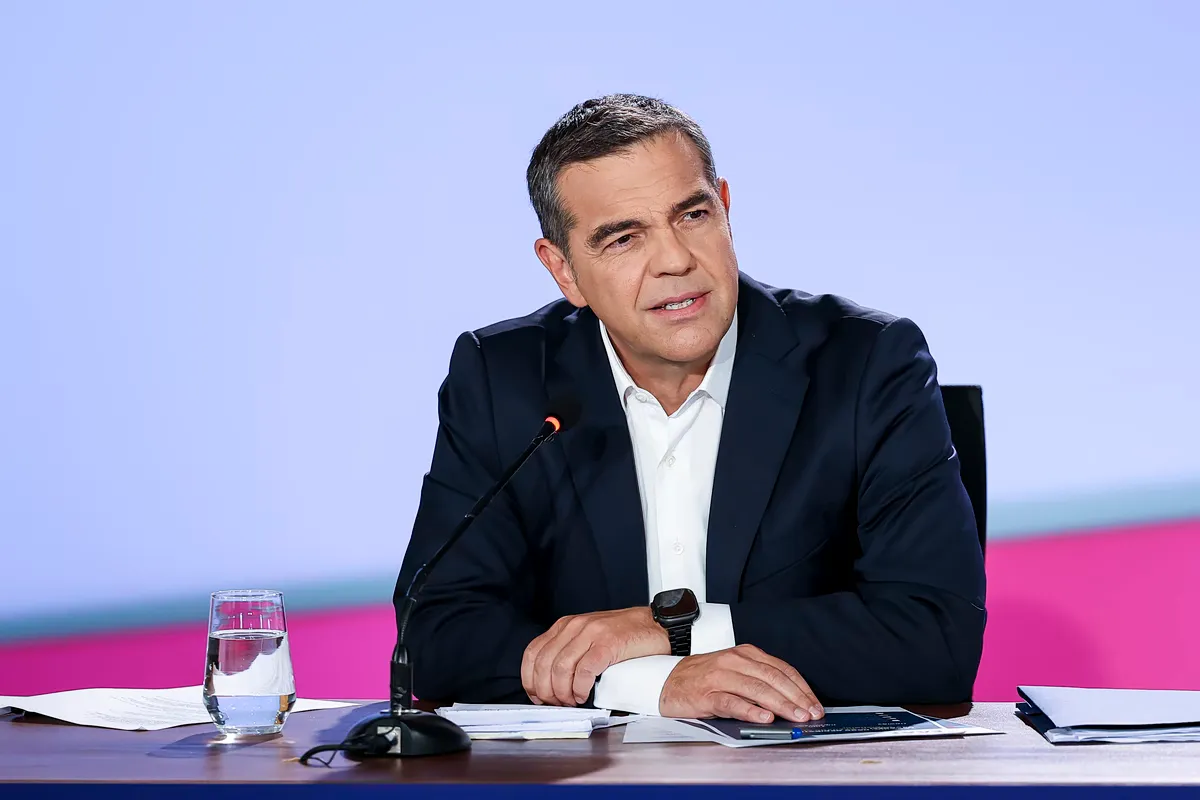
Strategic engagement with the Athens Chamber of Commerce
Alexis Tsipras, the leader of the Greek Left Alliance (ELAS), will participate in a formal meeting of the Board of Directors of the Athens Chamber of Commerce (E.E.A.). The session, scheduled to begin at 7:00 PM, follows an official invitation from the President of the E.E.A., Giannis Chatzitheodosiou. This meeting represents a direct interaction between political leadership and the professional community of the capital.
The primary objective for the ELAS leader is twofold: to listen to the specific grievances of professionals and to present a structured political response. By attending this session at the E.E.A. headquarters, Tsipras aims to bridge the gap between political theory and the practical realities of the Athenian business landscape. The presence of a former Prime Minister at such a professional gathering underscores the political weight of the chamber's upcoming discussions.
Proposals for strengthening Greek SMEs
The meeting serves as a vital stage for the presentation of ELAS's specific proposals designed to bolster small and medium-sized enterprises (SMEs). These proposals are intended to address the systemic vulnerabilities that currently hinder the growth and stability of the Greek entrepreneurial sector.
While the specific details of the ELAS roadmap are being presented during the session, the focus remains on creating a more resilient environment for micro-enterprises. The political strategy involves moving beyond general economic theory to offer actionable support mechanisms. This approach seeks to address the immediate needs of business owners who are navigating a complex and often volatile economic climate in Greece.
Addressing critical economic pressures on businesses
The agenda for the evening is dominated by several pressing economic challenges that have become central to the discourse of the Athens Chamber of Commerce. Professional members are expected to voice their concerns regarding the rising costs and structural barriers currently impacting their operations.
Key topics on the table include:
- Energy Costs: The ongoing volatility in energy prices remains a primary concern for businesses attempting to maintain predictable operating margins.
- Housing and Real Estate: The increasing cost of commercial and residential space is creating significant pressure on both employees and business owners.
- Taxation Policies: The fiscal burden on small enterprises continues to be a major point of contention and a central theme for political debate.
These issues form the backbone of the current economic anxiety in Greece. The interaction between the E.E.A. professionals and the ELAS leadership will likely focus on how these multi-faceted problems can be mitigated through targeted legislative and economic intervention.
FAQ
Who invited Alexis Tsipras to the meeting?
Alexis Tsipras was invited to the meeting by Giannis Chatzitheodosiou, who serves as the President of the Athens Chamber of Commerce (E.E.A.). The meeting is a formal session of the Chamber's Board of Directors held at their official headquarters.
What is the main goal of the ELAS proposals?
The main goal of the proposals presented by the Greek Left Alliance (ELAS) is to provide concrete measures for the strengthening of small and medium-sized enterprises. These measures aim to support entrepreneurship amidst current economic difficulties.
Which economic issues will be discussed?
The discussion will focus on several critical economic pillars, including the rising costs of energy, housing and real estate challenges, and the ongoing impact of taxation on small and medium-sized businesses in the region.
Conclusion
The meeting between Alexis Tsipras and the Athens Chamber of Commerce highlights the intersection of political advocacy and economic necessity. As Greek SMEs struggle with energy volatility, housing costs, and tax burdens, the role of political parties in offering structured solutions becomes increasingly prominent. This engagement provides a venue for the E.E.A. to present its professional demands directly to political leadership. Whether the ELAS proposals can translate into meaningful legislative change remains to be seen, but the dialogue itself marks a crucial step in addressing the multifaceted economic pressures currently defining the Greek business environment.







