
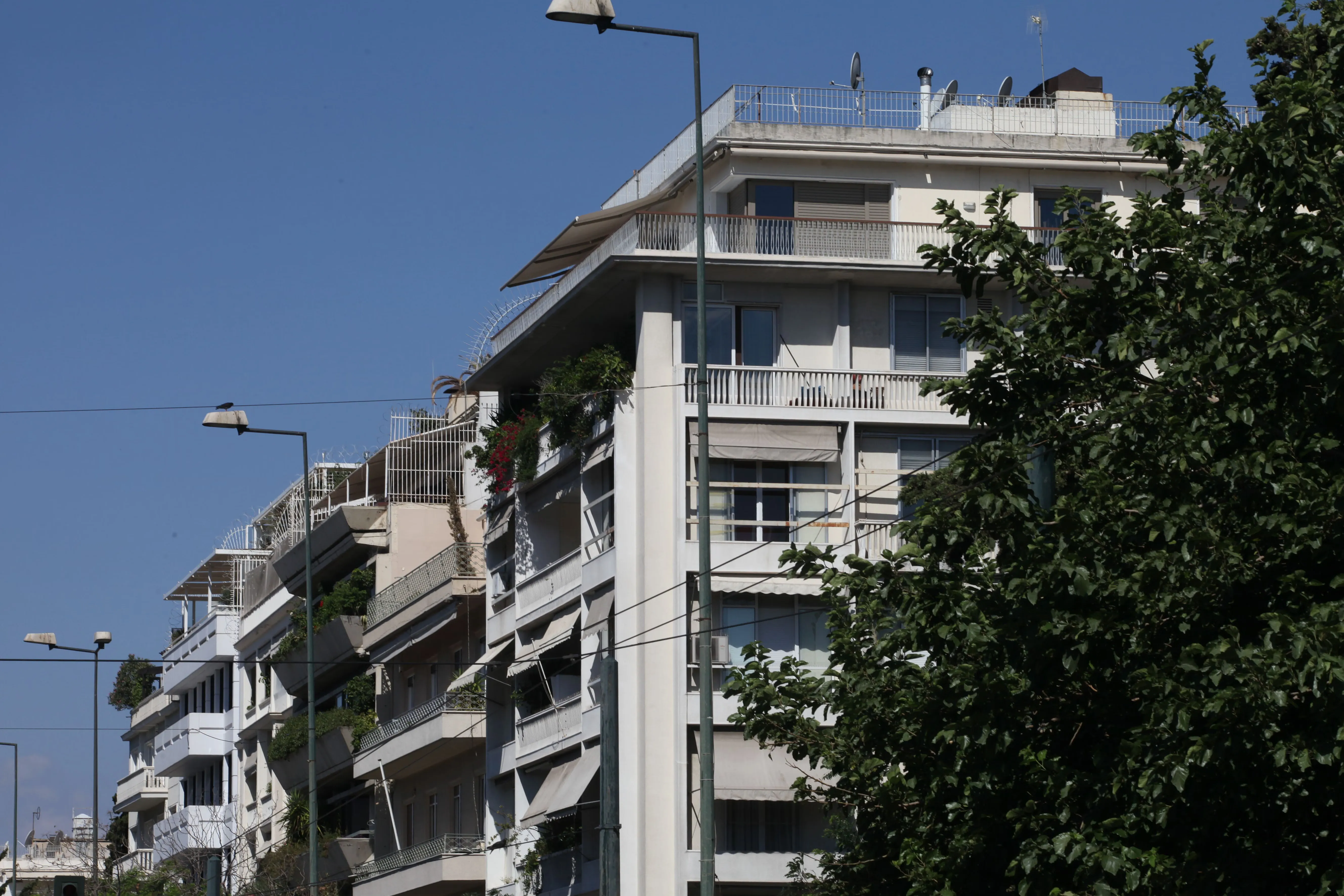
Why are apartment building conflicts increasing?
The increasing complexity of urban living has turned many multi-unit buildings into environments of constant tension. While living in an apartment offers convenience, the proximity of neighbors often leads to friction over minor issues that can escalate into significant legal disputes. Common triggers include noise disturbances during quiet hours, the misuse of shared facilities, and disagreements over building maintenance projects like elevator upgrades.
A significant driver of modern tension is the lack of clarity regarding individual versus collective rights. When one owner's private renovation affects the structural integrity or aesthetic unity of the building, it ceases to be a private matter and becomes a communal one. These disputes frequently end up in courtrooms, creating a heavy burden on the judicial system and increasing costs for all residents.
How do unpaid common expenses impact residents?
The most persistent headache for building managers is the failure of owners to pay their share of common expenses. This issue has been exacerbated in recent years by a specific demographic shift: the rise of foreign and corporate investors who purchase apartments as investment properties.
Many of these units remain vacant for extended periods, with owners providing no contact information to building managers. When these properties are eventually sold, new buyers often refuse to settle the outstanding debts of the previous owners, claiming no legal obligation for past arrears. This leaves the remaining residents to shoulder the financial burden. Currently, managers must call general assemblies to initiate debt collection through lawyers or request increases in the building's reserve fund to cover essential costs. It is important to note that claims for unpaid common expenses expire five years after the year the debt was incurred.
Managing debt and legal recovery
When facing non-payment, managers have the authority to seek court orders or payment injunctions. To do this successfully, they must provide computerized notifications of the debts and documentation of the expenses being contested. This process is often slow and costly, which is why the proposed legislative reforms are focusing heavily on simplifying the recovery of these funds.
What are the risks of private renovations in shared buildings?
Many apartment owners mistakenly believe that renovations within their four walls are entirely private matters. In reality, any work that impacts the building's exterior, its structural framework, or the rights of other owners is a communal concern. While owners have freedom of movement within their units, this freedom is not absolute.
Conflicts frequently arise when an owner attempts to demolish an internal wall, change window styles, or open new doors. If these actions affect the building's load-bearing structures or its overall appearance, they can trigger legal action from neighbors. The distinction between a cosmetic change, such as painting an interior wall, and a structural change is a frequent point of contention that requires careful legal and technical oversight.
Why do rooftop and balcony modifications cause disputes?
Rooftops and balconies are among the most contested areas in multi-unit living because they sit at the intersection of private use and common ownership. A rooftop is typically a common area, and even if an owner has the right of exclusive use, this does not grant them the right to build on it. There is a critical legal distinction between the 'right of exclusive use' and the 'right of height,' the latter of which requires specific co-ownership percentages and building permits.
Similarly, enclosing a balcony is a major source of conflict. Because balconies are integral to the building's facade and structural system, unauthorized enclosures create significant urban planning and property law issues. An illegally enclosed balcony cannot be legalized, which creates insurmountable problems for the future sale of the apartment and can lead to heavy fines or mandatory restoration orders.
The complexity of lightweight structures
Even "lightweight" additions like pergolas or roof covers can spark intense arguments. While they may appear non-permanent, they can impact the building's aesthetic unity, its structural stability, or the rights of other residents. There is a significant legal difference between a movable awning and a permanent wooden or metal structure. To avoid conflict, owners should always verify the building's regulations and consult with engineers before installation.
How do parking and facade rules affect building harmony?
Parking disputes often occur in the ground-floor pilotis or designated shared spaces. Many residents assume that any empty space is available for parking, but legally, parking is only permitted in spots explicitly defined in the building's plans or official regulations. Arbitrary parking that blocks access, fire safety routes, or landscaping can lead to immediate friction with neighbors.
The building's facade is another strictly regulated area. Owners are prohibited from changing the color of their section of the exterior, as the facade is considered a collective asset that maintains the building's visual identity. This rule extends to awnings; many buildings have specific regulations regarding the color and type of awnings allowed. Installing non-compliant awnings disrupts the aesthetic unity of the structure and is a common cause for formal complaints among co-owners.
What is the proposed new Property Code?
The Ministry of Justice is actively working to resolve these chronic issues through the creation of a new Property Code. A 13-member scientific task force has been established to radically reform and codify the laws surrounding co-ownership and horizontal/vertical property rights.
According to Stratos Paradias, President of POMIDA and a legal expert, the primary objectives of the reform include:
- Facilitating decision-making processes for essential building works and expenditures.
- Simplifying the process for changing building regulations.
- Introducing more flexible terms for the separation or consolidation of divided properties.
The goal is to pass this new legislation before the end of the current parliamentary term, providing a clearer legal framework that reduces the need for litigation.
Frequently asked questions
How long do I have to claim unpaid common expenses?
Claims for unpaid common expenses generally expire five years after the year in which the debt was incurred. It is vital for building managers to initiate legal proceedings within this timeframe to ensure the building's financial stability and to prevent the loss of recoverable funds.
Can I build a structure on a rooftop if I have exclusive use?
No, having exclusive use of a rooftop does not automatically grant you the right to build on it. Construction requires specific rights regarding the "right of height," adherence to urban planning laws, and official building permits, which must be verified by a lawyer and an engineer.
Is painting my balcony a private decision?
While painting the interior of your balcony is private, changing the color of the exterior or the building's facade is not. The facade is a shared asset, and changing its color or installing non-compliant awnings can violate building regulations and trigger disputes with other owners.
What happens if I enclose my balcony without permission?
Enclosing a balcony without proper permits creates a significant legal and urban planning issue. Such structures are often impossible to legalize, which can prevent the future sale of the apartment and lead to legal action from neighbors or municipal authorities.
Why are foreign investors causing issues in apartment buildings?
Foreign investors often purchase apartments as rentals or investment units and may leave them vacant without providing contact details to management. This makes it difficult to collect common expenses, often leaving the financial burden of building maintenance to the permanent residents.
Key takeaways
- The Ministry of Justice is developing a new Property Code to reform co-ownership laws.
- Unpaid common expenses expire five years after the year they were incurred.
- Rooftop construction requires both the right of use and the right of height.
- Building facades and awning styles are regulated to maintain aesthetic unity.
- Unauthorized balcony enclosures can prevent the future sale of a property.
Conclusion
The friction within apartment buildings is a multifaceted issue rooted in the complexities of shared ownership and urban density. From the financial strain of unpaid dues to the legal intricacies of structural modifications and facade maintenance, these conflicts impact the quality of life for millions. The proposed Property Code represents a significant attempt by the Ministry of Justice to provide much-needed clarity and flexibility. Until these legislative reforms are implemented, residents must remain vigilant, adhering strictly to building regulations and seeking professional legal and technical advice before undertaking any changes to their property.







