
What is the physiological difference between pandiculation and stretching?
Pandiculation refers to the spontaneous, involuntary stretching of muscles often observed in animals and humans immediately upon waking. This natural behavior involves extending the limbs, opening the chest, and taking deep breaths to mitigate muscle tension following periods of prolonged inactivity. Unlike intentional exercise, pandiculation serves as a biological reset for the muscular system, helping the body transition from a state of rest to readiness.
When transitioning to intentional stretching, the body undergoes specific physiological shifts. Stretching temporarily increases blood flow to the active muscle groups. As the blood vessels in the targeted area relax, more oxygenated blood can reach the muscle tissues, facilitating better nutrient delivery and waste removal. This increase in circulation is a key driver behind the physical benefits of regular movement.
Furthermore, static stretching appears to engage the parasympathetic nervous system, which is the branch of the nervous system responsible for rest, digestion, and relaxation. This neurological response explains why gentle stretching after a stressful day often induces a profound sense of calm. While the release of endorphins—chemicals that regulate pain and mood—is often associated with physical activity, the specific link between stretching and endorphin release is less documented than other forms of exercise. Therefore, the psychological benefits of stretching likely stem from a combination of neurological relaxation and improved physical comfort rather than a single chemical trigger.
How does regular stretching improve flexibility and circulation?
Systematic stretching is one of the most effective ways to improve joint range of motion and overall body flexibility. This is a critical factor for maintaining mobility as we age, as flexibility naturally declines over time. Regular movement acts as a preventative measure against the stiffness associated with aging, helping to preserve the body's natural range of motion.
For those who spend significant portions of their day in a seated position, the benefits are even more pronounced. Sedentary behavior often leads to tight muscles and restricted movement, which can be countered by brief, regular stretching intervals. According to scientific research, stretching induces short-term changes in circulation by enhancing blood flow to the participating muscles. This process helps reduce muscle tension, leaving the body feeling more "free" and capable of fluid movement.
The impact of sedentary lifestyles on mobility
Prolonged sitting can lead to specific muscular imbalances. When muscles remain in a shortened state for hours, they lose their ability to stretch efficiently, which can eventually lead to chronic tightness. The physical sensation of being "stuck" in a chair is often a sign that the body requires a change in state.
Integrating even a few minutes of movement after long periods of sitting can fundamentally change how the body feels and functions. You do not need to wait until you feel intense soreness or stiffness to move; a small break to stretch can reset your physical awareness and alleviate the immediate tension caused by inactivity.
Why is stretching important for athletic performance and posture?
Athletic performance relies heavily on the ability to move joints through an adequate range of motion. However, the timing and type of stretching used can significantly influence results. To optimize performance, it is essential to distinguish between dynamic and static stretching.
- Dynamic Stretching: These active movements are best suited for a warm-up period, preparing the muscles and joints for more intense activity.
- Static Stretching: Holding a position for an extended period is generally more appropriate for the post-workout phase to aid recovery.
It is important to note that performing intense static stretching immediately before activities requiring maximum strength or explosive power may temporarily decrease performance levels. Therefore, athletes should tailor their stretching protocols to the specific demands of their training session to ensure they are enhancing, rather than hindering, their capabilities.
Beyond sports, stretching plays a vital role in maintaining healthy posture. Muscle tension and limited mobility often dictate how an individual stands or sits, frequently leading to poor alignment. By combining stretching with core strengthening exercises, individuals can improve their body alignment and counteract the physical strain of modern daily life, ensuring the body remains upright and balanced.
What are five simple stretches for daily wellness?
Implementing a stretching routine does not require specialized equipment; it only requires controlled, gentle movements. To avoid injury, it is recommended to warm up the body with a few minutes of light activity, such as walking, before attempting deep stretches. Below are five effective movements:
- Low Profile Stretch: This movement helps target the hip flexors, thighs, and the groin area.
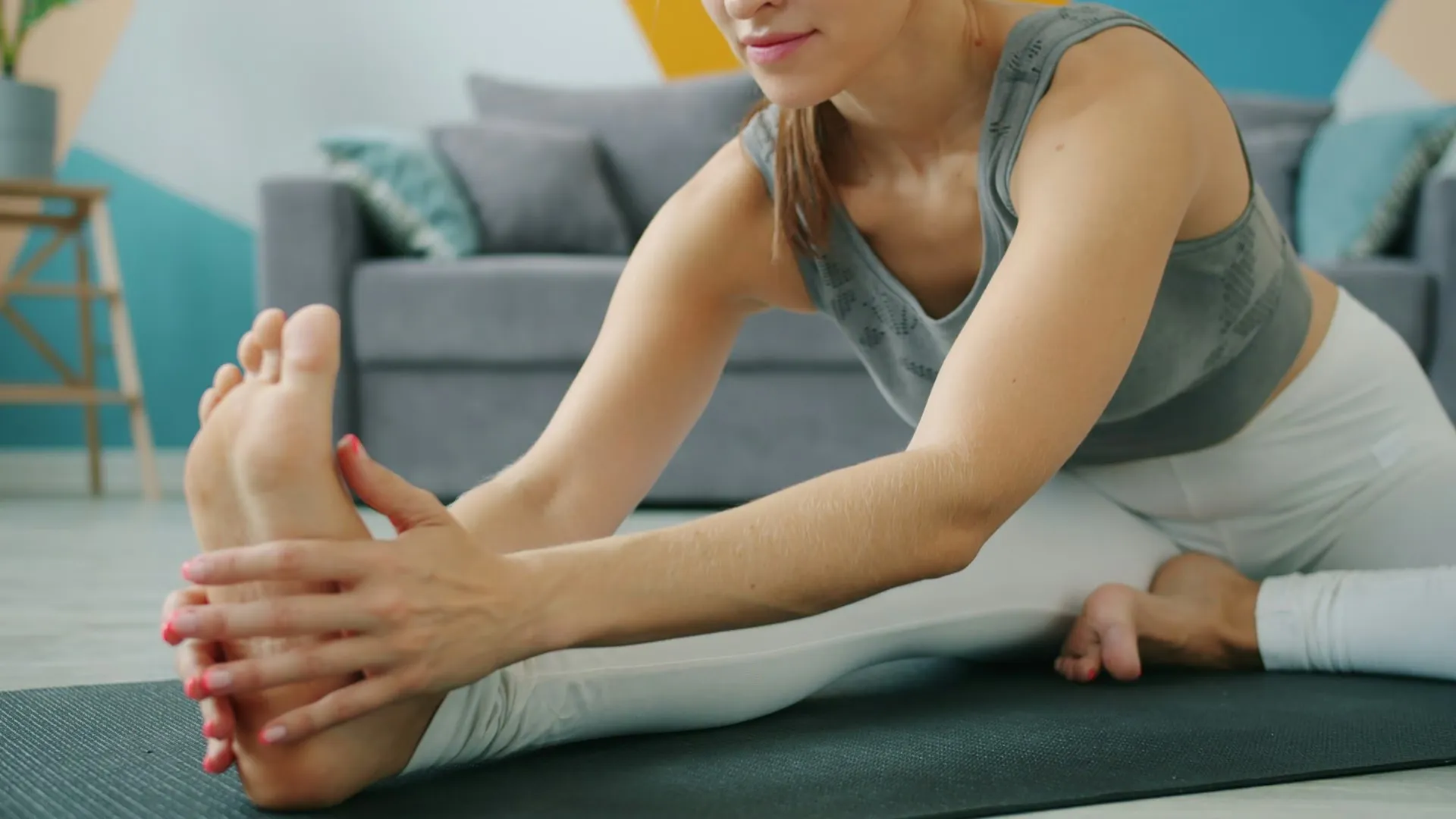
- Forward Fold: While seated, extend one leg and gently lean the torso forward from the hips. Avoid forcing the movement to reach the toes.
- Seated Torso Twist: Sitting upright, use a chair for support and gently rotate the torso to one side, then repeat on the other side.
- Gentle Cobra Pose: Lying face down, slowly lift the upper body while ensuring there is no excessive pressure on the lower back.
- Neck Circles: Perform slow, controlled movements of the head from side to side. Avoid sudden rotations or applying heavy pressure.
The golden rule of stretching is to remain gentle and controlled. You should never push into a position that causes pain. If you are dealing with an existing injury, chronic pain, or a long-term medical condition, consult a healthcare professional before beginning a new stretching regimen.
Frequently asked questions
How often should I stretch to see benefits?
Stretching can be integrated as a daily ritual or performed two to three times per week. For those with sedentary jobs, even a few minutes of movement throughout the day can significantly improve muscle tension and overall physical comfort.
Can stretching help with stress relief?
Yes, stretching can aid relaxation by activating the parasympathetic nervous system. Combining gentle movements with slow, deep breathing helps the body transition into a more relaxed state, making it an effective tool for managing daily stress.
Is it better to stretch before or after a workout?
It is generally better to use dynamic stretching during your warm-up to prepare the body. Static stretching, which involves holding a pose, is most effective after a workout to help muscles relax and recover.
Will stretching improve my posture?
Stretching can improve posture by reducing muscle tension that pulls the body out of alignment. For the best results, combine stretching with core-strengthening exercises to support better long-term body alignment.
Should I feel pain when stretching?
No, you should never feel pain during a stretch. Stretching should be a gentle, controlled sensation of tension. If a movement causes sharp or intense pain, stop immediately and consult a medical professional if necessary.
Key takeaways
- Pandiculation is a natural, involuntary movement that helps reduce muscle tension after inactivity.
- Stretching increases blood flow to muscles and activates the parasympathetic nervous system for relaxation.
- Dynamic stretching is ideal for warm-ups, while static stretching is best suited for post-workout recovery.
- Regular stretching helps maintain joint range of motion and can counteract the effects of aging.
- Combining stretching with core exercises is an effective way to improve body posture and alignment.
Conclusion
Stretching is a fundamental practice that offers much more than mere flexibility. By addressing muscle tension, enhancing circulation, and supporting neurological relaxation, it serves as a vital tool for both physical and mental well-being. Whether through the natural impulse of pandiculation or a disciplined routine of static and dynamic stretches, consistent movement helps mitigate the negative impacts of a sedentary lifestyle. By integrating these simple practices into your daily life, you can preserve your mobility, improve your athletic performance, and maintain a healthier, more aligned posture for years to come.







