
What is the nutritional profile of broccoli?
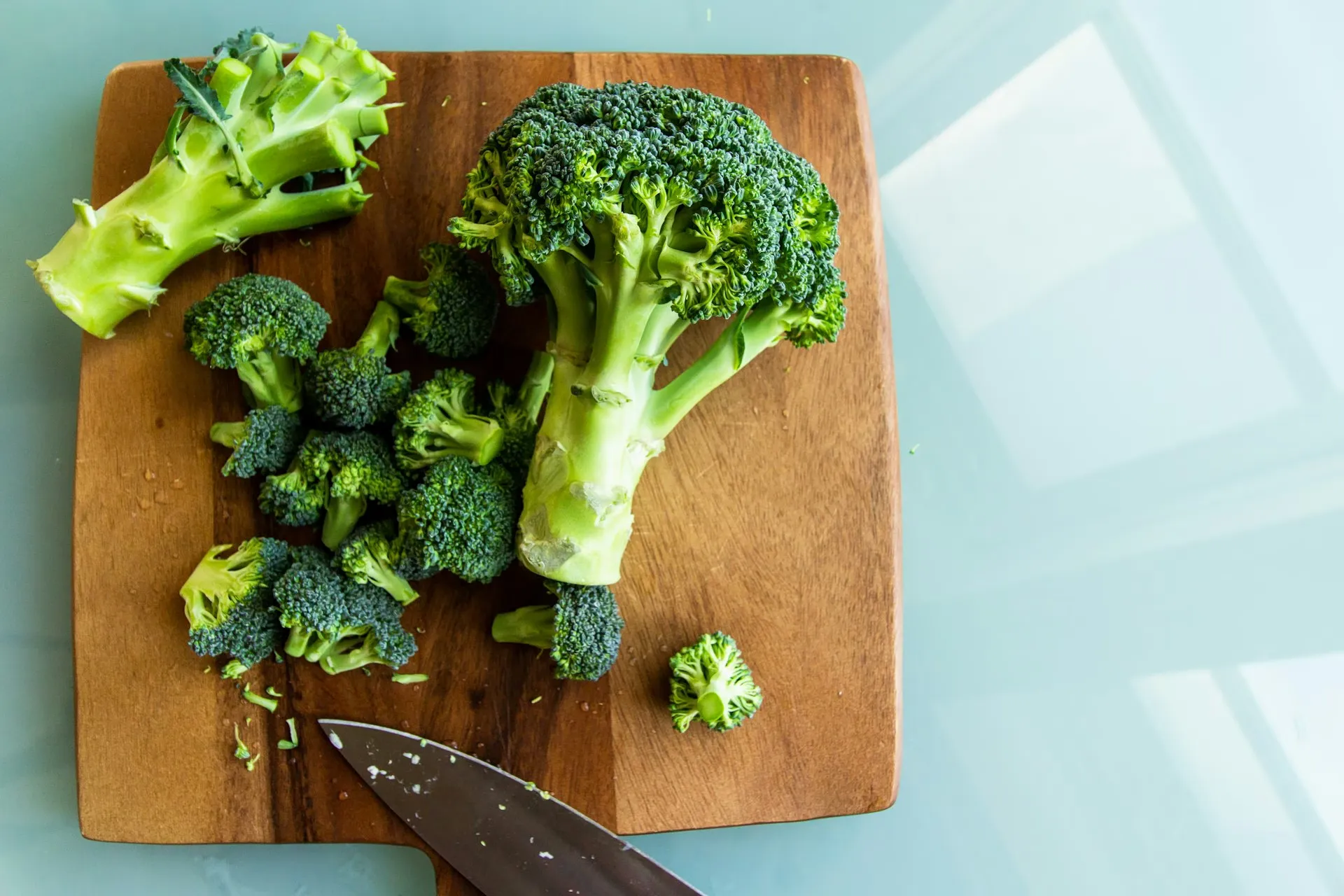
Broccoli is characterized by an exceptionally high nutritional density that makes it a cornerstone of healthy eating. It is particularly notable for providing significant amounts of vitamin C and vitamin K, which are vital for immune function and blood clotting, respectively. Beyond these, the vegetable offers a complex matrix of micronutrients including vitamin A, folate, potassium, phosphorus, and selenium.
The presence of dietary fiber is another defining feature of broccoli. Fiber plays a critical role in digestive health and helps regulate blood sugar levels and satiety. Because of this diverse nutrient composition, broccoli is classified as a nutrient-dense food, meaning it provides a high amount of vitamins and minerals relative to its calorie count.
Key micronutrients at a glance
While the specific amounts can vary based on soil quality and growing conditions, the presence of these elements is consistent in high-quality broccoli:
- Vitamin C: Essential for collagen synthesis and immune defense.
- Vitamin K: Crucial for bone metabolism and cardiovascular health.
- Folate: Important for DNA synthesis and cell division.
- Selenium: A trace mineral that acts as a potent antioxidant.
How does broccoli support the immune system?
Broccoli acts as a powerful boost for the immune system due to its high concentration of antioxidant compounds. As a member of the cruciferous vegetable family, it contains specific bioactive molecules such as sulforaphane and indole. These compounds are instrumental in protecting cells from oxidative stress, a process that can damage cellular structures and weaken biological defenses.
Oxidative stress occurs when there is an imbalance between free radicals and antioxidants in the body. By providing a steady supply of antioxidants, broccoli helps neutralize these free radicals. This support of the body's natural defense mechanisms is essential for maintaining long-term resilience against various physiological stressors.
What are the broccoli benefits for heart health?
The heart benefits significantly from a diet rich in cruciferous vegetables like broccoli. The vegetable contains a combination of antioxidants and carotenoids that work together to protect the vascular system. These nutrients help mitigate the damage to blood vessels that can lead to cardiovascular complications.
Maintaining healthy blood vessels is a primary component of cardiovascular wellness. The carotenoids found in broccoli contribute to reducing inflammation and oxidative damage within the endothelial lining of the arteries. While no single food can replace a comprehensive heart-healthy lifestyle, the regular consumption of broccoli provides a functional nutritional advantage for long-term vascular maintenance.
Can broccoli influence mood and metabolism?
Broccoli contains chromium, a trace mineral that plays a vital role in several bodily functions, including metabolic regulation. Chromium is involved in the body's ability to manage insulin and process carbohydrates, which can have indirect implications for energy levels and cognitive stability.
A balanced diet rich in vegetables supports the brain and the neurotransmitters responsible for mood regulation. While the link between chromium and mood is complex, the broader context of a nutrient-dense diet is well-established as a foundation for mental well-being. By supporting metabolic efficiency, broccoli helps ensure the body has a stable foundation for both physical and psychological health.
How does broccoli assist in liver and joint health?
The liver and joints both benefit from the specific anti-inflammatory properties found in broccoli. For the liver, the compound indole is particularly noteworthy. Indole is associated with supporting the liver's natural detoxification processes and providing antioxidant protection to hepatic tissues.
Regarding joint health, research has focused on sulforaphane for its potential anti-inflammatory effects. Chronic inflammation is a known driver of joint issues, including osteoarthritis. While broccoli is not a medical treatment for these conditions, its inclusion in an anti-inflammatory dietary pattern can be a supportive measure for maintaining mobility and reducing systemic inflammation.
The role of sulforaphane in inflammation
Sulforaphane is one of the most studied compounds in cruciferous vegetables. It is believed to trigger cellular defense mechanisms that help suppress inflammatory pathways. For individuals focusing on joint longevity, integrating foods high in sulforaphane can be a proactive dietary strategy.
Why is broccoli important for bone strength?
Broccoli contributes to a strong skeletal foundation through its combination of vitamin K and calcium. These two nutrients are fundamental to the maintenance of bone structure and the regulation of bone density. Vitamin K, in particular, is necessary for the activation of proteins that bind calcium to the bone matrix.
Maintaining bone density is essential for preventing fractures and age-related bone loss. When combined with regular physical activity and a balanced intake of other minerals, the nutrients in broccoli serve as a vital component of a comprehensive bone-health strategy. This makes it an excellent dietary choice for both growing children and aging adults.
What is the best way to cook broccoli?
To maximize the nutritional benefits of broccoli, cooking methods should focus on preserving its delicate micronutrients. Boiling broccoli for extended periods can cause water-soluble vitamins, such as vitamin C and folate, to leach into the water and be lost. Instead, steaming is widely considered one of the most effective methods for retaining the vegetable's nutritional integrity.
For those seeking better flavor profiles, roasting or sautéing can be highly effective. Preparing broccoli in the oven with a small amount of olive oil, salt, and pepper can enhance its natural taste. Adding a touch of acidity, such as a few drops of lemon juice or balsamic vinegar, can elevate the dish without compromising its health benefits. This demonstrates that nutritious eating can be both flavorful and varied.
Comparison of cooking methods
| Method | Nutrient Retention | Flavor Profile |
|---|---|---|
| Steaming | High | Mild and fresh |
| Boiling | Low | Soft and watery |
| Roasting | Moderate | Rich and savory |
| Sautéing | Moderate | Light and crisp |
Frequently asked questions
How much broccoli should be eaten daily?
There is no single universal amount, but incorporating a serving of cruciferous vegetables like broccoli into at least one meal a day is a healthy practice. A standard serving is typically around one cup of cooked broccoli, providing a significant portion of your daily vitamin and fiber needs.
Can eating too much broccoli be harmful?
For most people, eating broccoli is safe and highly beneficial. However, due to its high fiber content, consuming extremely large quantities suddenly can lead to digestive discomfort or bloating. It is best to integrate it gradually into your diet to allow your digestive system to adjust.
Does cooking broccoli destroy all its nutrients?
Cooking does affect nutrient levels, but it does not destroy them all. While heat can reduce vitamin C levels, methods like steaming preserve most of the beneficial compounds. In some cases, light cooking can actually make certain nutrients more bioavailable for your body to absorb.
Is frozen broccoli as healthy as fresh?
Yes, frozen broccoli is often just as nutritious as fresh broccoli. Most frozen vegetables are flash-frozen at the peak of ripeness, which locks in their vitamins and minerals. Frozen options are a convenient and cost-effective way to maintain a nutrient-dense diet throughout the year.
What is the main health benefit of sulforaphane?
Sulforaphane is primarily known for its potent antioxidant and anti-inflammatory properties. It helps protect cells from oxidative damage and may assist in reducing inflammation throughout the body, which is particularly beneficial for cardiovascular and joint health.
Key takeaways
- Broccoli is a dense source of vitamins C, K, A, and folate.
- Sulforaphane and indole provide significant antioxidant and anti-inflammatory support.
- The vegetable supports bone health through vitamin K and calcium content.
- Steaming is the optimal cooking method to preserve nutritional value.
Conclusion
Broccoli stands out as a nutritional powerhouse, offering a wide array of benefits that extend from immune support to bone and heart health. Its unique combination of bioactive compounds like sulforaphane and essential micronutrients makes it more than just a simple vegetable; it is a functional food capable of supporting various physiological systems. By employing gentle cooking methods such as steaming and incorporating it into a diverse, balanced diet, you can maximize its health potential. Ultimately, making broccoli a regular part of your culinary routine is a simple yet effective strategy for long-term wellness.







