
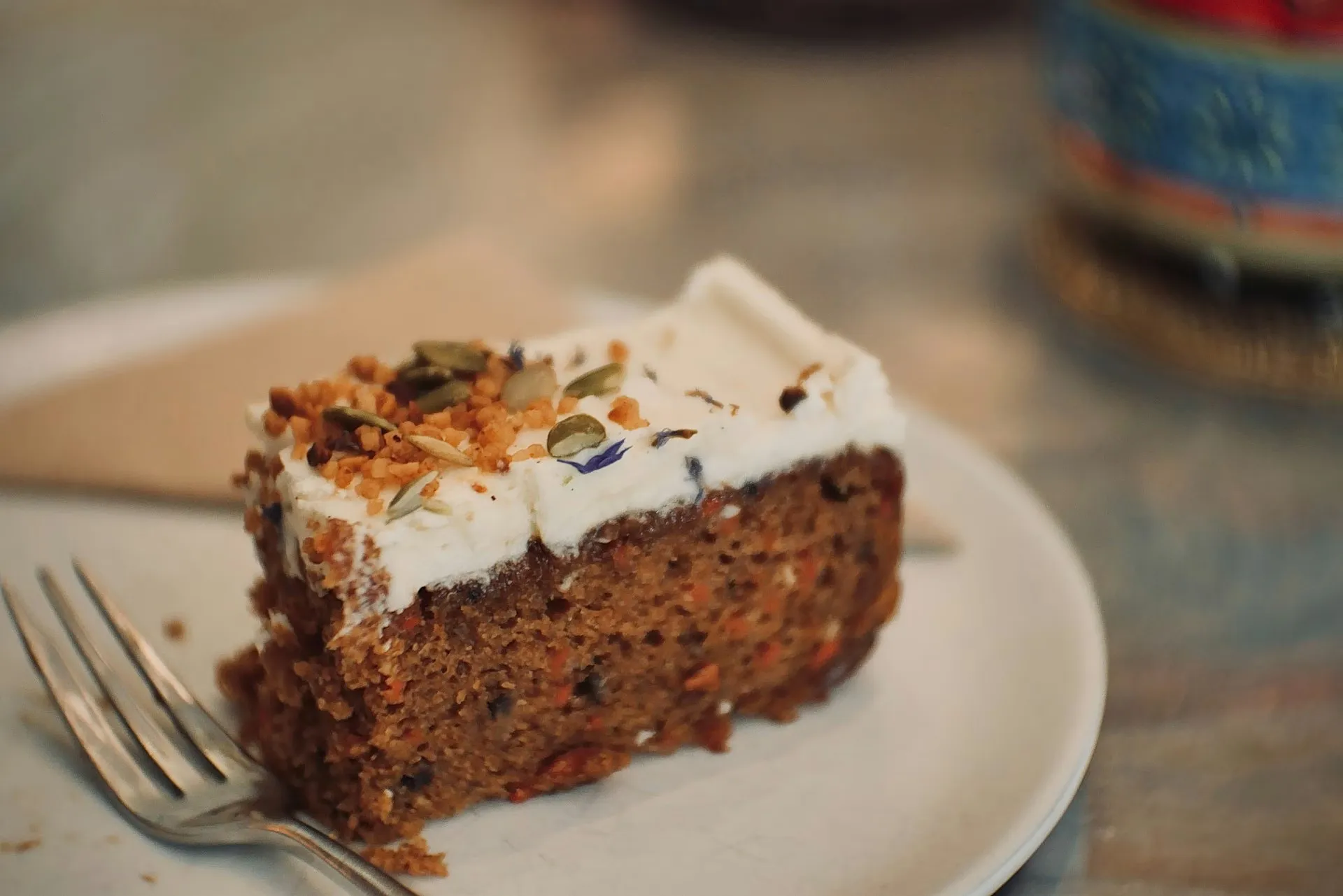
What makes the carrot and pumpkin cake recipe unique?
The integration of both carrot and pumpkin puree provides a multi-layered moisture profile that distinguishes this cake from standard spice cakes. While traditional carrot cakes rely on the texture of the vegetable, the addition of pumpkin puree creates a denser, more velvety crumb that holds the warming spices more effectively.
The flavor profile is driven by a specific spice blend including cinnamon, ginger, and nutmeg. These elements work in synergy with the natural sugars found in the brown and white sugars used in the batter. To achieve the best results, the recipe utilizes a combination of leavening agents—baking soda and baking powder—to ensure the cake remains light despite the heavy moisture content of the vegetables.
The role of acidity in texture
A critical component of this recipe is the use of apple cider vinegar mixed with milk. This creates a makeshift buttermilk, which reacts with the baking soda to produce carbon dioxide bubbles. This chemical reaction is essential for lifting the heavy pumpkin and carrot mixture, ensuring the final cake is airy rather than gummy.
What ingredients are required for the cake and frosting?
Preparation requires a specific list of pantry staples and fresh components to ensure the desired flavor and structural integrity. The ingredients are divided into the cake base and the decorative cream cheese topping.
Cake Base Ingredients
For the batter, you will need the following measurements:
- 1¼ cups all-purpose flour
- 1 tsp baking soda
- ½ tsp baking powder
- 1 tsp cinnamon
- ¼ tsp ground ginger
- ¼ tsp nutmeg
- ⅓ cup milk
- 1 tsp apple cider vinegar
- ½ cup pumpkin puree
- ¼ cup olive oil
- ¼ cup white sugar
- ⅓ cup packed brown sugar
- ¼ cup chopped walnuts
- A pinch of salt
- Freshly grated carrots (quantity to taste, typically matching the volume of the puree)
Cream Cheese Frosting Ingredients
The topping is designed to balance the spice of the cake with a tangy, sweet finish:
- ½ cup cream cheese
- 3 tbsp butter
- 1 tsp vanilla extract
- 1 cup powdered sugar
How do you prepare and bake the cake step-by-step?
Success in autumn baking depends on following a precise sequence of mixing wet and dry ingredients to prevent overworking the gluten. The process begins with preheating the oven to 176°C (350°F) and preparing a 23 cm (approximately 9-inch) round cake pan with oil.
The preparation follows a structured four-stage method:
- Dry Ingredient Preparation: In a large bowl, whisk together the flour, baking soda, baking powder, cinnamon, ginger, nutmeg, and salt. This ensures the leavening agents and spices are evenly distributed throughout the flour.
- Wet Ingredient Emulsification: In a separate bowl, combine the milk and apple cider vinegar. Once combined, whisk in the pumpkin puree, olive oil, white sugar, and brown sugar. Mixing these thoroughly ensures a homogenous base before the dry ingredients are introduced.
- The Folding Process: Gently pour the wet mixture into the bowl containing the dry ingredients. Stir carefully until just combined to avoid a tough texture. Once incorporated, fold in the grated carrots and chopped walnuts.
- Baking: Pour the batter into the prepared pan. Bake for 35 to 40 minutes. The cake is ready when the surface is stable and a toothpick inserted into the center comes out clean.
Ensuring the perfect crumb
It is vital to allow the cake to cool completely before attempting to frost it. Applying cream cheese frosting to a warm cake will cause the fats in the butter and cheese to melt, resulting in a runny topping that lacks the necessary structure for decoration.
How is the cream cheese frosting prepared and applied?
The frosting is a stabilized cream that requires chilling to achieve the perfect spreading consistency. Using a hand mixer is recommended to achieve a smooth, aerated texture that contrasts with the dense cake.
Begin by beating the cream cheese and butter together until the mixture is completely smooth and free of lumps. Once the base is creamy, add the vanilla extract and the powdered sugar. Continue mixing until the frosting is thick, homogenous, and easy to spread. For the best results, place the prepared frosting in the refrigerator for 30 minutes before application. This chilling period allows the fats to firm up, making it much easier to cover the surface of the cooled cake evenly.
Frequently asked questions
Can I substitute the olive oil for another fat?
Yes, you can substitute the olive oil with a neutral vegetable oil or melted coconut oil. While olive oil provides a subtle fruity note, a neutral oil will allow the spices and pumpkin flavors to remain the primary focus of the dessert.
How do I know if my cake is fully cooked?
The most reliable method is the toothpick test. Insert a wooden toothpick into the center of the cake; if it comes out clean or with just a few moist crumbs, the cake is done. If wet batter clings to the toothpick, continue baking.
Why should I use brown sugar instead of just white sugar?
Brown sugar contains molasses, which adds moisture and a deeper, caramel-like flavor to the cake. Using a combination of white and brown sugar provides both the necessary sweetness and the complex textural qualities required for autumn baking.
Can I make this recipe gluten-free?
You can replace the all-purpose flour with a high-quality gluten-free baking blend. However, because this recipe relies on specific leavening reactions, you may need to adjust the liquid content slightly to maintain the desired moistness.
What is the best way to store this cake?
Due to the cream cheese frosting and the moisture from the vegetables, this cake should be stored in an airtight container in the refrigerator. It will remain fresh and delicious for several days when kept chilled.
Key takeaways
- Combine pumpkin puree and grated carrots for a moist, autumnal texture.
- Use apple cider vinegar and milk to create a homemade buttermilk for lift.
- Bake at 176°C for 35 to 40 minutes in a 23 cm pan.
- Chill the cream cheese frosting for 30 minutes before spreading on the cake.
Conclusion
The carrot and pumpkin cake recipe offers a sophisticated take on seasonal desserts, merging the earthy tones of root vegetables with the warmth of classic spices. By following the structured mixing method and ensuring the cake is completely cooled before frosting, bakers can achieve a professional-grade result. This dessert is not only a celebration of autumn flavors but also a versatile treat that benefits from the careful balance of acidity, fat, and sugar. Whether served at a casual gathering or as a cozy home treat, it embodies the essence of the season.







