
What is the core mission of the Code Like a Girl program?
The primary objective of the Code Like a Girl initiative is to provide young women with early exposure to the world of programming and to open new professional pathways within STEM (Science, Technology, Engineering, and Mathematics) fields. For a decade, the program has worked to dismantle the barriers that often prevent girls from pursuing technical careers, ensuring they have the opportunity to explore these vital sectors.
By offering hands-on experience, the program seeks to transform technology from something girls merely consume into something they can actively create and control. This decade-long effort has already impacted a significant number of participants, with more than 450 girls having completed the program to date. The goal is not just technical proficiency but the cultivation of a mindset capable of tackling the complex challenges of the modern workforce, fostering a sense of agency in a digital-first world.
Fostering a STEM-ready mindset
The program emphasizes that technical skill is only one part of the equation. Participants are encouraged to develop soft skills that are critical in professional environments, such as collaborative problem-solving, creative thinking, and teamwork. These are not merely supplementary skills; they are considered essential for the future of work and professional development.
By working in groups to turn abstract ideas into functional digital projects, these young women develop the resilience and adaptability required in the rapidly evolving tech sector. The curriculum is designed to bridge the gap between theoretical knowledge and the practical realities of professional collaboration, preparing them for the multi-faceted demands of modern careers.
How did the 10th edition of the program function?
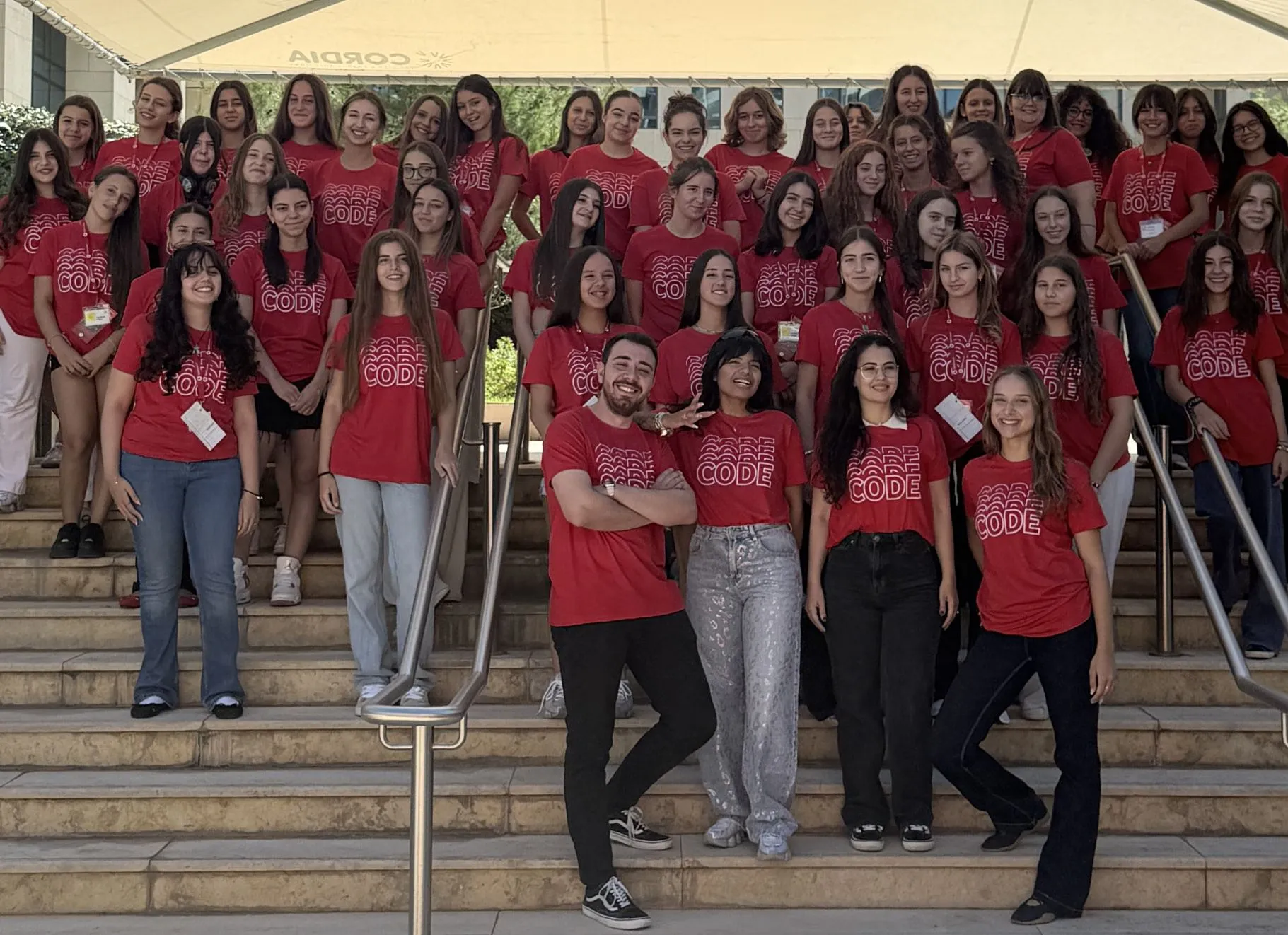
During the first week of September 2026, the program took place at the Vodafone headquarters, where participants engaged in an intensive learning experience. Under the mentorship of Vodafone Technology professionals, the girls moved from theoretical concepts to practical application, eventually designing and launching their own websites from scratch.
The curriculum was structured to introduce fundamental programming languages and core computational concepts. This practical approach allowed most participants to experience coding for the very first time in a real-world setting. This transition from consumer to creator is a central theme of the workshop, providing a tangible sense of achievement as they witnessed their ideas come to life through code. The hands-on nature of the workshops ensured that the learning was grounded in immediate, visible results.
Why is digital wellbeing now a central component of tech education?
Modern digital education has evolved beyond simple tool usage to include the critical ability to evaluate online content and manage digital presence. This year, the program integrated workshops on digital wellbeing, focusing on the intersection of technology and personal safety, as part of the "Digital Skills and Inclusion" strategic pillar of the Vodafone Foundation.
As the digital environment becomes increasingly complex, the ability to distinguish between authentic information and AI-generated content has become a vital survival skill. The workshops addressed two critical areas of concern for the current generation of teenagers:
- Data Privacy and Oversharing: Teaching participants how to protect their personal information and manage their digital footprint on social media platforms to avoid the risks of oversharing.
- AI and Misinformation: Exploring how artificial intelligence can be used to create deceptive content, such as images, videos, and text, and how to identify such misinformation in an era where content is produced and spread faster than ever.
By addressing these topics, the program ensures that participants are not only capable of building technology but are also equipped with the critical thinking necessary to navigate the risks associated with it, making informed decisions about what they trust and share online.
What were the tangible outcomes of the 2026 workshops?
The program concluded with a showcase of 10 unique websites developed by the participating teams, representing the culmination of their technical and creative efforts. These projects served as a practical demonstration of the skills acquired throughout the week, ranging from coding logic to user interface design. Each website stood as a testament to the participants' ability to translate a concept into a digital reality.
To encourage continued engagement with technology, the program included competitive elements. The winning team was awarded laptops to support their ongoing educational journeys, while the runners-up received exclusive offers from Vodafone retail stores. These rewards serve to validate the hard work of the participants and reinforce the value of their new skills, providing them with the tools to continue exploring the digital landscape.
The impact of mentorship in technical training
A key factor in the success of the program is the direct involvement of industry professionals. By having Vodafone Technology executives act as mentors, the girls received more than just technical instruction; they received professional guidance and role models. This mentorship helps demystify the tech industry and provides a clearer vision of what a career in technology can look like for young women.
These mentors provide a bridge between the classroom and the workplace, offering insights that go beyond what can be learned from a textbook. This interaction allows participants to see the real-world application of their new skills and builds the confidence necessary to pursue high-level roles in the future.
Key takeaways
- The Code Like a Girl program has reached over 450 girls over its ten-year history.
- The 2026 edition trained more than 50 participants aged between 14 and 18.
- The curriculum focuses on both technical coding skills and digital wellbeing, including AI literacy and data protection.
- Participants developed 10 original websites through collaborative, mentor-led workshops.
Frequently asked questions
What age group is Code Like a Girl intended for?
The most recent cycle of the program targeted girls between the ages of 14 and 18. This age range is considered a critical period for developing interest in STEM subjects and establishing foundational digital skills before entering higher education or the professional workforce.
Does the program only teach programming?
No, the program adopts a dual approach. While coding and website creation are central, the curriculum also includes essential training in digital wellbeing, such as data protection, managing social media presence, and identifying misinformation generated by artificial intelligence.
How many girls have participated in this initiative so far?
Since its inception ten years ago, the Code Like a Girl program has provided training and mentorship to more than 450 girls, helping to build a growing community of female talent in the technology sector.
What role do professionals play in the workshops?
Technology professionals from Vodafone serve as mentors throughout the program. They provide hands-on guidance, share industry insights, and help participants navigate the complexities of coding, ensuring the learning experience is grounded in real-world professional standards.
What happens at the end of the program?
The program concludes with a presentation of the digital projects created by the participants. In the 2026 edition, teams presented 10 websites, with winners receiving laptops to further support their technical development and interest in the field.
Conclusion
The Code Like a Girl initiative represents a necessary evolution in STEM education, moving beyond technical instruction to address the complexities of the modern digital era. By combining coding skills with critical digital literacy and wellbeing, the program empowers young women to be more than just users of technology—it prepares them to be its architects. As AI and digital misinformation continue to reshape society, the ability to navigate these tools with confidence and critical thought will be essential. Through mentorship and practical application, the program continues to build a foundation for a more inclusive and technologically literate future.







