
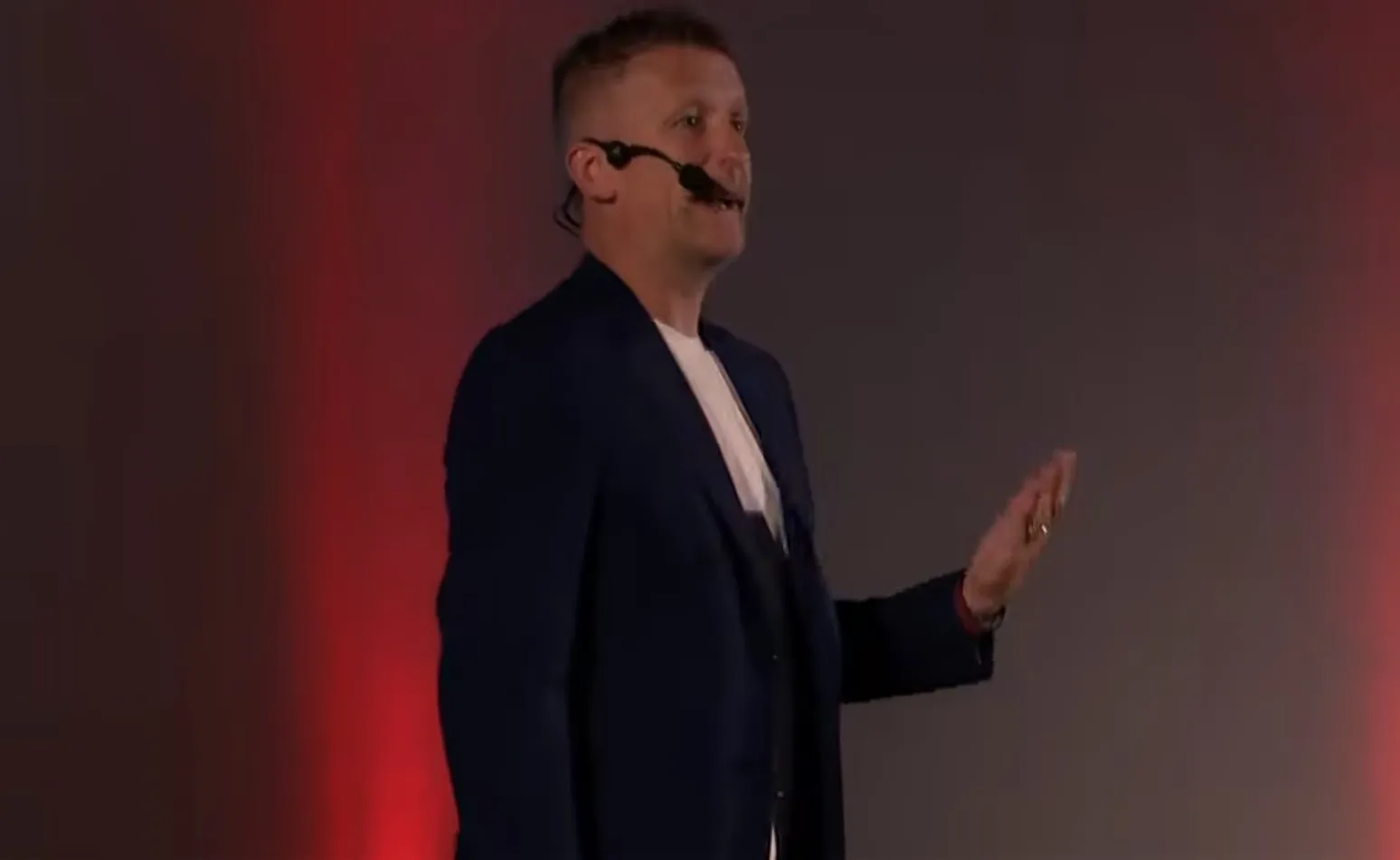
Why did Daniele Orsato admit to refereeing errors in Serie A?
Daniele Orsato attributed the recent officiating failures to human error and technical lapses rather than systemic flaws. The head of Italian officiating acknowledged that the quality of refereeing has been compromised by specific mistakes made during the opening stages of the 2026 season. According to Orsato, these errors were not entirely unexpected given the high intensity of modern football, but the nature of the mistakes was disappointing.
During a recent press briefing, Orsato identified three primary causes for the recent officiating shortcomings. He stated that the errors stemmed from "negligence, incorrect positioning, or flawed perceptions." This level of transparency is considered unusual in professional football. For comparison, the article notes that in Greece, officials like Lanua have historically dismissed criticism to protect public relations, whereas Orsato has chosen to face the errors head-on.
By categorizing these as issues of positioning and perception, Orsato is attempting to frame them as improvable technical errors rather than a fundamental lack of ability within the refereeing pool. He expressed hope that through increased work and effort, these errors will not be repeated in future matches.
The human element in high-speed officiating
Orsato noted that the speed of the contemporary game creates significant "side effects" for officials. While he anticipated some level of error due to the pace of play, he expressed disappointment regarding the specific types of mistakes that occurred. The intensity of the game demands rapid decision-making, which can lead to the very lapses in perception he described.
He acknowledged that the league has suffered because of these mistakes, stating, "We could have performed better." This admission highlights the tension between the physical demands placed on referees and the expectation of near-perfect accuracy. Orsato emphasized that the goal is to work daily to harmonize the officiating with the speed of play, ensuring that the officials can keep up with the evolving nature of the sport.
How does Orsato respond to the "Orsato Protocol" accusations?
Daniele Orsato has explicitly denied the existence of a personal "Orsato Protocol" regarding how matches are officiated. Critics in Italy have frequently accused him of implementing a private set of rules, particularly concerning the frequency of foul calls and the threshold for VAR intervention. Orsato maintains that there is no individualised line of officiating being applied to the league.
The chief official clarified that the current approach is designed to meet the demands of players and clubs, who seek a more fluid game. He explained that the goal is to harmonise officiating with the natural flow of football. This involves a specific balance: referees should avoid whistling for minor contact to keep the game moving, while VAR must remain strictly reserved for "clear and obvious errors."
Orsato argued that the current officiating philosophy is actually being met with positive responses from the players. He noted that despite the controversies, many players are responding in an "admirable manner" to the current interpretation of the rules. He believes that as the season progresses, the consistency sought by the clubs will improve through continuous daily work and internal coordination among the refereeing staff.
What measures is being taken to ensure refereeing impartiality?
To combat perceptions of bias, Orsato has confirmed a strict policy regarding the geographical assignment of referees. He maintains that a referee officiating a match involving a team from their own region creates an "external problem" that can undermine the perceived integrity of the competition.
His strategy involves preventing referees from officiating matches involving clubs from their home cities or provinces. Orsato stated that this is a firm position he intends to uphold throughout the entire season. By removing the possibility of local ties, the officiating body aims to eliminate even the appearance of conflict of interest, which is a recurring source of tension in Italian football circles. He views this as a necessary step to ensure that officiating decisions are not viewed through a regional lens.
What is the role of VAR and technology in Orsato's vision?
Daniele Orsato strongly defended the continued use of video technology, describing the idea of abandoning it as "madness." While the technology has been at the heart of recent controversies, Orsato views it as an essential tool for reducing the frequency of major errors. He believes that the ultimate goal should be to reach a point where VAR is used less frequently because on-field decisions are more accurate.
The officiating chief emphasized that technology serves as a safety net rather than a primary tool. The ideal scenario, according to Orsato, is one where officials make the correct decisions during live play, thereby minimizing the need for video review. However, he insists that the ability to correct "clear and obvious" mistakes remains vital for the fairness of the competition. He noted that the goal is to use technology less because of improved on-field accuracy, not because of a rejection of the tool itself.
Recent controversies driving the debate
The pressure on Orsato has been intensified by several high-profile incidents in recent weeks. For instance, Torino expressed significant frustration following a match against Bologna where a penalty was not awarded in a 1-1 draw. Additionally, the Inter Milan versus Roma fixture sparked intense debate regarding an unpunished incident involving Lautaro Martínez. These specific cases have fueled the public perception that the current application of the rules is inconsistent, forcing Orsato to address the league's performance directly.
FAQ: Daniele Orsato and Serie A refereeing
Why is Orsato being criticized for a "personal protocol"?
Critics accuse Orsato of implementing a unique set of rules that differs from standard procedures, specifically regarding how often fouls are called and when VAR intervenes. Orsato denies this, stating that he is simply trying to align officiating with the speed of the game and player expectations.
What did Orsato say about the recent refereeing mistakes?
Orsato admitted that the officiating has suffered due to errors. He specifically attributed these mistakes to negligence, incorrect positioning by officials, and flawed perceptions. He expressed hope that through increased work and effort, these errors will not be repeated in future matches.
How will Orsato prevent regional bias in referee assignments?
Orsato has implemented a policy where referees are not assigned to matches involving teams from their own home regions. He believes that local ties create "external problems" for the league's reputation and intends to maintain this practice for the duration of the season.
Does Orsato support the use of VAR in Serie A?
Yes, Orsato strongly supports the use of VAR, calling the idea of removing it "madness." He views technology as a necessary tool to correct clear and obvious errors, though he prefers a system where on-field decisions are so accurate that VAR is rarely needed.
What is the main goal for Serie A officiating this season?
The primary goal is to achieve uniformity in how fouls are called and how rules are applied. Orsato aims to ensure that referees from different regions and backgrounds apply the same standards, providing the consistency that players and clubs demand.
Key takeaways
- Daniele Orsato apologised for officiating errors caused by negligence and poor positioning.
- Orsato denied the existence of a personal "Orsato Protocol" for Serie A.
- A strict policy is in place to prevent referees from officiating local home-region teams.
- Technology and VAR are considered essential tools for correcting clear and obvious mistakes.
- The officiating goal is to achieve consistency and uniformity across all matches.
The future of Italian officiating standards
Daniele Orsato's decision to publicly acknowledge mistakes marks a significant shift in how Italian football manages officiating crises. By moving away from the defensive posture often seen in other European leagues, Orsato is attempting to rebuild trust through transparency. While the admission of negligence and poor positioning provides a clear diagnosis of current problems, the success of his strategy depends on whether these technical improvements translate into on-field consistency. The focus now shifts to whether the promised daily work and strict regional assignment policies can effectively mitigate the controversies that have recently dominated the Serie A landscape.







