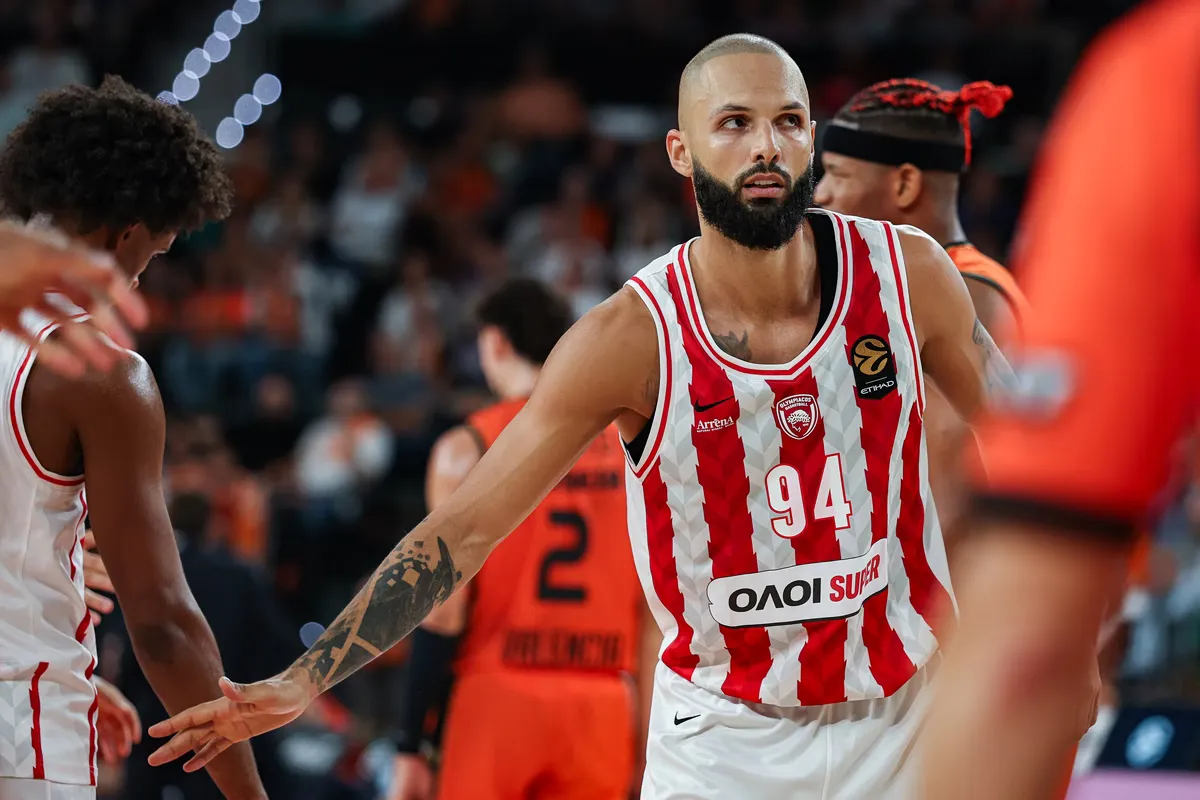
Blunt criticism of the first-half performance
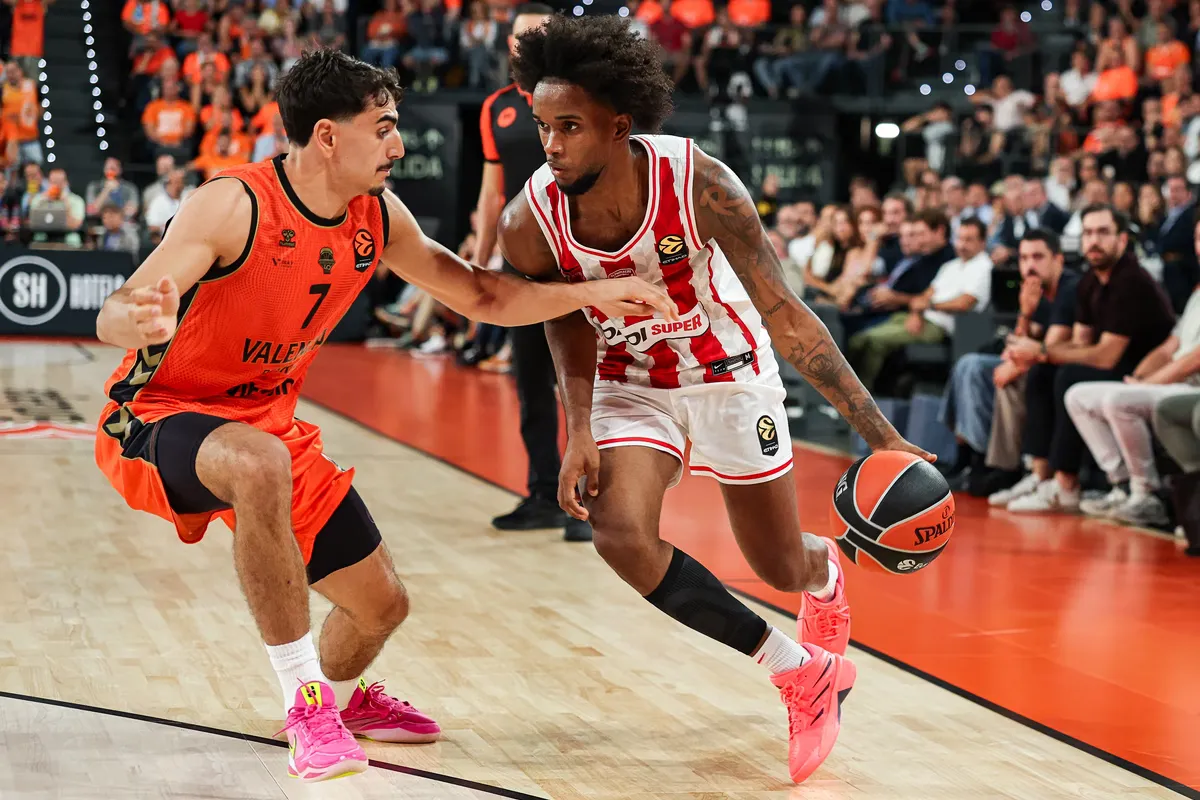
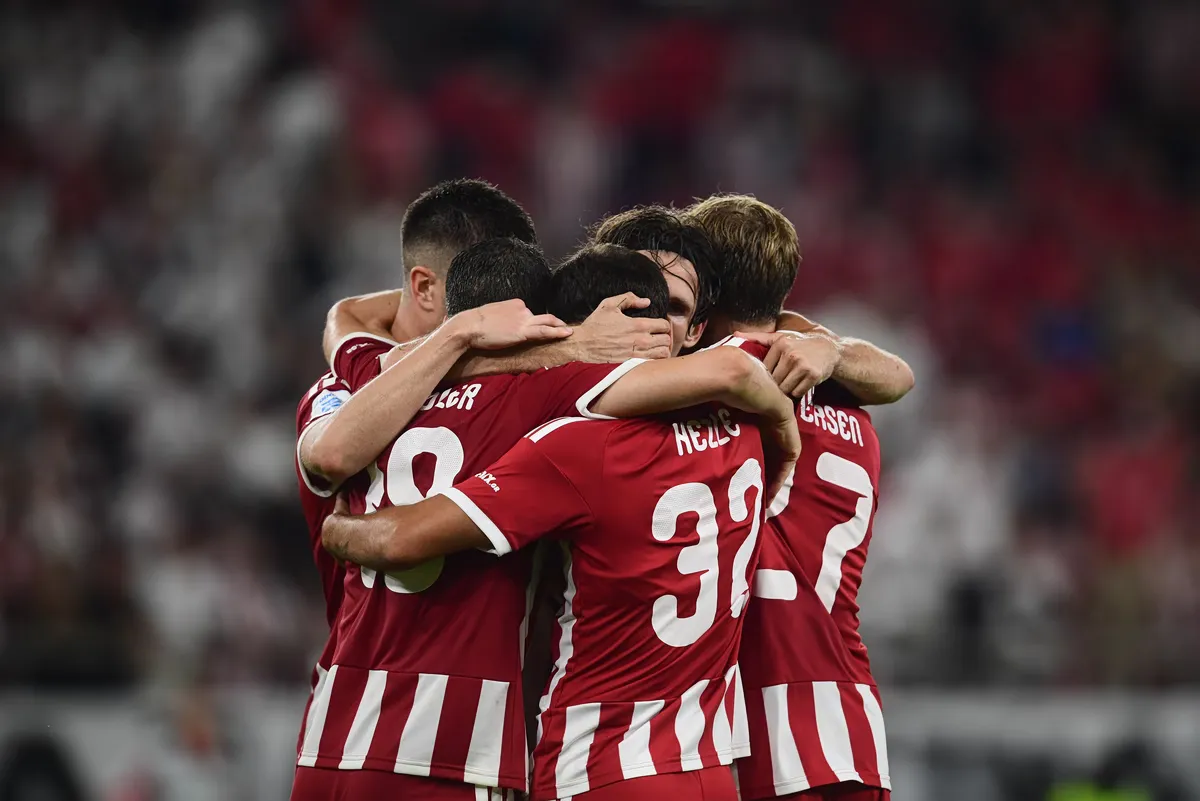
Evan Fournier did not mince words when describing the initial stages of Olympiacos' encounter with Valencia. The French guard used strong language to characterize the team's lack of cohesion and intensity during the first two quarters. According to the player's comments to EuroLeague TV, the opening half was a significant embarrassment that required immediate rectification.
Fournier emphasized that the team's mindset was unacceptable, particularly when facing an opponent that had entered the match with a 4-0 record. He suggested that regardless of their status as champions, the level of play exhibited in the first half fell far below the standards expected of a top-tier EuroLeague squad. The guard's frustration stemmed from a perceived lack of connection between players, which left the team vulnerable early on.
This critical self-assessment highlights the internal pressure within the squad to maintain high performance levels. Fournier's comments suggest that the gap between their potential and their actual execution during the start of the game was wide enough to jeopardize the entire match outcome.
The tactical shift during the second half
The turnaround in the second half was defined by a fundamental change in how the team approached possession and teamwork. Fournier noted that the squad moved away from individual scoring attempts and transitioned into a more collective, possession-based style of play. This shift allowed Olympiacos to regain control and systematically dismantle Valencia's advantage.
Key elements of this comeback included:
- Increased connectivity: Players began working in closer synchronization, improving passing lanes and defensive rotations.
- Possession management: The team prioritized securing and utilizing each possession rather than chasing quick, low-percentage shots.
- Selfless play: Fournier observed that the players began "playing for one another," which fostered a sense of unity that was missing in the first half.
By focusing on these collective fundamentals, the team was able to execute an "amazing comeback" that neutralized Valencia's momentum. This tactical discipline proved to be the deciding factor in securing the victory.
Long-term resilience and team evolution
Beyond the immediate result of the Valencia game, Fournier reflected on the broader journey of the Olympiacos roster over the past two years. He acknowledged that the organization has faced significant difficulties during this period, yet he believes these challenges have forged a unique bond within the group.
The guard suggested that the resilience shown during the comeback is indicative of a deeper strength within the team. According to Fournier, the struggles experienced since his arrival have helped create something lasting and special. He believes the ability to pivot from a "shameful" start to a dominant finish demonstrates a level of character that distinguishes this squad from others.
This perspective offers a more optimistic view of the team's trajectory. While the recent difficulties are evident, the capacity to overcome them through collective willpower serves as a testament to the team's maturity and their ability to handle the pressures of elite European basketball.
FAQ
What was Evan Fournier's reaction to the first half?
Evan Fournier was highly critical of the first half, describing it as a shameful performance. He expressed that the team's mindset and lack of connection were unacceptable, especially against a team with a 4-0 record, stating that they needed to play much better than they initially did.
How did Olympiacos manage the comeback against Valencia?
The comeback was driven by a shift toward collective play and better possession management. Fournier noted that instead of focusing on individual scoring, the team began playing for one another, emphasizing connectivity and fighting for every possession to turn the game around in the second half.
What did Fournier say about the team's recent history?
Fournier mentioned that the team has endured many difficulties over the last two years. However, he believes these challenges have helped build a special bond and a unique team identity that will endure, as evidenced by their ability to execute a major comeback under pressure.