
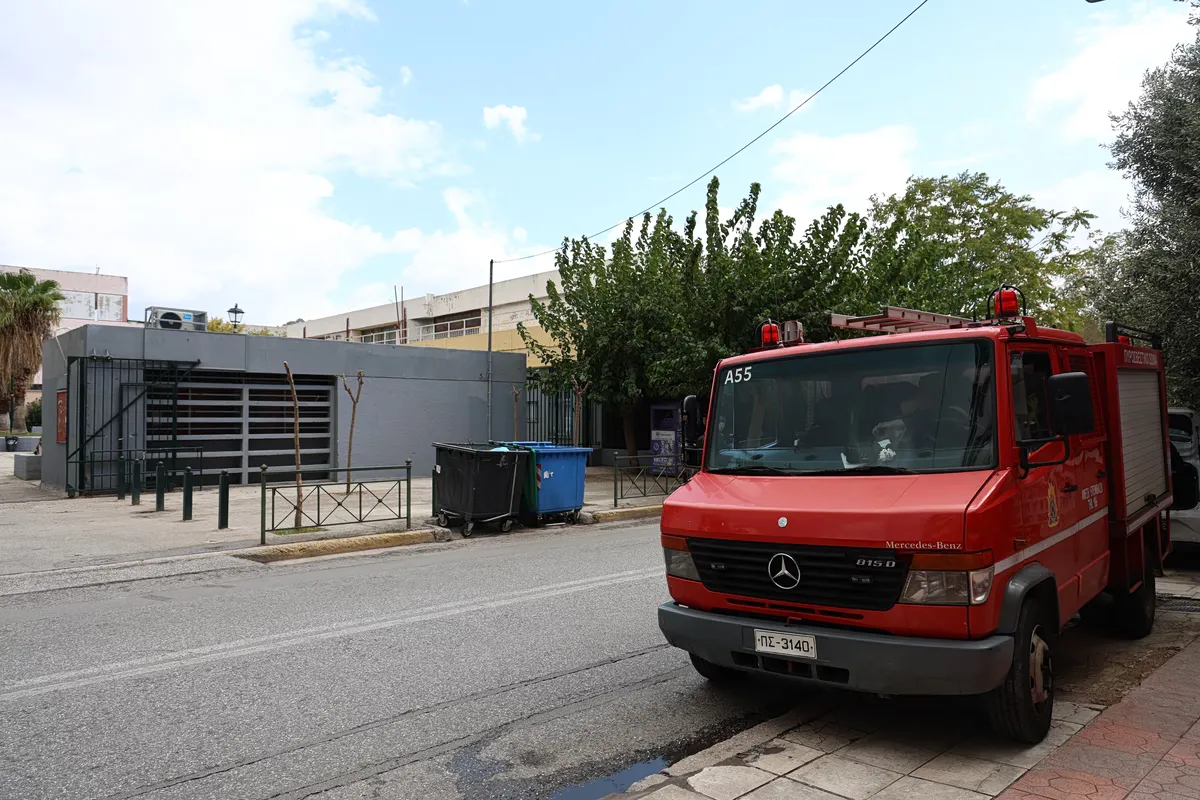
Why were the schools in Gravia suspended?
The suspension of operations at the Gravia school complex was triggered by the detection of strong gas odors reported by the local educational community. This safety concern has rendered the physical premises unsuitable for students and staff, necessitating an immediate halt to in-person activities. The decision was made to prevent potential hazards associated with gas leaks, which could pose significant risks to the health and safety of those on site.
As of October 9, 2026, the duration of this suspension remains unknown. This uncertainty creates significant logistical challenges for the affected families and the school administration. The transition from physical classrooms to digital environments is a reactive measure intended to mitigate immediate danger, but it does not address the underlying technical failures that led to the emergency. The lack of a clear timeline for reopening adds a layer of instability to the lives of the students and educators involved.
The impact on the student population
The suspension affects approximately 4,500 students who are now forced to transition to distance learning via videoconferencing. This sudden shift to remote education has several immediate consequences that extend beyond the classroom:
- Educational Disruption: The loss of face-to-face interaction can impact the quality of learning and student engagement, as digital environments often struggle to replicate the nuance of in-person instruction.
- Social Impact: The educational community has noted that the lack of physical presence diminishes the social cohesion essential for student development and the overall school experience.
- Family Logistics: Parents face significant challenges in reorganizing daily schedules to accommodate remote learning requirements, creating a burden on the household economy and family planning.
The scale of the impact—affecting thousands of individuals—underscores the gravity of the situation in Gravia, as the community is left to navigate a makeshift educational structure while waiting for a resolution to the gas safety issues.
How has the political response unfolded?
New Left has issued a sharp critique of the New Democracy government, characterizing the Gravia situation as a symptom of broader administrative failures. The party argues that the incident is a direct consequence of the Mitsotakis administration's policies, particularly regarding the privatization of public services and the perceived neglect of the state education system.
According to the statement released by New Left, the crisis highlights "pathologies" generated by the current government's approach to infrastructure management. The party contends that while the government often highlights school renovations through ceremonial ribbon-cutting events, the underlying reality is one of decaying and outdated school facilities. They argue that the reliance on private entities for essential inspections has created a vacuum of accountability.
The political tension centers on the gap between the government's public messaging regarding modernization and the practical reality experienced by citizens in regional areas like Gravia. For New Left, the suspension is not merely a technical issue but a political failure that endangers thousands of citizens. The party suggests that the government's focus on the appearance of progress masks a deeper systemic neglect of the public school's structural integrity.
What is the timeline of the gas odor complaints?
The complaints regarding gas odors in the Gravia school complex were first documented in mid-September 2026. Despite the early detection of the issue, the situation escalated into a full suspension of services weeks later, suggesting a significant delay in the response from both the educational ministry and the utility providers.
The delay is attributed to a perceived lack of coordination among various authorities. While teachers, parents, and students sought assistance from the relevant services shortly after the first reports, they encountered what New Left describes as a "passing of the buck" between different departments and agencies. This administrative inertia allowed a manageable concern to evolve into a crisis requiring school closures. The weeks between the initial reports in September and the eventual suspension in October represent a period of missed opportunities to intervene before the situation became untenable.
The role of private gas companies
A central point of contention in the Gravia case is the involvement of private sector contractors. New Left alleges that private companies responsible for inspecting and maintaining gas installations have been obstructive or negligent. Specifically, the party claims these companies have failed to conduct necessary inspections for 23 days following the initial reports.
This delay in service provision is being used as a primary example of the risks associated with the privatization of critical public infrastructure, where profit motives or administrative delays may supersede public safety concerns. The refusal or inability of these private entities to act promptly has left the educational community in a state of limbo, highlighting the friction between private service delivery and public necessity. The lack of immediate action by these companies is seen by critics as a direct failure of the current regulatory framework.
What are the demands for immediate action?
New Left has called for urgent intervention from the Ministry of Education and the central government to resolve the crisis. The primary demand is for the immediate coordination of all relevant services to ensure that thorough inspections are conducted and that any identified faults are repaired reliably and promptly.
The party emphasizes that the responsibility lies with the state to ensure that the public school system remains a safe environment. They argue that the government must move beyond symbolic gestures of renovation and instead focus on the structural integrity of existing schools. The goal is to restore normal operations for the 4,500 students as quickly as possible while implementing long-term safeguards to prevent similar occurrences in the future. This includes a call for more robust oversight of the private companies that manage essential school utilities.
Key takeaways
- The suspension of the Gravia school complex affects 4,500 students, forcing them into remote learning.
- Gas odor complaints were first reported in mid-September, but full suspension occurred much later.
- New Left blames the Mitsotakis government's privatization policies for the delay in inspections.
- Private gas companies have allegedly failed to perform necessary checks for 23 days.
- The crisis highlights concerns over outdated school infrastructure and administrative accountability.
Frequently asked questions
How many students are affected by the Gravia school closure?
Approximately 4,500 students attending the Gravia school complex are affected by the suspension. Due to the safety risks identified, these students must now participate in their lessons through videoconferencing and other remote learning methods until the facilities are deemed safe for re-entry.
Why was there a delay in addressing the gas odors?
The delay is attributed to a lack of coordination between the Ministry of Education and the private companies responsible for gas infrastructure. New Left claims that these private entities have been uncooperative, failing to conduct necessary inspections for 23 days after the initial complaints were made.
What is the political criticism regarding this incident?
New Left criticizes the Mitsotakis government for its privatization policies, arguing that they lead to a lack of accountability and neglect of public services. They suggest that the government focuses on superficial renovations while ignoring the dangerous state of many existing school infrastructures.
What are the primary risks identified in Gravia?
The primary risk is the presence of intense gas odors, which indicate potential leaks or malfunctions in the gas supply system. Such issues pose direct health and safety threats to students, teachers, and staff, necessitating the immediate suspension of in-person school activities.
What is the current status of the schools?
The schools are currently suspended for an indefinite period. While the transition to remote learning is in effect, the exact date for the return to physical classrooms depends on the successful completion of inspections and the reliable repair of any identified gas-related faults.
Conclusion
The suspension of schools in Gravia serves as a critical flashpoint in the debate over the management of Greece's public infrastructure. While the immediate cause is a technical failure involving gas installations, the resulting political fallout highlights deep-seated concerns regarding the privatization of essential services and the state's ability to protect its citizens. As 4,500 students navigate the challenges of remote learning, the pressure on the Mitsotakis administration to provide transparent, rapid, and effective solutions intensifies. The resolution of this crisis will likely be measured by the speed of repairs and the implementation of more robust oversight mechanisms for school safety.







