
What is the connection between Marikarmen Abascal and the Greek housing struggle?
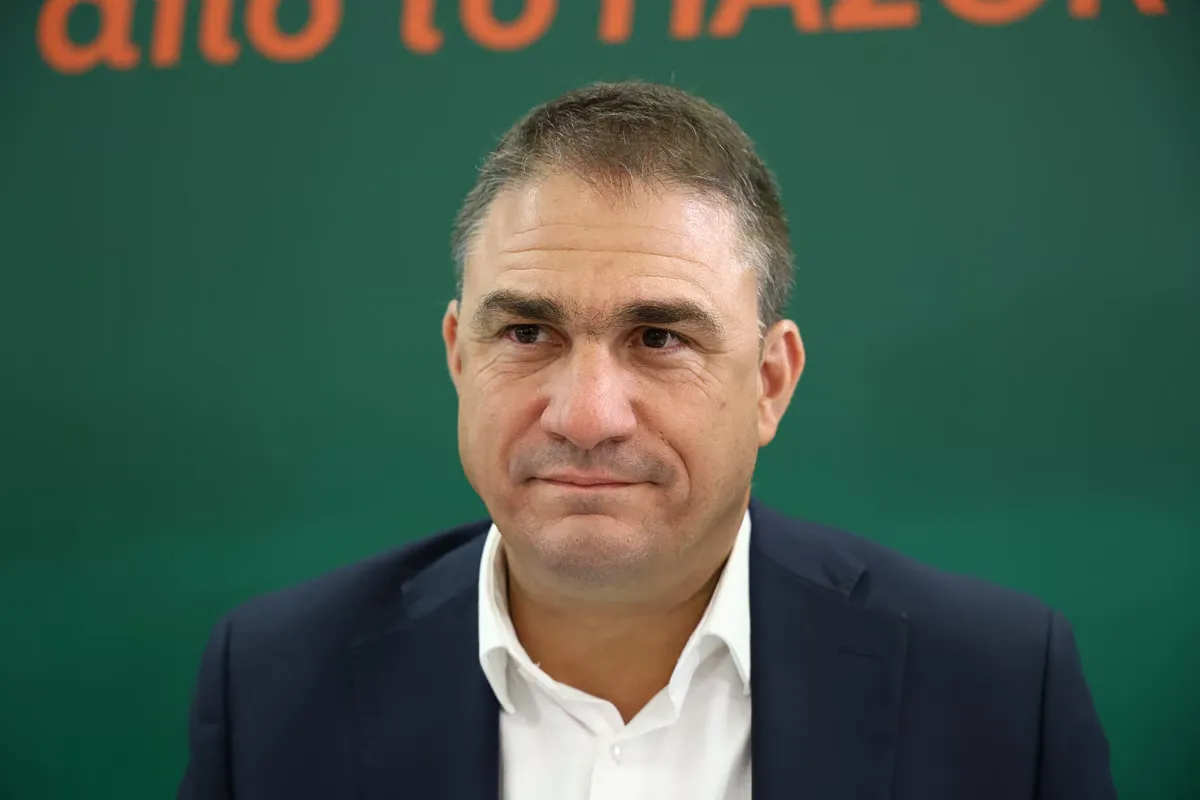
The death of Marikarmen Abascal, a Spanish activist who became a symbol for the right to housing, has served as a catalyst for intense political debate in Greece. According to PASOK spokesperson Kostas Tsoukalas, Abascal's struggle to transform housing from a privilege for the few into a fundamental human right resonates deeply with the current systemic issues destabilizing Greek households.
Tsoukalas emphasized that the fight for housing security is not merely a local concern but a global progressive duty. He suggested that the movement Abascal represented must not be allowed to fail, as the principles of her activism—defending the right to shelter against market forces—are directly applicable to the pressures currently facing the Greek population. The activist's passing has highlighted a shared international struggle against the commodification of essential living needs, a theme that Tsoukalas intends to carry into the political arena.
By invoking Abascal's name, the PASOK spokesperson is framing the Greek housing crisis as part of a broader, international fight for social justice. He argues that the principles she fought for are necessary to prevent the further marginalization of those unable to compete in an increasingly commodified real estate market.
How is the housing crisis affecting Greek citizens?
Thousands of individuals in Greece are currently experiencing high levels of acute anxiety regarding their residential security. Tsoukalas noted that many citizens live under the constant, looming threat of asset seizure, foreclosure, and forced eviction. These pressures are not seen as accidental by the opposition, but rather as the direct result of what they describe as government inaction and the removal of essential protective legal frameworks by the current administration.
The crisis is not limited to the mere availability of homes; it extends into the complex financial mechanisms that govern property ownership and tenancy. The redistribution of real estate wealth, driven by a significant increase in private debt, has created a precarious environment for many Greek families. This instability is compounded by several interconnected economic factors that strain the average household:
- The steady erosion of purchasing power among the general population.
- Inflated energy bills that place an unsustainable burden on household budgets.
- The rapid and continuous escalation of prices for basic essential goods.
The convergence of these factors has created what the political opposition describes as a "regime of asphyxiation." This term reflects a sentiment that the population is being economically squeezed from multiple sides, leaving them with little room to maneuver or save for the future.
What role will housing and debt play in the upcoming elections?
Housing, private debt, and the cost of living are expected to be the defining and most contentious themes of the next national elections in Greece. The political landscape is increasingly polarized around these economic realities, with voters facing a choice between maintaining the current trajectory or pursuing a radical shift in social policy. PASOK has positioned itself as the primary alternative to the current administration, proposing what it calls "fair solutions" to address both the housing shortage and the growing weight of private debt.
The opposition's platform focuses on reversing the trend of commodifying basic goods and protecting citizens from the perceived interests of large-scale contractors and creditors. The electoral contest is being framed not just as a competition between parties, but as a fundamental debate over whether the state should protect citizens or facilitate market-driven redistribution. The upcoming vote will likely serve as a referendum on how the Greek state manages the tension between economic growth and social stability.
The political choice: PASOK vs. New Democracy
According to Tsoukalas, the upcoming elections will force voters to choose between the "New Change" promised by PASOK and what he characterizes as the perceived decline and stagnation of the New Democracy government. The opposition argues that the current administration has prioritized the interests of contractors and the market over the basic welfare of the citizenry, leading to a widening gap in social equality.
This framing suggests that the election will not merely be about policy nuances or incremental adjustments to the budget. Instead, it is being presented as a choice between two distinct paths for the country's future: one that embraces the commodification of essential goods and the interests of large-scale economic actors, and another that seeks to re-establish the state as a protector of social rights and economic security for the many rather than the few.
Why is private debt a critical economic concern in Greece?
Private debt has emerged as a critical mechanism for the redistribution of property in Greece, creating a cycle of instability for countless households. As debt levels rise, the risk of losing property through foreclosure increases, which in turn facilitates a concentration of wealth and a reduction in social mobility. This phenomenon is closely linked to the broader cost-of-living crisis, where the rising costs of energy and food leave families with significantly less disposable income to service existing debts.
The political response to this issue involves a demand for much stronger protections for debtors to prevent the loss of homes and assets. The argument presented by PASOK is that a fair society is not a utopian dream but a deliberate, necessary policy choice. By addressing the root causes of debt and housing insecurity, the opposition aims to provide the "breathing room" that both society and the market currently demand to function healthily. Without such intervention, they argue, the cycle of debt and displacement will only continue to intensify.
What are the broader socio-economic implications for Greece?
The combination of housing insecurity, high private debt, and persistent inflation is creating a profound and widespread sense of social vulnerability across the country. This vulnerability is not merely a collection of economic metrics; it is a powerful political driver that could significantly alter the outcome of the next elections. The inability of the current government to provide a stable and predictable framework for housing and essential costs is being used as a central argument that the country is running out of time to implement necessary structural changes.
The tension between market interests and social rights is reaching a breaking point. As the cost of living continues to climb, the demand for direct government intervention in the housing and debt sectors is likely to intensify. This pressure suggests that the next political cycle will be defined by a struggle to balance the demands of a globalized market with the fundamental needs of a population struggling to maintain a basic standard of living.
FAQ: Housing and Economic Issues in Greece
How does the death of Marikarmen Abascal impact Greek politics?
While Abascal was a Spanish activist, her death has become a symbolic touchstone for Greek political discourse. PASOK uses her legacy to highlight the universal struggle for housing rights, drawing direct parallels between the Spanish movement and the current housing and debt crises facing Greek citizens today.
What are the main drivers of the Greek housing crisis?
The crisis is driven by a combination of rising private debt, the removal of protective legal frameworks for tenants and homeowners, and the increasing commodification of real estate. These factors, alongside high inflation and rising energy costs, make maintaining a home increasingly difficult for a large portion of the population.
What does PASOK propose regarding private debt?
PASOK advocates for "fair solutions" to manage private debt, with the goal of protecting citizens from foreclosure and asset seizure. Their platform seeks to move away from a system that they claim prioritizes the interests of creditors and contractors over the fundamental needs of the people.
How is the cost of living affecting the electoral landscape?
The rising cost of energy, basic goods, and housing is making economic security a top priority for voters. This shift ensures that the upcoming elections will be heavily focused on how different political parties intend to manage inflation and restore purchasing power to the citizenry.
Is the housing crisis considered a central election issue?
Yes, political leaders like Kostas Tsoukalas have explicitly stated that housing, debt, and the cost of living will be the central themes of the upcoming national elections, as these issues directly impact the daily survival and stability of a significant portion of the electorate.
Key takeaways
- Housing, private debt, and the cost of living are the primary issues for the next Greek elections.
- PASOK claims that thousands of Greeks face constant threats of eviction and asset seizure due to government inaction.
- The political debate centers on whether housing should be treated as a fundamental right or a market commodity.
- Rising energy costs and the price of basic goods are exacerbating the national housing and debt crisis.
The path toward social stability
The current socio-economic climate in Greece suggests a period of significant and potentially volatile political realignment. The intersection of housing insecurity and rising private debt has moved beyond mere economic concern to become a fundamental question of social justice and national stability. As the election approaches, the ability of political parties to offer concrete, actionable solutions to the cost-of-living crisis will likely determine the country's direction for years to come. Whether the electorate chooses to maintain the status quo or embraces the "New Change" proposed by the opposition remains the central question for the nation's future stability and its ability to provide a dignified life for its citizens.







