The historical evolution of running waves
The current era of mass running is part of a recurring historical pattern known as a "running boom," characterized by sudden and massive increases in popularity. While the present movement feels unprecedented, it is actually the third major wave of interest in the sport, each driven by different social and technological catalysts.
The 1970s: The birth of jogging
The first significant boom originated primarily in the United States before spreading globally. During this decade, simple jogging became a mainstream trend focused on health, recreation, and general fitness. It is estimated that approximately 25 million Americans began running during this period. This era was foundational for the modern economy of the sport, as it gave birth to the contemporary athletic footwear and apparel industry and opened pathways for women to participate in endurance sports.
The 1990–2010 era: From jogging to organized racing
The second major wave shifted the focus from casual jogging to organized, competitive participation. During this period, many countries saw a vertical increase in race finishes, with some reporting growth exceeding 300%. The motivation for participants changed significantly; the goal for most was no longer professional championship status or elite times, but rather the personal experience and individual improvement through structured events.
The modern era: Gen Z and the rise of run clubs
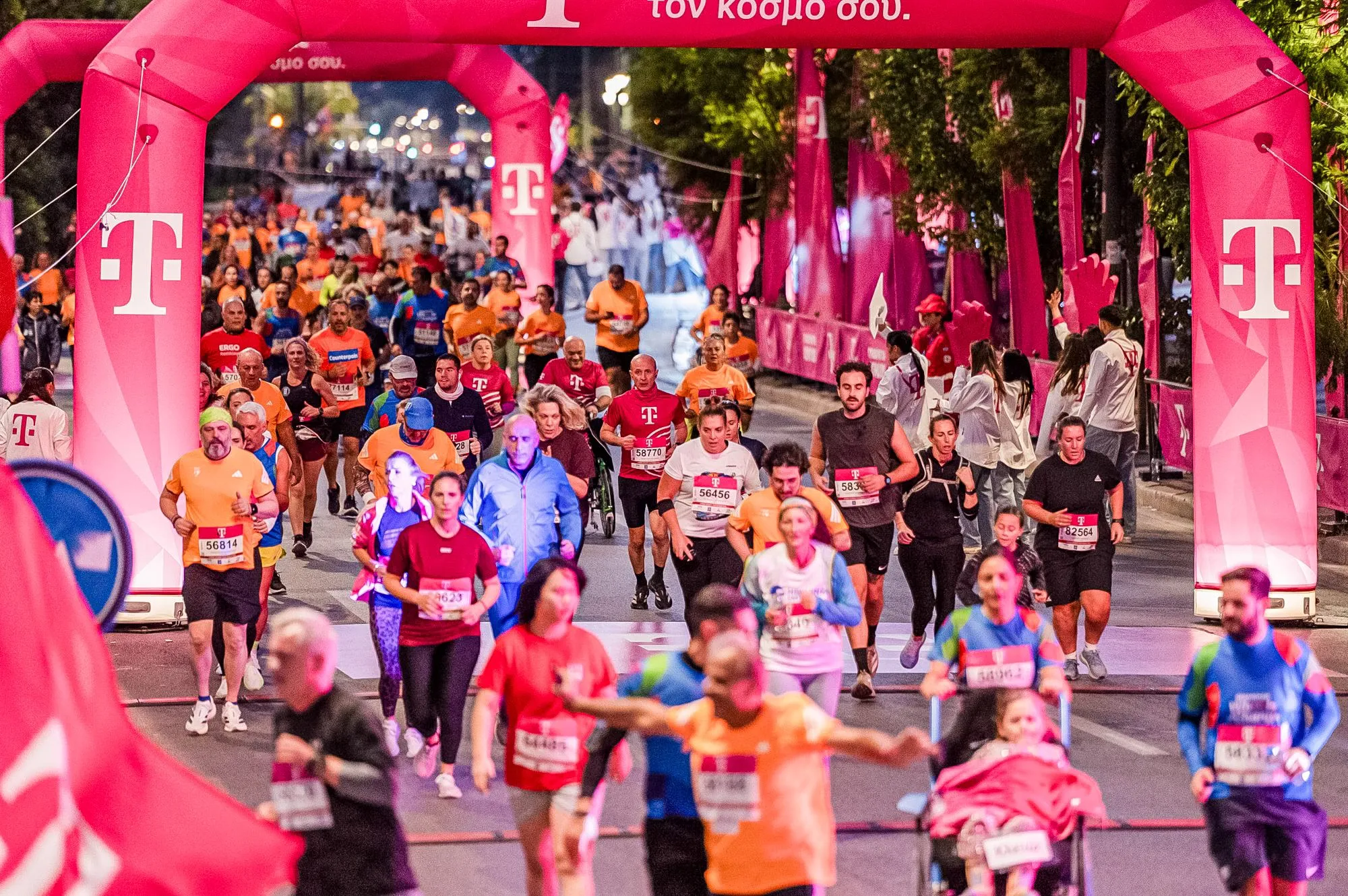
The current wave, spanning 2020 to 2026, was initially triggered by the COVID-19 pandemic lockdowns and is currently being driven by Gen Z. Unlike previous iterations that focused on individual achievement, the modern boom is defined by social connectivity and the dominance of "run clubs." These communities function as vital spaces for socialization, moving the activity away from its historical reputation as a lonely pursuit.
Technology and social media have fundamentally altered the landscape by turning running into a globally connected community. Furthermore, running apparel has transcended the track to become an integral part of the "athleisure" daily fashion aesthetic. This era is also marked by a notable demographic shift, particularly in gender balance. In major marathons, applications now show a nearly equal 50/50 split between men and women, alongside high engagement from younger age groups.
Post-pandemic resurgence and record-breaking participation
The pandemic lockdowns acted as a primary catalyst for the current surge because, as gyms closed, running became one of the most immediate and accessible forms of exercise available. While many analysts expected the momentum to fade once restrictions were lifted, the opposite occurred, leading to an unprecedented post-pandemic revival across Europe.
The scale of this growth is reflected in the massive increase in event attendance and the breaking of global records. The following table illustrates the growth patterns observed in specific European segments between 2022 and 2025:
| Event Type / Region | Growth Metric | Contextual Data |
|---|---|---|
| Major running events (Belgium) | ~170% increase | From 28,000 to 75,000 participants |
| Half-marathons (Belgium) | 65–70% increase | Observed during the 2022–2025 period |
| UK Adult Runners | N/A | Over 7 million adults run regularly |
In 2025, marathon participation reached all-time highs globally. A standout example is the 2025 TCS London Marathon, which saw 56,000 finishers and set a new Guinness World Record. In the United Kingdom, running has become the second most popular sporting activity, with over 7 million adults reporting that they run on a regular basis.
The psychology of the runner: Why the trend persists
The persistence of the running boom is deeply rooted in the psychological feedback loops provided by the activity. Unlike many forms of exercise where progress is subjective or takes a long time to become visible—such as fat loss—running provides immediate, quantifiable "small wins." This direct correlation between effort and measurable result strengthens a runner's sense of self-efficacy.
The human brain is biologically programmed to seek progress. When a runner tracks clear, measurable data such as time, distance, or pace, the brain receives immediate confirmation of success, which activates the reward system. As individuals adopt the identity of a "runner," the physical act of running aligns with their personal values and self-image. Consequently, running is no longer viewed as a chore to be completed, but as a meaningful form of self-expression.