
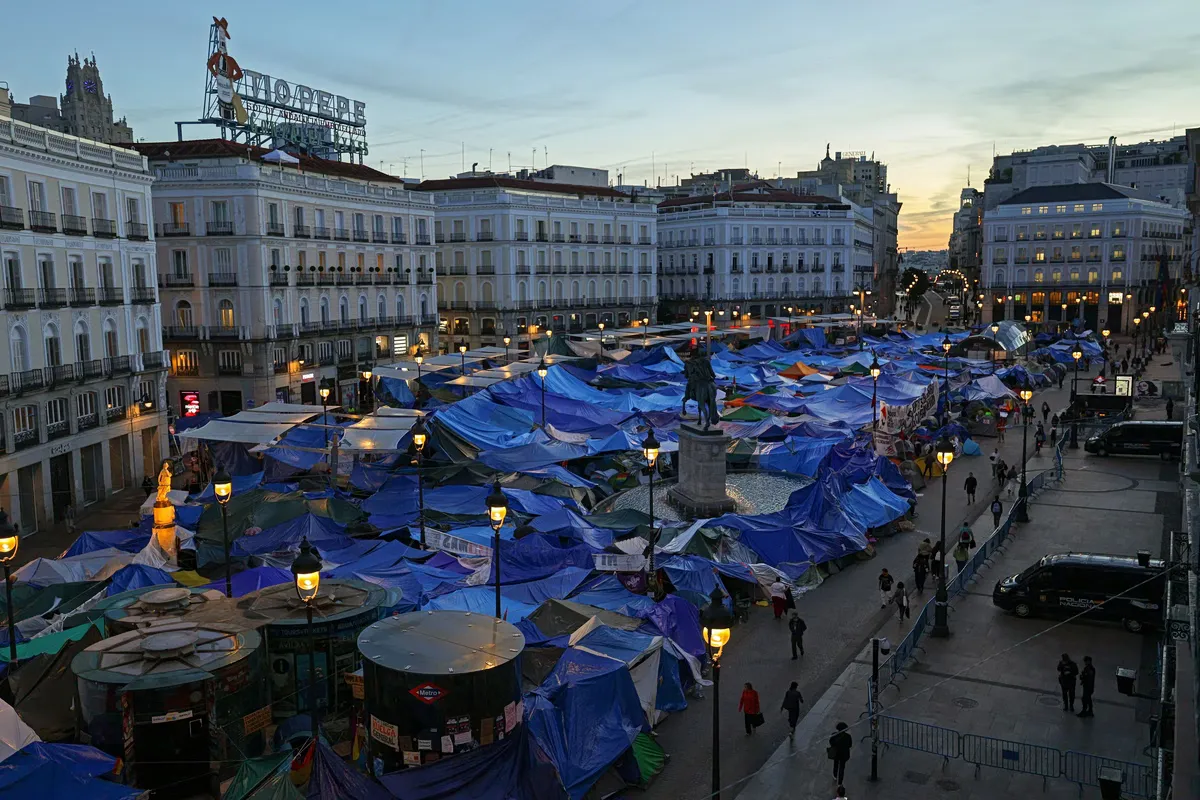
How is the housing crisis reshaping the global political landscape?
The current housing crisis is evolving into a new frontline for class and political confrontation, moving beyond the most vulnerable populations to impact the middle class as well. Unlike the 2008 financial crisis, which was triggered by the collapse of the US subprime mortgage market, today's instability is driven by a combination of widening inequality and soaring inflation, exacerbated by global conflicts in Ukraine and Iran.
The mismatch between stagnant wages and escalating property costs has created a volatile environment where voters are increasingly seeking state intervention and radical solutions. This shift is visible in major Western cities through the election of leaders committed to massive public housing investments. For instance, in New York, the election of Zoran Mamdani signals a demand for multi-billion dollar social housing commitments, while in Berlin, Elif Eralp's success reflects a mandate for the expropriation of properties from large real estate corporations.
A Shift in Voter Priorities
Voters are no longer just concerned with general economic stability; they are focused on the fundamental right to shelter. This has turned housing into a "litmus test" for political legitimacy, where traditional parties must adapt to or be replaced by those promising direct intervention in the real estate market.
What is the specific situation in the Spanish housing market?
Spain is currently experiencing one of the most acute housing crises in Europe, with the issue eclipsing migration and general economic concerns in public opinion. According to the Spanish Center for Sociological Research (CIS), the housing shortage has become the dominant concern for the population, prompting two out of three Spaniards to support immediate state intervention through rent caps.
The statistical reality in Spain reveals a profound decoupling of costs from earnings. According to INE data, over the last decade, housing purchase prices have surged by 80% and rents by 87%, while wages have only grown by 28%. During this same period, cumulative inflation reached 27%. This pressure is compounded by a significant demographic shift; Spain's population grew by approximately 7% (3 million people) in the same timeframe.
The structural deficit is also critical. According to the Bank of Spain, the country currently faces a shortage of 700,000 homes. Projections suggest this gap could widen to one million units by 2028. With one of the lowest shares of social housing in the OECD, the combination of tourism-driven short-term rentals and foreign investment has turned housing into a "sociopolitical time bomb."
Why did the housing crisis trigger early elections in Spain?
Spanish Prime Minister Pedro Sánchez called for early elections to secure a larger, more progressive parliamentary majority capable of implementing sweeping housing reforms. This decision follows the failure of the government's recent housing measures to pass in Parliament, largely due to opposition from conservative regional governments that ignored previous laws aimed at limiting rent increases in "stressed zones."
The political fallout in Spain is intense. While Sánchez frames the upcoming vote as a "referendum on the right to housing," his opponents present a different narrative. The center-right and far-right opposition accuse the Prime Minister of using the housing crisis as a distraction from corruption scandals and the migration crisis in Ceuta. Current polling suggests that these opposition groups could collectively secure a strong parliamentary majority, leaving the Socialist Party in a precarious position.
The Fragmentation of the Left
Political analyst Javier Carbonell of the European Policy Centre (EPC) notes that while housing should theoretically be a political advantage for the Left, the landscape is increasingly uncertain. The fragmentation of the space once occupied by parties like Podemos means that the Left may struggle to present a unified front against the rising tide of the right.
How do different political ideologies approach housing solutions?
The housing crisis has created a sharp ideological divide between the Left, the Right, and the Far-Right. According to Eurobarometer, the lack of affordable housing is the most pressing issue for more than half of EU urban dwellers, making the policy response a critical electoral battleground.
The competing visions for addressing the crisis can be summarized as follows:
- The Center-Right: Advocates for market-led solutions, focusing on reducing bureaucratic barriers to construction and providing tax incentives or support programs to assist first-time buyers. They generally oppose rent control measures.
- The Left: Promotes heavy state intervention, including rent regulation, stricter controls on short-term rentals, measures against real estate speculation, and large-scale public investment to expand social housing stocks.
- The Far-Right: Utilizes the crisis to fuel nationalist narratives. Their rhetoric often links the lack of affordable housing to migration, claiming that immigrants are displacing locals from the housing market.
This ideological split ensures that housing will remain a polarizing issue in upcoming elections across the continent, as parties attempt to capture the growing unrest of the middle and working classes.
Key takeaways
- The housing crisis is a primary driver of political polarization across Western democracies in 2026.
- In Spain, housing costs have risen significantly faster than wages, with rents up 87% over ten years.
- Spain faces a structural deficit of 700,000 homes, potentially reaching one million by 2028.
- Political responses vary from market-led approaches on the Right to state-led regulation on the Left.
- Far-right parties are increasingly linking housing shortages to migration to gain electoral support.
FAQ: Housing Crisis and Politics
How does the housing crisis affect the middle class?
The crisis affects the middle class by creating a massive gap between stagnant wages and the rising cost of living. As real estate speculation and short-term rentals drive up prices, middle-income earners find it increasingly difficult to purchase homes or maintain stable long-term rentals.
What is the current housing deficit in Spain?
According to the Bank of Spain, there is currently a deficit of 700,000 homes in the country. This shortage is expected to grow to one million units by 2028 due to high demand and a lack of social housing supply.
How do Left-wing parties propose to solve the crisis?
Left-wing parties generally advocate for increased state intervention. This includes implementing rent caps, regulating short-term holiday rentals, cracking down on speculative investment, and launching large-scale public programs to build and expand the supply of social housing.
What is the Far-Right's stance on housing?
The Far-Right often frames the housing crisis through a nationalist lens. They frequently claim that the shortage of affordable housing is caused by migration, using this narrative to capitalize on public frustration and appeal to local voters.
Why is housing considered a "time bomb" in Spain?
Housing is viewed as a "time bomb" because the structural shortage of homes, combined with high inflation and the pressures of tourism, is creating intense social unrest that threatens the existing political stability of the country.
Conclusion
The housing crisis has transcended simple economics to become a fundamental driver of political realignment. From the streets of Madrid to the urban centers of the United States, the inability of the market to provide affordable shelter is fueling demands for radical state intervention and empowering populist movements. As the gap between income and housing costs continues to widen, the ability of traditional governments to manage this "sociopolitical time bomb" will likely determine the political order of the coming decade. The upcoming elections in Spain serve as a critical indicator of whether the Left can reclaim the housing narrative or if the tide will shift toward the Right.







