What are the new exceptions for Category 5 irregularities?
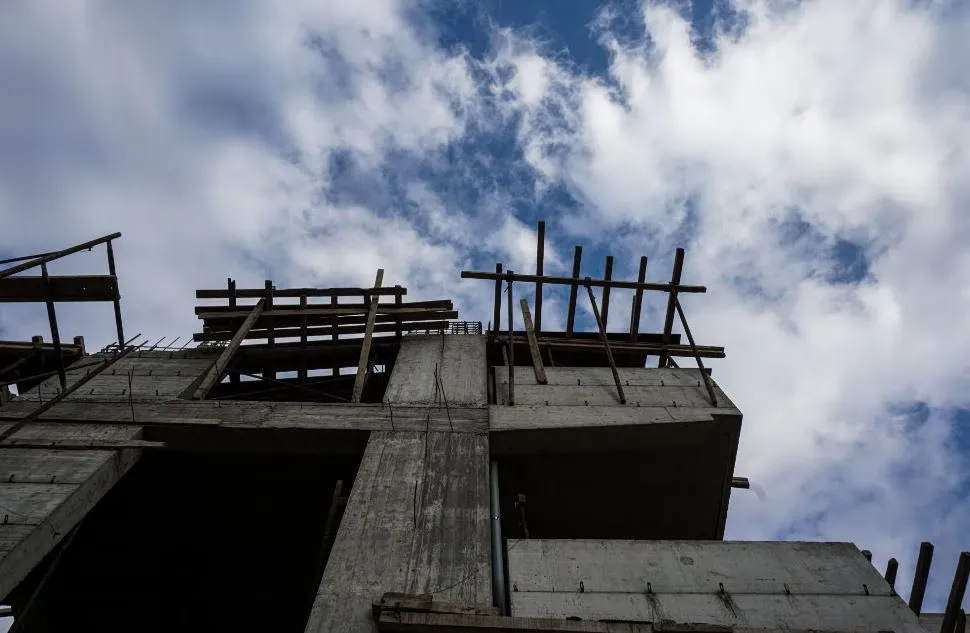
The Ministry of Environment and Energy (YPEN) is introducing critical amendments to allow the regularization of buildings previously stuck in 'Category 5'. This category refers to structures with severe irregularities, specifically those lacking a building permit or those exceeding construction/coverage limits by more than 40% and height limits by more than 20%. Since the regularization process for this specific category stalled in the autumn of 2020, these new provisions aim to provide a legal path forward.
The proposed legislation identifies two primary scenarios where these exceptions will apply:
- Buildings that were previously subject to older regularization laws (such as 4014/2011 or 4178/2013) and are now being transitioned into the framework of Law 4495/2017 or the new Code.
- Specific public-interest buildings and facilities, including primary and secondary public schools, municipal nurseries, municipal sports facilities, social welfare structures, and buildings owned by the Real Estate Infrastructure S.A. (Ktiriakes Ypodomies).
The application of these exceptions is tied to the submission of relevant applications within the deadlines established by the Building's Electronic Identity framework. This mechanism is designed to bring high-risk or non-compliant structures back into the legal fold, ensuring they meet modern safety and administrative standards.
How does the bill change property consolidation and merging?
The YPEN bill introduces two substantive changes to the existing framework for the functional merging of properties. The first major update allows for the functional consolidation of individual, adjacent, or contiguous divided properties located within the same building or plot. This is a significant shift that facilitates larger operational spaces for various uses.
Facilitating commercial and residential merging
Under the new rules, consolidation can now involve two adjacent apartments located in different buildings. This also extends to the merging of neighboring spaces for commercial or professional use, provided the intended use is permitted and all other legal requirements are met. To prevent complete obstruction by minority owners, the bill requires the consent of at least 67% of the owners of each divided property being merged. This rule applies regardless of any conflicting provisions in the original horizontal ownership deed or co-ownership regulations, provided that the structural integrity of the buildings is guaranteed.
The second change allows for the unilateral execution of reinforcement interventions by the entity benefiting from the merger. These interventions can be funded by the owners who are performing the consolidation, provided that the works are strictly confined within the merged horizontal properties. Additionally, the law maintains the ability for functional subdivision, allowing properties to be returned to their previous state under specific conditions.
What is the impact on small-scale construction work limits?
The bill includes several corrections and updates to the "Nikolaos Tagaras" Urban and Town Planning Code, specifically regarding the Approval of Small-Scale Construction Works (EEDMK). The most notable change concerns how the €25,000 budget threshold is applied to different types of projects.
The new regulations reclassify several types of work to ensure better oversight and safety:
- Heating Systems: The installation of an autonomous heating system is now classified as a small-scale construction work requiring EEDMK approval, regardless of the total budget.
- Removals: Conversely, items such as porches (prosteftasmata) and roof covers (stegastra) will be removed from the small-scale category. These will now follow the general rule: if the total budget exceeds €25,000 per horizontal or vertical property, a full building permit is required.
- Exemptions: The law continues to exempt the installation of photovoltaic systems and wind turbines from these specific budget constraints.
In total, the proposal defines 12 categories of work that remain exempt from the €25,000 financial limit. Furthermore, a special regulation is introduced for public buildings owned by the Public Employment Service (DYPA). For buildings involved in Strategic Importance Contract Development Programs or those funded by the Recovery and Resilience Fund, works can be executed via EEDMK regardless of the project budget, aiming to accelerate public infrastructure development.
Why is the licensing process being expedited for defense installations?
The proposed regulations aim to significantly accelerate administrative procedures for the construction, modernization, and upgrading of Hellenic Defense Systems (EAS) facilities in Lavrio (Attica) and Pyli Derveniokhorion (Boeotia). This move is intended to facilitate the relocation of facilities from Hymettus to make way for the planned "Andreas Lentakis" Government Park.
To achieve this, the bill establishes several priority mechanisms:
- Environmental Licensing: Requests for exemptions from environmental licensing will be treated with absolute priority. Decisions must be issued within a strict 30-day deadline from the submission of a complete file, with the resulting permits valid for up to five years.
- Industrial Permits: Special licenses for relevant industrial installations are to be issued within 20 days of application.
- Urban Planning: Plans and studies will be submitted to the Ministry of Environment and Energy and reviewed by the Central Council of Urban Planning Issues and Appeals, which must provide an opinion within 20 days.
While the process is accelerated, the bill maintains strict obligations regarding the protection of antiquities. If archaeological remains are discovered during excavations, work must be halted immediately, and a proper archaeological excavation must be conducted following written notification to the competent authorities.
What are the updates regarding water management and infrastructure?
The bill also addresses the evolution of water management services in Greece. It promotes the possibility of the free transfer of barriers and auxiliary installations to the EYDAP S.A. (Athens Water Supply and Sewerage Company). This provision aligns with legislation passed in August 2026, which envisions the evolution of EYDAP into the country's largest public pillar for water service management.
This transfer of assets is intended to streamline the management of water infrastructure and support the company's transition into a more centralized and robust public utility provider. The transfer of these assets will be carried out without compensation, through a joint decision by the Ministers of Infrastructure and the Environment.
Frequently asked questions
What is Category 5 in the context of Greek building irregularities?
Category 5 refers to buildings with the most severe types of construction irregularities. This includes structures built without a valid building permit or those that significantly exceed legal limits, specifically more than 40% in terms of construction/coverage and more than 20% in terms of height.
How does the new law facilitate merging adjacent properties?
The law allows for the functional merging of adjacent properties or apartments, even if they are in different buildings. To proceed, the consent of at least 67% of the owners in each divided property is required, ensuring that a total consensus is not a barrier to functional improvements.
Does the €25,000 limit still apply to all small-scale works?
No, the rules have changed. While some works remain exempt, the installation of autonomous heating systems now requires approval regardless of the budget. Additionally, certain works like porches are now subject to the €25,000 threshold, meaning they require a full permit if they exceed that amount.
What is the purpose of the expedited EAS licensing?
The expedited licensing for Hellenic Defense Systems (EAS) is designed to speed up the relocation of defense facilities from the Hymettus area to Lavrio and Boeotia. This is a necessary step to allow for the development of the new "Andreas Lentakis" Government Park.
Are there protections for archaeological sites during fast-tracked construction?
Yes, even with accelerated procedures, the law mandates the protection of antiquities. If archaeological finds are uncovered during construction, work must be stopped immediately, and the relevant authorities must be notified to conduct a formal excavation.
Key takeaways
- Category 5 irregularities, involving major construction excesses, may now be eligible for regularization.
- Property merging now requires only 67% owner consent for adjacent divided properties.
- Autonomous heating system installations now require approval regardless of the project budget.
- EAS defense installations will benefit from a 20-to-30-day expedited licensing window.
- EYDAP will receive free transfers of water management barriers and auxiliary installations.
Synthesis of the legislative changes
The proposed bill from the Ministry of Environment and Energy represents a significant attempt to modernize the Greek urban and administrative landscape. By addressing the long-standing issue of Category 5 irregularities, the government aims to bring thousands of non-compliant structures into the legal framework. Simultaneously, the adjustments to property consolidation and small-scale construction thresholds reflect a desire to reduce bureaucratic friction for both private citizens and public entities. While the acceleration of defense-related projects serves strategic national interests, the maintenance of archaeological and structural safeguards ensures that speed does not come at the expense of heritage or safety. The ultimate success of these measures will depend on their implementation following the public consultation period ending October 24.