
Why is the match against the Netherlands a turning point for Greece?
The upcoming encounter with the Netherlands represents the most significant hurdle in Greece's current Nations League campaign. While the team is competing in Group A, the Netherlands has established itself as the strongest side in the group at the start of the process. Success in this fixture changes the mathematical landscape of the group standings entirely.
Currently, the objective is to secure a position that ensures progression. If Greece manages to defeat the Netherlands, they do not merely aim to stabilize a third-place position; they move directly into contention for first place. According to the tournament structure, only the top two teams from the group will advance to the quarter-finals. Therefore, this match is not just about points, but about shifting the psychological and competitive momentum toward direct qualification.
The stakes of the Group A standings
The intensity of the group is heightened by the presence of high-level opposition. A victory against the group leaders would effectively bypass the need for complex tie-breaking scenarios, placing Greece in a commanding position to secure one of the two available knockout spots. This high-stakes environment necessitates a squad that is both physically prepared and tactically disciplined.
How will Ivan Jovanović manage player fatigue and rotation?
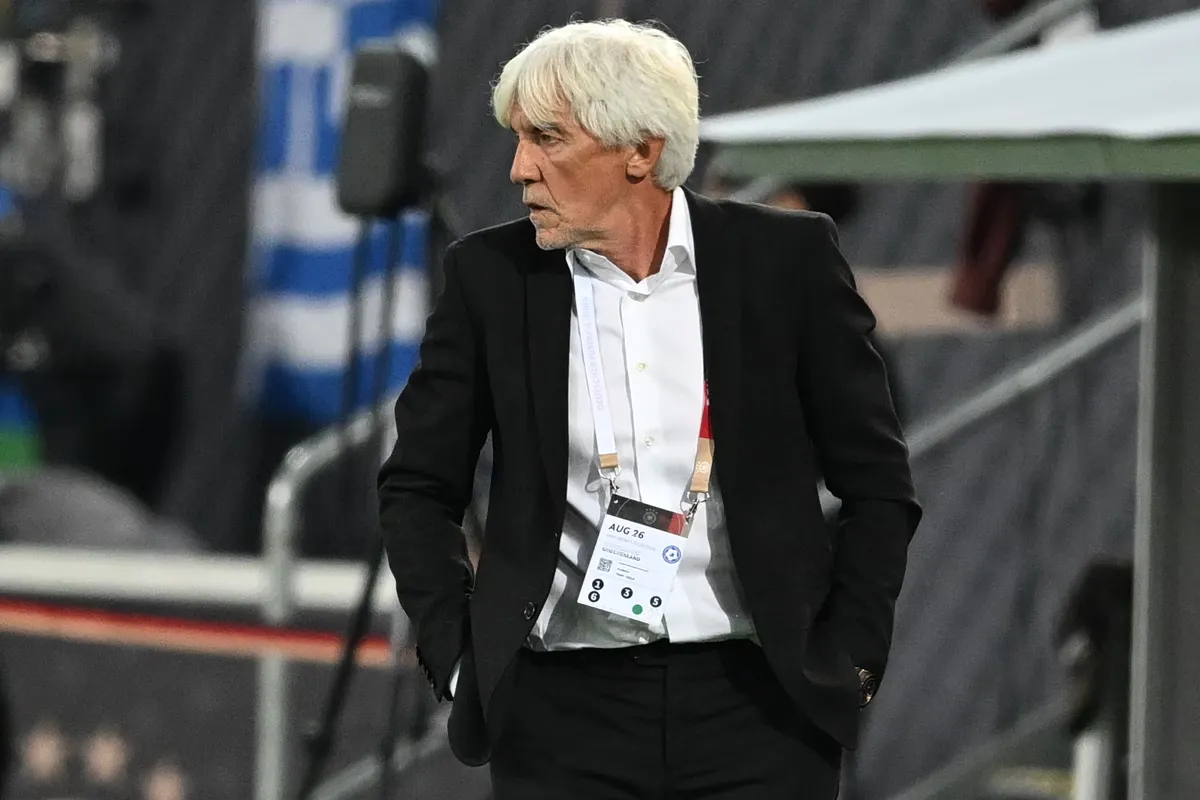
Ivan Jovanović is currently managing a congested fixture list that includes matches in Belgrade, Augsburg, and the upcoming home game in Thessaloniki. The primary challenge for the head coach is the 'third series match' phenomenon, where player fatigue becomes a critical factor in performance levels. The coach must balance the need for a strong starting XI with the physical limits of his key players.
Certain players are naturally exempt from heavy rotation due to the nature of their positions. For instance, goalkeeper Tzolakis is unlikely to be subjected to the rigors of three consecutive 90-minute matches, as the physical and mental demands on a goalkeeper differ from outfield players. However, for the outfield core, the decision-making process is much more complex. Players like Tsimikas, Retzos, and Mavropanos have already logged significant minutes, with Tsimikas and Retzos playing full 90-minute matches in recent outings.
Jovanović has indicated that his focus is strictly on the immediate challenge. Rather than looking ahead to the subsequent match against Germany at Toumba, he is prioritizing the tactical preparation required to face the Netherlands. The coaching staff is using training sessions, specifically the upcoming Wednesday sessions, as the definitive guide for final selection decisions.
What is the expected lineup for the Greece vs Netherlands match?
The tactical structure for the match is expected to rely on a core of players who have proven their reliability in recent Nations League fixtures. While rotation is a possibility, the coach is expected to field a side that is 'ready for battle,' even if it means playing players who are participating in three matches within a single week.
In the defensive line, the selection of Konstantinos Tsimikas remains a pivotal decision. His ability to start and maintain high intensity will depend on his current physical readiness following his recent heavy workloads. In the center of the defense, changes are expected to be difficult to implement, as the current partnership has provided stability. On the right flank, Saliakas is favored to start.
Midfield and attacking configurations
The midfield axis is expected to see a return to a more established shape. Kurbehellis is anticipated to return to the starting lineup, likely paired with Androutsos. Androutsos has become a strong candidate for the starting XI following a standout performance in the recent match against Germany. This partnership aims to provide the necessary balance between defensive coverage and transitional play.
In the attacking third, Kostoulas is in a strong position to start once again. He has successfully navigated the physical challenges that previously sidelined him during the Germany match. The attacking trio of Karetsas, Tzolakis, and Pavlidis is expected to remain the primary offensive threat, as breaking up this established unit is considered a difficult task for the coaching staff at this stage of the tournament.
What does the upcoming schedule mean for the team's momentum?
The schedule following the Netherlands match is equally demanding, with a high-profile clash against Germany scheduled for Sunday night at Toumba. This creates a narrow window for recovery and tactical adjustment. The ability of the team to maintain momentum depends heavily on the outcome of the Netherlands game.
The sequence of matches—Belgrade, Augsburg, Thessaloniki (Netherlands), and then Germany—places immense pressure on the squad's depth. If Jovanović successfully navigates the Netherlands match, the team will enter the Germany fixture with significant confidence and a clear path toward the quarter-finals. Conversely, a poor result would necessitate a much more difficult struggle to remain relevant in the group standings.
Key takeaways
- The match against the Netherlands is vital for securing a top-two finish in Group A.
- Winning this game could propel Greece from third place contention to first place.
- Ivan Jovanović is prioritizing immediate tactical readiness over long-term rotation.
- The midfield is expected to feature the pairing of Kurbehellis and Androutsos.
- Physical recovery will be a decisive factor following recent matches in Belgrade and Augsburg.
Frequently asked questions
What is the importance of the Netherlands match for Greece?
The match is critical because the Netherlands is currently the top team in Group A. A victory would significantly increase Greece's chances of finishing in the top two, which is the requirement for advancing to the Nations League quarter-finals.
Who are the key players to watch in the upcoming lineup?
Key players include Konstantinos Tsimikas in defense, and the midfield pairing of Kurbehellis and Androutsos. Additionally, the attacking trio of Karetsas, Tzolakis, and Pavlidis remains central to Greece's offensive strategy.
How is Ivan Jovanović handling player fatigue?
Jovanović is focusing on players who are 'ready for battle,' even if they are playing multiple matches in a week. He uses intensive training sessions to gauge physical readiness before making final decisions on the starting XI.
What happens if Greece finishes third in the group?
Finishing third would likely mean elimination from the tournament, as only the top two teams in the group progress to the quarter-finals. This makes the match against the Netherlands a 'must-win' for direct qualification.
When does Greece play Germany?
Following the match against the Netherlands, Greece is scheduled to play Germany on Sunday night at the Toumba Stadium. This follows a very tight schedule of three major matches in a short period.
Conclusion
The upcoming fixture against the Netherlands represents a defining moment for Ivan Jovanović and the Greek national team. The tactical decisions regarding player rotation and the selection of the starting XI will be dictated by the need for immediate results and the physical condition of key personnel like Tsimikas and Androutsos. With the top two spots in Group A being the only gateway to the quarter-finals, the pressure is immense. Success in Thessaloniki would not only validate the team's recent performances but also fundamentally alter their trajectory in the Nations League.







