
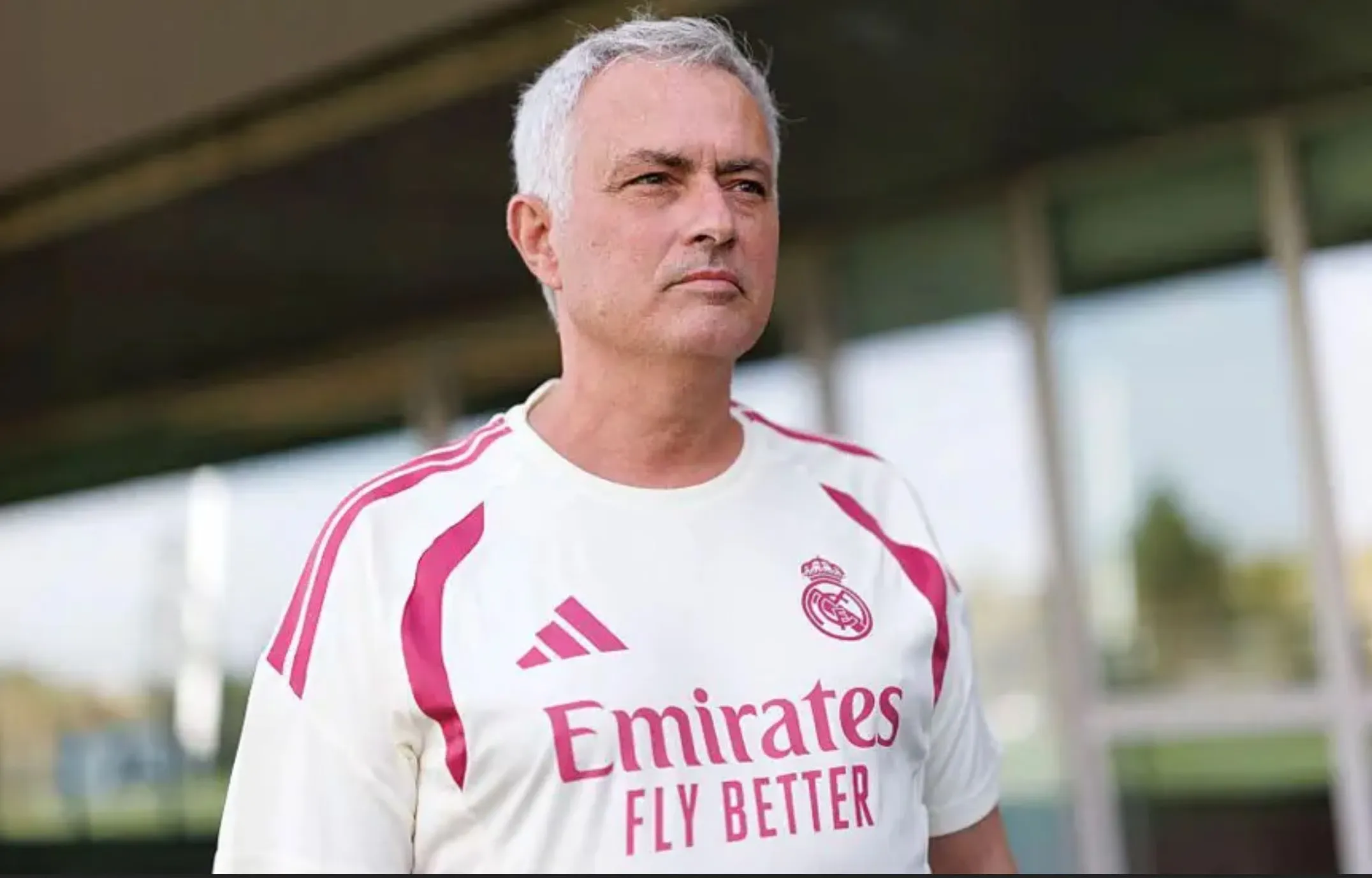
How did the José Mourinho return to Real Madrid happen?
The return of José Mourinho to Real Madrid was driven by rumors rather than direct negotiations, a reversal of the typical footballing recruitment process. Speaking to Corriere dello Sport, the Portuguese tactician explained that the speculation regarding his appointment began to circulate well before any formal communication took place between him and the club hierarchy.
At the time the rumors surfaced, Mourinho was deeply committed to his role at Benfica. He noted that he was enjoying his tenure at the Portuguese club, which was located only ten minutes from his home, and his primary objective was to fulfill the terms of his three-year contract. He admitted that he did not believe the reports of a move to Madrid were grounded in reality, as his focus remained entirely on the future of Benfica.
The dynamic shifted following high-stakes Champions League encounters between Benfica and Real Madrid. Mourinho specifically recalled the dramatic nature of Benfica's progression in the tournament, noting how the team managed to advance despite having zero points after the first four matchdays. He highlighted a pivotal moment where a last-minute goal from Benfica's goalkeeper against Real Madrid secured their place in the competition, a moment that underscored the intense competitive atmosphere between the two sides.
What is the nature of Mourinho's relationship with Florentino Pérez?
Despite the professional rivalry inherent in managing competing European clubs, Mourinho maintains a strong personal bond with Real Madrid president Florentino Pérez. He emphasized that although thirteen years have passed since his initial departure from the Santiago Bernabéu, the personal connections between him and the club's leadership never dissolved.
Mourinho described his first stint at Real Madrid as a period of immense intensity, suggesting that those three years held the weight and significance of an entire coaching career. For him, returning to the club is not merely a professional appointment but a "return to a home" that holds profound emotional value. He stressed that there was never a need for secrecy regarding his friendship with Pérez, as their communication remained open throughout the intervening years.
The emotional weight of the Bernabéu
Mourinho’s perspective on his return is deeply colored by the legacy of his previous tenure. He views the upcoming challenges not just as tactical hurdles but as a continuation of a storied chapter in his life. This emotional connection to the club serves as a foundation for his second act in Madrid, bridging the gap between his past successes and his current ambitions.
How did Mourinho handle the Vinícius Júnior racism controversy?
During the Champions League clashes between Benfica and Real Madrid, Mourinho found himself in the middle of a highly sensitive situation involving allegations of racist behavior related to Vinícius Júnior. The manager described the situation as "extremely difficult," as he had to navigate conflicting narratives and intense public scrutiny.
Mourinho explained that he was faced with a player who maintained that no such incident had occurred, and in the absence of definitive proof, he felt unable to take a definitive stance. This position drew significant criticism from the public. He noted that any stance he took—whether supporting the player or the allegations—would have triggered massive reactions, and his transition from Benfica to Real Madrid only added layers of complexity to how the matter was perceived by the media and fans.
Why does Mourinho believe his Roma departure was decided in Budapest?
One of the most striking revelations in the interview concerns the end of his tenure at AS Roma. While his official dismissal occurred in January 2024, Mourinho asserts that his relationship with the club's ownership had effectively ended on the night of the Europa League final in Budapest, where Roma lost to Sevilla in 2023.
He addressed the controversies surrounding his exit, specifically acknowledging his responsibility for insulting a referee in the stadium parking area. However, he firmly denied involvement in the subsequent incidents that occurred at the airport. He used strong imagery to describe the emotional toll of that period, stating that he felt as though he had already returned "dead," with the formal dismissal feeling like a mere funeral occurring months later.
Despite the bitterness regarding his exit, Mourinho expressed a lasting affection for the Roma supporters. He recalled the overwhelming support he received upon his arrival, noting the thousands of fans who met him at the airport before he had even won a single match. He acknowledged that while the Conference League title in 2022 was a peak achievement, the emotional connection with the fans was most profoundly felt during the heartbreak of the Budapest final.
Preparing for a return to the Stadio Olimpico
As he prepares to return to the Stadio Olimpico, but this time as an opposing manager, Mourinho admitted that the psychological preparation required is unique. He noted that he cannot pretend that walking into the Olimpico will feel like any other stadium, as he must manage the complex emotions tied to his history with the club and its fanbase.
How has the landscape of modern football changed for managers?
Mourinho offered a critical view of the current state of football, choosing the word "transformation" over "evolution" to describe recent changes. He argued that transformation does not inherently imply progress, suggesting that the modern game has shifted in ways that may not always be beneficial to the craft of coaching.
He contrasted the current era with the time when he participated in UEFA coaching meetings alongside legends such as Sir Alex Ferguson, Fabio Capello, Giovanni Trapattoni, Marcello Lippi, and Arsène Wenger. According to Mourinho, while modern coaches tend to reach the pinnacle of the sport much faster than previous generations, they also tend to disappear just as quickly. He believes that while the structures and speeds of the game have changed, the fundamental "DNA" and passion required for coaching remain constant.
FAQ: José Mourinho's Interview
Why did Mourinho not expect his Real Madrid return?
Mourinho was focused on his three-year contract with Benfica and felt settled in his personal life. He noted that the rumors regarding his return to Madrid began circulating before any actual contact was made with the club, making the move feel unexpected and unplanned.
What was Mourinho's stance on the Vinícius Júnior incident?
Mourinho described the situation as an extremely difficult position to navigate. Because he had a player asserting that no racism had occurred and there was no definitive proof to the contrary, he felt unable to take a clear side without provoking intense backlash.
When did Mourinho's relationship with Roma actually end?
Although his official dismissal was in January 2024, Mourinho believes the relationship with Roma's ownership effectively ended following the Europa League final defeat in Budapest in 2023. He views that loss as the moment his tenure was truly over.
How does Mourinho view his friendship with Florentino Pérez?
Mourinho maintains that he and the Real Madrid president have remained in contact for the thirteen years since his first departure. He described their relationship as a friendship that remained transparent and unaffected by his time away from the club.
Does Mourinho believe football is progressing?
Mourinho prefers the term "transformation" over "evolution," suggesting that change does not always equal progress. He noted that while modern coaches reach the top more quickly, they often lack the longevity seen in the eras of managers like Ferguson or Wenger.
Key takeaways
- Mourinho's Real Madrid return was preceded by rumors rather than direct club contact.
- He maintained a personal friendship with Florentino Pérez throughout his time away.
- Mourinho believes his Roma tenure effectively ended after the 2023 Europa League final.
- He views the current era of football as a transformation rather than an evolution.
Conclusion
José Mourinho's return to Real Madrid represents more than just a high-profile managerial appointment; it is a complex homecoming shaped by past triumphs, controversial exits, and enduring personal relationships. By reflecting on his time at Benfica, the intricacies of the Vinícius Júnior controversy, and the emotional conclusion of his Roma journey, Mourinho provides a window into the psychological demands of elite coaching. As the footballing world undergoes a rapid transformation, Mourinho remains anchored by his professional identity, prepared to face both his former clubs and the evolving game with his characteristic intensity.







