
Tender details and procurement timeline
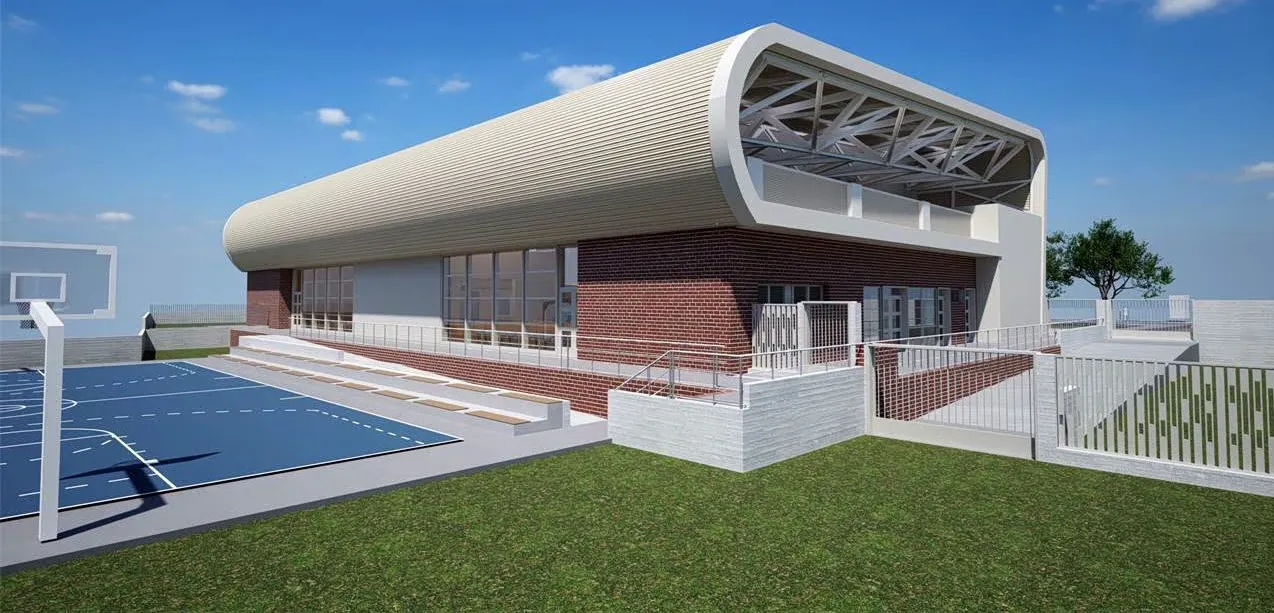
The Municipality of Kalamata has officially announced an open international tender for the construction of a new indoor gymnasium at the 22nd Primary School in the Giannitsanika district. According to official updates from the Municipality of Kalamata in 2026, the project involves the comprehensive study and construction of the facility with a total budget of €2,491,865.
The procurement process is being managed by KTYP S.A., which has set specific deadlines for interested contractors. The deadline for the submission of bids is scheduled for November 9, 2026. Following this period, the formal opening of the submitted tenders is expected to take place on November 11, 2026. Once a contractor is successfully selected and the contract is signed, the project is slated for completion within a 450-day timeframe.
Project Scope
The works encompass both the technical design and the physical building of the gymnasium. This dual-phase approach ensures that the final structure meets the specific pedagogical and athletic requirements of the school environment.
Financing and sustainable design standards
Funding for the Kalamata school gymnasium project is secured through a loan provided by the European Investment Bank (EIB). This financial backing underscores the importance of the project within the broader framework of regional development and educational investment.
Beyond mere construction, the facility is being designed to meet high contemporary standards regarding environmental impact and user safety. The architectural plans emphasize three core pillars: functionality, safety, and energy efficiency. Notably, the project will incorporate bioclimatic applications to reduce the long-term operational costs and environmental footprint of the building.
By integrating these sustainable technologies, the municipality aims to create a facility that remains viable and cost-effective for many years. The focus on energy efficiency aligns with broader European trends toward green infrastructure in public institutions.
Impact on local sports infrastructure
The development of the new gymnasium is expected to serve as a significant boost to the athletic capacity of the Kalamata region. While the primary beneficiaries are the students of the 22nd Primary School, the facility is intended to support the wider school community and local sports enthusiasts.
Thanasis Vasilopoulos, the Mayor of Kalamata, highlighted the strategic importance of this transition from planning to execution. According to the Mayor in 2026, the project represents a critical step in upgrading school infrastructure to create better conditions for children while simultaneously strengthening the city's overall athletic network.
The project follows a presentation phase that occurred in June 2026, marking the shift from conceptual design to the competitive bidding stage. This investment is viewed as a long-term commitment to the physical well-being of the youth and the modernization of public spaces in Kalamata.
Summary of project specifications
To understand the scale of this municipal undertaking, several key metrics define the project's scope and expectations:
- Total Budget: €2,491,865.
- Primary Location: 22nd Primary School, Giannitsanika, Kalamata.
- Funding Source: European Investment Bank (EIB).
- Execution Period: 450 days from contract signing.
- Core Features: Bioclimatic design and high energy efficiency.







