
What is the central theme of Ke Huy Quan's 'Never Say Die'?
The central theme of Ke Huy Quan's memoirs is the acceptance of life's impermanence and the courage to face failure without fear. In his new book, Never Say Die, the actor explores how his varied life experiences—ranging from extreme hardship to sudden fame—shaped his resilient worldview. He notes that his journey has taught him that nothing in life is permanent, a realization that has allowed him to embrace both his successes and his long periods of professional absence.
According to Quan, his perspective changed significantly after experiencing the highs and lows of the entertainment industry. He admits that during his younger years, he felt a desperate need to avoid being perceived as a failure, which led him to hide certain aspects of his identity from the world. However, having successfully navigated a major career resurgence, he expresses a newfound freedom in his personal and professional life.
Overcoming the stigma of failure
Quan emphasizes that his ability to return to the spotlight has fundamentally altered his relationship with success. By experiencing a complete professional disappearance and then fighting his way back, he has stripped away the fear of being judged by the industry or the public. This psychological shift is a cornerstone of his memoir, offering a roadmap for others facing similar setbacks.
How did Ke Huy Quan's early life shape his resilience?
Ke Huy Quan's resilience is rooted in a childhood marked by displacement and rapid transitions. Born in Shanghai, he was living in a refugee camp in Hong Kong at the age of three before his family moved to California a year later. These early experiences of instability provided a foundation for understanding that circumstances can change overnight, a theme that recurs throughout his autobiography.
The contrast between his early life and his sudden rise to fame is stark. In 1984, Quan achieved significant cinematic success as a child actor in Indiana Jones and the Temple of Doom, appearing alongside Harrison Ford. This period of intense visibility was followed by a sudden and prolonged absence from the Hollywood mainstream, a transition that tested his resolve for nearly two decades.
What caused the long gap in Ke Huy Quan's acting career?
The gap in Ke Huy Quan's career was characterized by persistent professional rejections and financial difficulties that lasted for approximately twenty years. After his initial success as a child star, Quan found himself largely excluded from major film roles, transitioning into different roles within the industry, including working as an assistant director.
During these "quiet years," Quan faced the reality of being a working professional in an industry that often overlooks those who do not maintain constant momentum. He describes the experience of seeing his face on posters and in magazines, only to have that visibility stripped away suddenly. This period of struggle is not framed as a tragedy in his memoirs, but rather as a necessary chapter that contributed to his current sense of gratitude.
Navigating the industry as an assistant director
While his acting roles diminished, Quan remained connected to the film world through behind-the-scenes work. It was during his time as an assistant director on the production of 2046 that he met his wife, Ekô. This period of his life, while lacking the glamour of his childhood stardom, was instrumental in providing the personal stability and support necessary for his eventual return to acting.
How did the 2022 Oscar win change his trajectory?
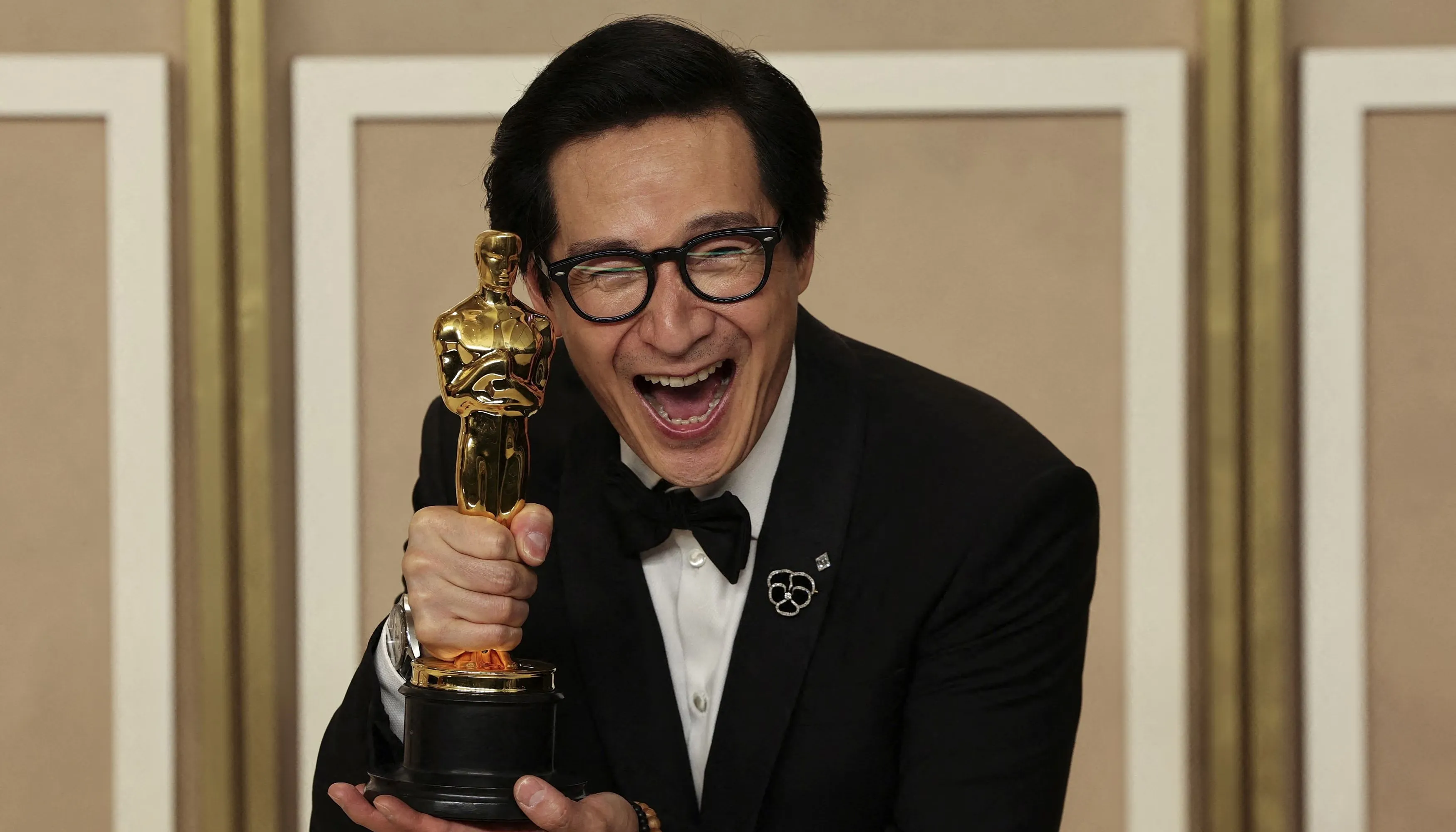
The 2022 release of Everything Everywhere All at Once served as the catalyst for one of the most significant comebacks in modern cinema history. The film's success led to Quan winning an Academy Award, a moment that validated his decades of persistence and effectively ended his period of professional obscurity.
This resurgence is often compared to other notable Hollywood comebacks, such as that of Robert Downey Jr., though Quan's journey is distinct due to the sheer length of his hiatus and the specific challenges he faced as an immigrant and a child star. The Oscar win was not just a professional milestone but a personal vindication of his belief that kindness and positivity would eventually yield results.
What role did personal relationships play in his journey?
Personal support, particularly from his wife Ekô, played a vital role in Quan's ability to endure his difficult years. He credits their meeting during his work as an assistant director as a turning point that changed his life. Quan expresses deep gratitude for her belief in him and the positive influence she brought to his life during his most challenging periods.
Quan's memoirs suggest that his ability to maintain a positive aura and show kindness to others was a long-term investment that eventually paid off. He views his past struggles not as wasted time, but as essential experiences that shaped the person he is today. This sense of wholeness—accepting both the struggle and the triumph—is the ultimate takeaway of his life story.
Frequently asked questions
What is the title of Ke Huy Quan's autobiography?
The title of Ke Huy Quan's autobiography is Never Say Die. The book covers his life journey from his childhood in refugee camps to his recent Academy Award success, focusing on themes of resilience and overcoming professional rejection.
When did Ke Huy Quan achieve his first major film success?
Ke Huy Quan achieved his first major cinematic success in 1984 when he appeared in the film Indiana Jones and the Temple of Doom. This role established him as a notable child actor alongside Harrison Ford before his later career hiatus.
Why did Ke Huy Quan disappear from Hollywood for many years?
Quan experienced a long period of professional obscurity due to continuous rejections in the film industry and various financial hardships. For nearly two decades, he worked in different capacities, including as an assistant director, before his major comeback in 2022.
What film led to Ke Huy Quan winning an Oscar?
Ke Huy Quan won an Academy Award for his performance in the film Everything Everywhere All at Once. This role marked his significant return to mainstream Hollywood prominence following his long period away from the spotlight.
How does Quan view his past failures?
Ke Huy Quan views his past failures and periods of hardship as essential experiences that shaped his character. Rather than fearing failure, he now sees his ability to overcome it as a source of strength and gratitude for his current life.
Key takeaways
- Ke Huy Quan's memoirs, Never Say Die, detail his journey from a refugee to an Oscar winner.
- His career includes a major 1984 success in Indiana Jones and the Temple of Doom.
- Quan faced nearly two decades of professional rejection and financial struggle.
- The 2022 film Everything Everywhere All at Once facilitated his major Hollywood comeback.
- His autobiography emphasizes resilience and the acceptance of life's impermanent nature.
Conclusion
Ke Huy Quan's story, as told in Never Say Die, is a profound testament to the power of perseverance. By moving from the instability of a refugee camp to the heights of cinematic achievement, Quan has demonstrated that professional setbacks do not define a person's ultimate worth. His memoir offers more than just a celebrity biography; it provides a philosophical reflection on how to navigate the unpredictable nature of success and failure. Ultimately, his journey highlights that resilience is built through the very challenges that once seemed insurmountable.







