
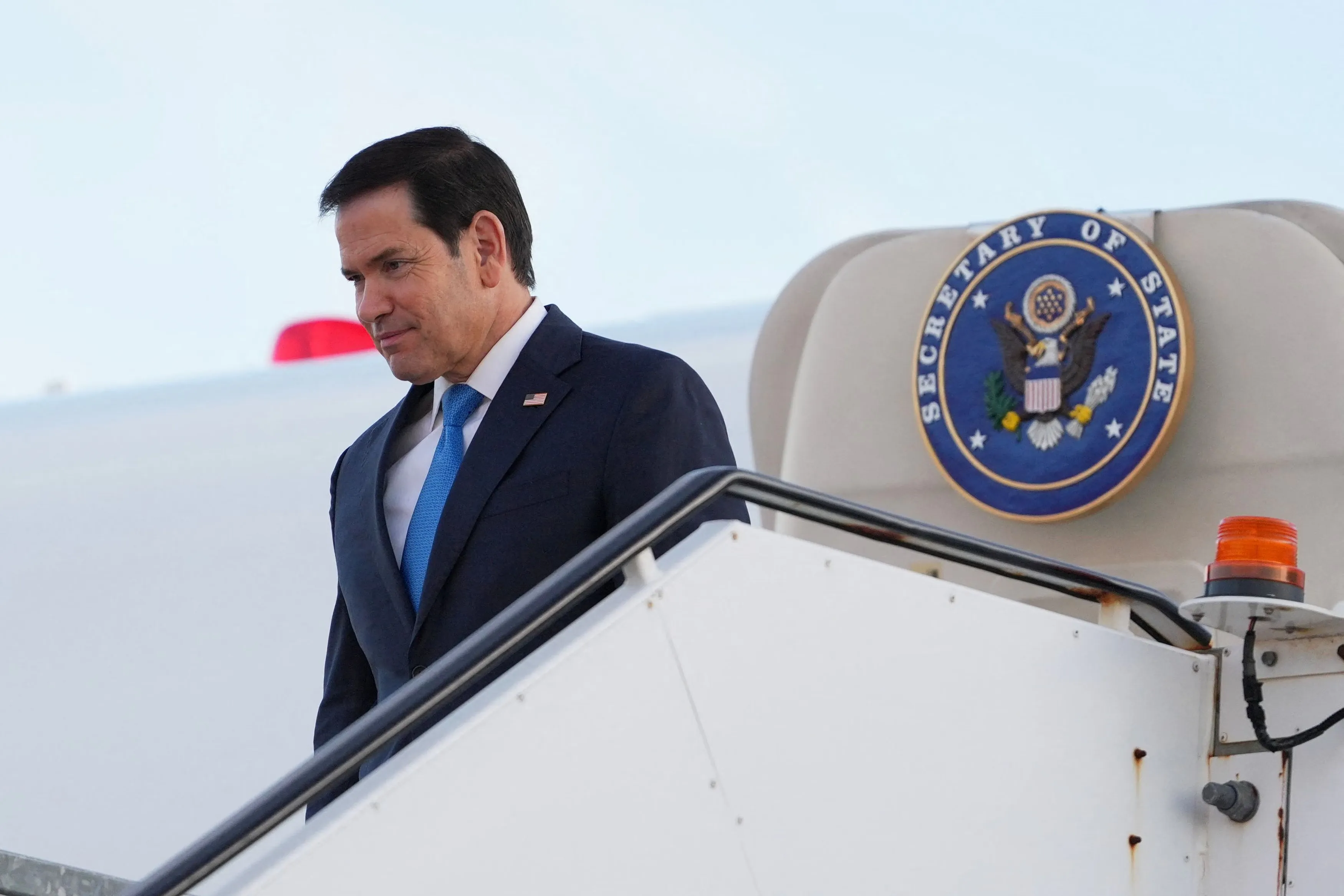
What is the primary objective of the Marco Rubio Athens visit?
The primary objective of the visit is to launch the 6th Round of the Greece-US Strategic Dialogue, a comprehensive framework designed to expand bilateral cooperation. This high-level engagement covers a vast spectrum of interests, ranging from regional security and defense to technological innovation, trade, and investment. By convening senior officials from both nations, the dialogue seeks to solidify the role of Greece as a reliable strategic partner in Southeast Europe and the Eastern Mediterranean.
The schedule begins with a closed-door bilateral meeting between Secretary Rubio and Greek Foreign Minister Giorgos Gerapetritis. This initial session is intended to address the full breadth of Greece-US relations, including the specific challenges currently facing the Greek state. Beyond the formal diplomatic channels, the visit is characterized by a high degree of symbolism, particularly with Rubio's planned speech at the Pnyx, which is expected to draw parallels between the birth of democracy in Greece and the democratic values of the United States.
The Structure of the Strategic Dialogue
The dialogue is not a single meeting but a series of specialized working sessions. These sessions involve high-ranking officials addressing specific pillars of the partnership. Key thematic areas include:
- Regional and International Affairs: Addressing stability in the Mediterranean and global shifts.
- Security and Law Enforcement: Enhancing cooperation in policing and maritime safety.
- Energy and Maritime Affairs: A new and vital addition to this round of talks.
- Economic Cooperation: Focusing on trade, technology, and direct investment.
- Defense: Strengthening military interoperability and strategic coordination.
This structured approach ensures that the partnership moves beyond mere political rhetoric into actionable technical and economic cooperation.
Which new agreements are being signed during the dialogue?
Several formal agreements and letters of intent are set to be signed during the sessions held at the Conrad Hotel, marking concrete progress in bilateral relations. These documents cover diverse sectors including cultural heritage, military cooperation, and maritime professional standards.
The specific instruments of cooperation include:
- Cultural Heritage Protection: A renewed Memorandum of Cooperation regarding the imposition of import restrictions on archaeological and ethnological materials dating up to the 15th century AD.
- Military Cooperation: A Letter of Intent between the Greek Armed Forces and the Florida National Guard to establish a framework for institutional cooperation.
- Maritime Training: A Memorandum of Understanding (MoU) for the mutual recognition of maritime competency certificates, in accordance with the STCW 1978 International Convention, to facilitate employment and enhance maritime education.
The signing of the military cooperation letter is a notable highlight, involving the Chief of the Hellenic National Defence General Staff, General Dimitris Houpis, and the Commander of the Florida National Guard, Lieutenant General John Haas. This move underscores the growing importance of sub-national and functional military ties within the broader US-Greece alliance.
How does the dialogue address regional security and energy?
The dialogue places significant emphasis on regional security and the evolving energy landscape in the Eastern Mediterranean. Discussions are expected to involve a review of ongoing energy projects that include American corporate participation, ensuring that US interests are aligned with regional stability.
Key security and energy topics include:
- The Vertical Corridor: Evaluating the strategic importance of energy transit routes.
- Maritime Security: Discussing Greece's proactive initiatives to ensure safe shipping lanes.
- The 3+1 Framework: Strengthening the cooperation mechanism involving Greece, Cyprus, Israel, and the United States.
On the regional political front, the discussions will be led by Acting Deputy Foreign Minister Alexandra Papadopoulou for the Greek side, while US Deputy Secretary of State Brendan Hanrahan, responsible for European and Eurasian affairs, will represent the American interest. This high-level representation signals the weight both nations place on the stability of the Eastern Mediterranean and the necessity of a unified approach to regional challenges.
What are the geopolitical implications for Greece and Turkey?
The visit takes place amidst a complex geopolitical environment where Greece's role as a "pillar of stability" is increasingly emphasized by Washington. However, the relationship with Turkey remains a delicate component of the regional calculus. While the Greek side intends to establish "red lines" regarding Greco-Turkish issues during the bilateral meetings, the broader US policy continues to balance its alliance with Greece against its strategic partnership with Turkey.
Diplomatic sources suggest that the US State Department maintains its recognition of Turkey's regional importance and its status as a key ally. This reality was highlighted by historical precedents, such as the 2019 visit by then-Secretary of State Mike Pompeo, which was followed by the Turco-Libyan memorandum despite previous assurances of strengthened Greece-US cooperation. Consequently, Athens is approaching this dialogue with a realistic understanding that while the strategic depth of the Greece-US relationship is expanding, the complexities of US-Turkey relations will continue to influence the regional landscape.
How is the visit scheduled to conclude?
The visit concludes with high-level political engagements that reinforce the symbolic and strategic importance of the mission. Following the technical sessions and the signing of agreements, Secretary Rubio is scheduled to deliver a keynote speech at the Pnyx, a site deeply rooted in the history of democratic governance. This speech is expected to bridge the historical connection between the origins of democracy in Athens and the modern democratic principles of the United States, especially as the US approaches its midterm elections.
The final official engagement will be a meeting between Secretary Rubio and Prime Minister Kyriakos Mitsotakis at the Maximos Mansion. This meeting will serve to consolidate the outcomes of the Strategic Dialogue and provide a political mandate for the ongoing cooperation. The visit will officially wrap up with a formal dinner hosted by Foreign Minister Gerapetritis, providing a venue for informal diplomatic exchange among the participants.
FAQ: Marco Rubio Athens visit
What is the significance of the 6th Strategic Dialogue?
The 6th Strategic Dialogue is a high-level framework used by Greece and the US to coordinate on defense, energy, and trade. This specific round is significant because it introduces maritime affairs as a primary topic of discussion for the first time, reflecting the growing importance of sea security.
Who are the key figures participating in the meetings?
Key participants include US Secretary of State Marco Rubio, Greek Foreign Minister Giorgos Gerapetritis, and Greek Prime Minister Kyriakos Mitsotakis. Military leaders such as General Dimitris Houpis and Lieutenant General John Haas are also involved in signing specific defense cooperation agreements.
What is the "3+1" cooperation mentioned in the dialogue?
The "3+1" framework refers to the strategic partnership between Greece, Cyprus, and Israel, with the United States acting as the fourth partner. This mechanism is designed to enhance regional stability and energy security in the Eastern Mediterranean through coordinated diplomatic and economic efforts.
Will the visit address tensions with Turkey?
Yes, the Greek side intends to discuss Greco-Turkish challenges and set "red lines" during the bilateral meetings. However, the visit also acknowledges the complexity of US policy, which continues to view Turkey as a significant regional ally and a key stakeholder in Mediterranean security.
What maritime agreement was reached?
A Memorandum of Understanding (MoU) was established for the mutual recognition of maritime competency certificates. This agreement follows the STCW 1978 International Convention and aims to facilitate easier employment for maritime professionals and strengthen bilateral cooperation in maritime education and training.
Key takeaways
- The 6th Strategic Dialogue introduces maritime affairs as a new core pillar of Greece-US cooperation.
- New agreements include military cooperation between the Greek Armed Forces and the Florida National Guard.
- The dialogue focuses on energy security, specifically regarding the Vertical Corridor and the 3+1 framework.
- Secretary Rubio will deliver a symbolic speech at the Pnyx regarding democratic heritage.
Conclusion
The visit of Secretary of State Marco Rubio to Athens represents a pivotal moment in the evolution of the Greece-US partnership. By expanding the Strategic Dialogue to include maritime security and energy infrastructure, both nations are acknowledging the shifting geopolitical realities of the Eastern Mediterranean. While the complexities of US-Turkey relations remain a constant factor, the deepening of technical, military, and economic ties provides a robust foundation for future cooperation. Ultimately, the visit reinforces Greece's position as a critical provider of security and a reliable strategic anchor in a region facing increasing instability.







