
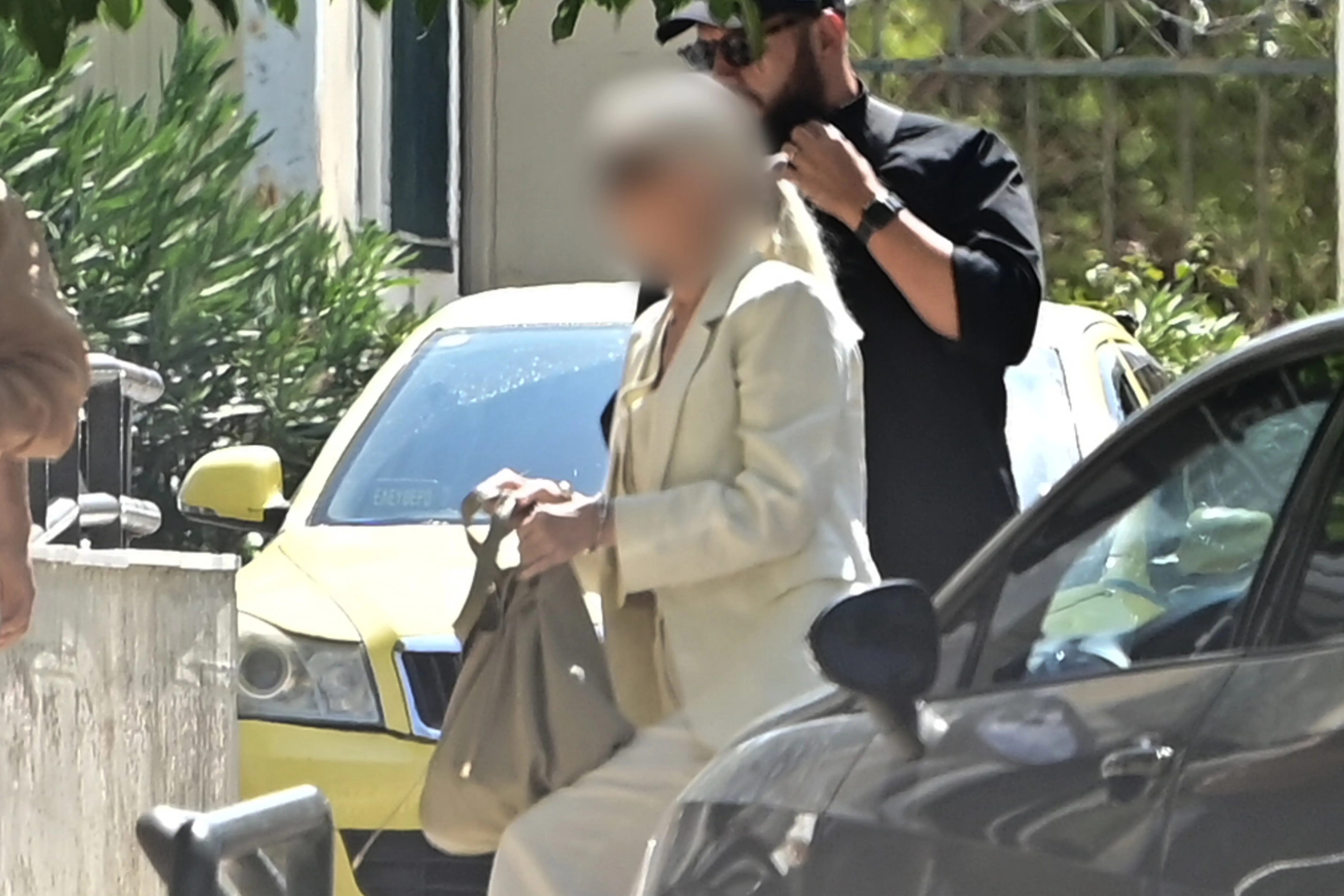
What is the current legal stance of the doctor's defense?
The defense lawyer, Nikos Alexandris, maintains that his client has been entirely truthful in her statements to the investigating magistrate. He argues that the focus of the investigation should shift away from media speculation and toward the concrete medical timeline and professional qualifications of the physician involved.
The lawyer has recently taken over the representation of the 56-year-old doctor. This move comes amid a growing judicial divergence between the two defendants regarding the specific circumstances that led to the death of the famous singer. While the doctor's husband appears to be distancing himself from the incident by attributing responsibility for the hypnotic procedure and the initial emergency response to his wife, she insists that her actions were medically sound and appropriate for the crisis at hand.
Professional credentials and certification
A significant portion of the defense rests on the doctor's professional legitimacy. Mr. Alexandris has explicitly countered claims regarding the validity of her medical expertise, stating that she operates a legal clinic and holds two postgraduate degrees from the National and Kapodistrian University of Athens (EKPA). He emphasized that her qualifications are legitimate and not obtained from questionable overseas institutions, noting that her certifications are officially registered with the relevant medical authorities.
How does the defense explain the timeline of the emergency?
The defense asserts that the critical window of the incident was handled with necessary urgency. According to the lawyer, the event took place at approximately 16:10, and the Emergency Medical Service (EKAB) was summoned just five minutes later, at 16:15. This brief interval, he argues, was used for intensive, life-saving attempts to address the cardiac arrest.
Mr. Alexandris contends that the core of the judicial inquiry should be whether the medical staff performed the correct procedures during those crucial minutes. He dismissed much of the public outcry and media commentary as "philology" that holds little weight in a formal criminal assessment. The defense aims to prove that the medical response was not delayed but was instead a concentrated effort to stabilize the patient before professional paramedics arrived.
Why are there discrepancies in witness testimonies?
The investigation is currently grappling with inconsistencies in the statements provided by various witnesses. Mr. Alexandris pointed out that several individuals have provided testimony multiple times, with some changing their accounts as the investigation progresses. He suggests that these shifts in testimony should themselves be a subject of investigation.
Regarding the initial statements made by the doctor, the lawyer suggested that the shock of the traumatic event could account for minor variations in her early accounts. However, he maintains that the fundamental facts of her involvement remain unchanged. He raised questions about why certain witnesses are only now altering their stories, implying that the reliability of these shifting testimonies must be scrutinized by the court.
What explains the doctor's absence from the ambulance?
One of the points of contention in the case is why the doctor did not accompany the singer in the ambulance during the emergency transport. A nurse's testimony suggested that the doctor arrived with the ambulance but departed shortly after. The defense has provided a logistical explanation for this occurrence.
According to Mr. Alexandris, the ambulance was a high-intensity environment. When a patient requires continuous CPR during transport, the physical space within the vehicle is extremely limited. He noted that while there were four medical responders, only three could fit inside the vehicle due to the space required for life-saving maneuvers. Furthermore, he addressed the use of a chair by the doctor, explaining that because the clinic's elevator could not accommodate a medical stretcher, she had to use the stairs, necessitating the use of a chair to descend.
The role of surveillance and video evidence
To resolve the dispute regarding whether the doctor actually attempted to board the ambulance or left the scene, the defense has requested access to local surveillance footage. Given the clinic's location in Kolonaki, the lawyer expects that the density of security cameras in the area will provide a clear visual record of her movements during the emergency response.
What will the toxicology and communication records reveal?
The defense believes that the ultimate resolution of the Mazonakis case lies in scientific and digital evidence rather than verbal testimonies. The upcoming toxicology reports are expected to be the decisive factor in determining the actual cause of the singer's death. This evidence will either support or refute the theories regarding the substances present in the singer's system at the time of the procedure.
In addition to toxicology, the lawyer intends to request the lifting of privacy protections regarding the communications of the hypnotist involved in the case. He noted that the period following July is of particular importance for this investigation. By analyzing these communications, the defense hopes to uncover the full scope of the events and the involvement of various parties, eventually bringing clarity to the complex web of circumstances surrounding the tragedy.
FAQ: Mazonakis case
What is the main argument of the doctor's defense?
The defense argues that the doctor acted professionally and within her legal rights. Lawyer Nikos Alexandris maintains that her medical certifications from EKPA are valid and that the emergency response initiated during the cardiac arrest was immediate and followed correct medical protocols.
How did the defense respond to the claim of a delayed response?
The lawyer stated that the emergency response was rapid. He noted that the incident occurred around 16:10 and the ambulance was called at 16:15. He argues that the five-minute window was used for critical, life-saving attempts to manage the patient's cardiac arrest.
Why didn't the doctor go in the ambulance with the singer?
The defense claims that the ambulance was too crowded to accommodate more people. Because the paramedics had to perform continuous CPR during transport, the physical space was limited to three responders, leaving no room for the doctor to join the transport.
What role will toxicology play in the investigation?
Toxicology results are expected to be the most critical evidence in the case. The defense believes these tests will definitively identify the cause of death and clarify whether any unauthorized substances contributed to the singer's fatal collapse.
Is there a conflict between the two defendants?
Yes, there is a judicial divergence between the doctor and her husband. The husband appears to be distancing himself from the incident by suggesting that the responsibility for the hypnotic procedure and the initial medical handling lies with his wife.
Key takeaways
- The defense maintains the doctor holds valid postgraduate degrees from EKPA.
- The emergency call was made within five minutes of the incident occurring.
- Toxicology reports are expected to provide the definitive cause of death.
- The defense cites limited ambulance space as the reason the doctor did not accompany the patient.
Conclusion
The Mazonakis case remains a complex legal and medical investigation centered on the tension between professional duty and tragic outcome. While the defense focuses on the doctor's legitimate credentials and the rapid deployment of emergency services, the prosecution and public scrutiny continue to weigh the discrepancies in witness accounts and the circumstances of the hypnotic procedure. As the investigation moves toward analyzing toxicology reports and private communications, the legal community awaits scientific clarity to determine whether the death was a tragic accident or the result of medical negligence. The upcoming judicial findings will be essential in resolving the conflicting narratives presented by the defendants.







