
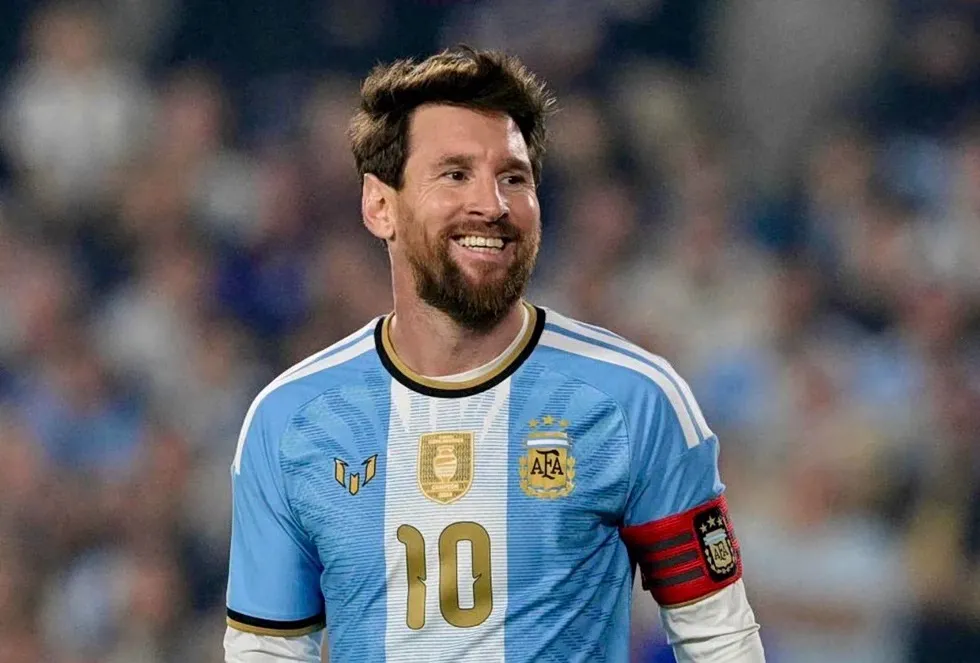
How does the Lionel Messi Argentina retirement affect the national team?
The departure of Lionel Messi creates a dual crisis for the Argentine squad: a significant loss of technical ability and a massive emotional vacuum. While the team remains talented, the psychological anchor that Messi provided for over two decades is gone. According to sports commentator Ariel Senosián of TyC Sports, the absence is felt not just in terms of match performance, but as a loss of collective motivation and emotional drive.
For years, the team's objectives were often centered around the singular goal of ensuring Messi achieved his dream of international glory. This shared purpose unified players and fans alike. Without him, the squad must redefine its identity and find a new way to motivate itself during high-pressure tournaments. The transition will require a fundamental shift in how the team approaches its competitive goals, moving away from a singular focal point toward a more distributed leadership model.
The technical and emotional void
Technically, Messi's ability to dictate play, create chances from nothing, and execute decisive moments is irreplaceable. His presence on the pitch provided a safety net for teammates, allowing them to play with more freedom knowing the 'Pulga' could solve any problem. The transition will require a tactical shift to redistribute the creative responsibilities that were previously concentrated in his hands. The squad must now find ways to generate offensive momentum without the constant threat posed by Messi's individual brilliance.
Emotionally, the impact is even more profound. Fans and players are grappling with a sense of grief. As noted by former international goalkeeper Sergio Goycochea, the era after Messi will be defined by a constant comparison to his presence, which will linger in every memory and every match. Goycochea emphasized that the team must learn to live with the reality that Messi will no longer be present in every game, a realization that brings a sense of anxiety and fear for the future of the national side.
Who is being identified as the successor to the number 10?
Nico Paz is currently the most prominent name being linked to the mantle of Argentina's next great leader. The Como midfielder has captured the attention of fans and analysts alike, particularly following a performance against Benin that showcased his potential. During that match, Paz scored a left-footed volley that many observers noted bore a striking resemblance to Messi's first goal for the national team. This moment has fueled discussions regarding his potential to inherit the iconic number 10 shirt.
While the label of "successor" is applied to him by some, it is important to distinguish between inheriting a role and replicating a legacy. Supporters do not necessarily expect Paz to match Messi's eight Ballon d'Or achievements, but they do look to him to carry the creative torch and the weight of the national team's expectations. The debate continues as to whether a single player can ever truly fill the void left by such a transformative figure, or if the team must look toward a more collective approach.
The rise of Nico Paz
Paz's emergence coincides with a period where Argentina is looking for fresh dynamism. His ability to operate in the attacking midfield zones and his technical proficiency make him a natural candidate for the spotlight. The midfielder, who plays alongside teammate Tassos Douvikas at Como, represents a new generation of talent that the Argentine federation may look to build around. His performance against Benin served as a catalyst for this growing interest.
However, the transition from a promising talent to a national icon is a journey fraught with pressure, especially given the shadow cast by the legends who preceded him. The expectation to follow in the footsteps of both Maradona and Messi is a burden that few players in history have had to carry. As the conversation around his role intensifies, the focus remains on whether he can develop the leadership qualities necessary to guide the Albiceleste through the challenges of international football.
What can we learn from Argentina's historical transitions?
The current uncertainty mirrors the period following Diego Maradona's international retirement in 1994. History suggests that the transition from a singular icon to a new era can be a long and difficult process. After Maradona left the scene, Argentina endured a significant trophy drought that lasted nearly three decades. This period serves as a warning of how much a single player can influence the competitive success of a nation.
Specifically, following the 1993 Copa America triumph, the national team had to wait until 2021 to secure another major title. This 28-year gap represents a period of searching for a new identity and a new way to win. The "post-Maradona era" was characterized by long stretches without major silverware, illustrating the difficulty of maintaining dominance after the departure of a generational talent. The current generation faces the same risk of stagnation if they cannot navigate the transition effectively.
Comparing the Maradona and Messi eras
The transition from Maradona to Messi was a generational shift that eventually led to the most successful period in Argentine football history. The current challenge is to ensure that the post-Messi era does not fall into the same period of stagnation that followed the 1994 World Cup. The team's ability to integrate young talents like Paz into a winning structure will determine whether they can avoid a similar drought.
While the era of Messi brought unprecedented consistency and multiple honors, the shadow of the past remains. The comparison between the two eras is inevitable, as both players served as the heartbeat of the national team. The goal for the current squad is to honor that legacy while building a structure that can survive and thrive without the singular brilliance that defined the last four decades.
How are fans and players reacting to the news?
The reaction from the Argentine public has been a mixture of profound sadness and intense anxiety. For many, Messi was more than just a player; he was a constant presence in the lives of fans. As one 25-year-old fan expressed, the loss feels more significant than losing a World Cup final, describing it as a deep sense of sorrow and tension. The sentiment is that opening the television and not seeing Messi on the pitch is a loss that changes the very fabric of the viewing experience.
The sentiment is shared by the players, who must now adapt to a reality where their primary leader is no longer on the pitch. The challenge lies in moving past the initial shock and fear to build a new culture of leadership that is not dependent on a single individual. The psychological adjustment required for the squad is immense, as they move from a period of certainty to one of profound doubt regarding what will follow.
Navigating the new reality
Ariel Senosián suggests that both players and supporters must learn to live with the new reality. The focus must shift from the individual brilliance of Messi to the collective strength of the squad. While the team possesses excellent players, the psychological adjustment to a "Messi-less" environment will be the true test of their resilience in upcoming international competitions.
The transition is not just about football; it is about the national identity of Argentina. As the country processes the end of the Messi era, the focus will turn to how the next generation of players handles the immense pressure of the number 10 shirt and the expectations of a nation that has grown accustomed to greatness.
FAQ: Lionel Messi Argentina retirement
What was Messi's final match for Argentina?
Lionel Messi's final appearance for the Argentine national team took place during a 3-0 friendly victory against Benin in Buenos Aires. This emotional farewell marked the end of a distinguished 21-year international career with the Albiceleste.
Who is considered the most likely successor to Messi?
Nico Paz, the midfielder currently playing for Como, is frequently mentioned as a potential successor. His recent performances, including a goal against Benin that reminded many of Messi's early career, have positioned him as a leading candidate for the future.
How long was Argentina's trophy drought after Maradona?
Following the era of Diego Maradona, Argentina experienced a 28-year period without a major title. After winning the Copa America in 1993, the team did not secure another significant trophy until 2021.
Is the Argentine team still considered talented without Messi?
Yes, experts like Ariel Senosián suggest that the squad remains full of excellent players. However, they emphasize that his departure is a loss of both technical capability and emotional motivation for the group.
How does the media view Messi's retirement?
The media views it as the end of an era. Commentators highlight that while football will continue, the presence of Messi in every match and memory will leave a permanent void in the national identity.
Key takeaways
- Lionel Messi retired from the Argentina national team after a 21-year career.
- Nico Paz is emerging as a primary candidate to inherit the number 10 role.
- Argentina faced a 28-year trophy drought following the Maradona era.
- The retirement creates both a technical and a profound emotional void for the Albiceleste.
The path forward for the Albiceleste
The retirement of Lionel Messi marks a definitive turning turning point in Argentine football history. The nation now faces the daunting task of transitioning from an era of individual brilliance to one of collective resilience. While the shadow of both Maradona and Messi will undoubtedly loom large over future generations, the emergence of talents like Nico Paz provides a glimmer of hope. The success of the post-Messi era will not be measured by an immediate replacement of his magic, but by the team's ability to forge a new, sustainable identity on the world stage.







