
What are the new requirements for car first aid kits in 2027?
The new regulatory framework mandates that every vehicle must carry a standardized kit containing 16 distinct medical-technological items. This shift ensures that a kit is no longer just a box of miscellaneous supplies, but a functional tool capable of managing real trauma. Previously, many drivers carried insufficient materials, but the new directive specifies exact quantities for various items to ensure they can handle multiple injuries simultaneously.
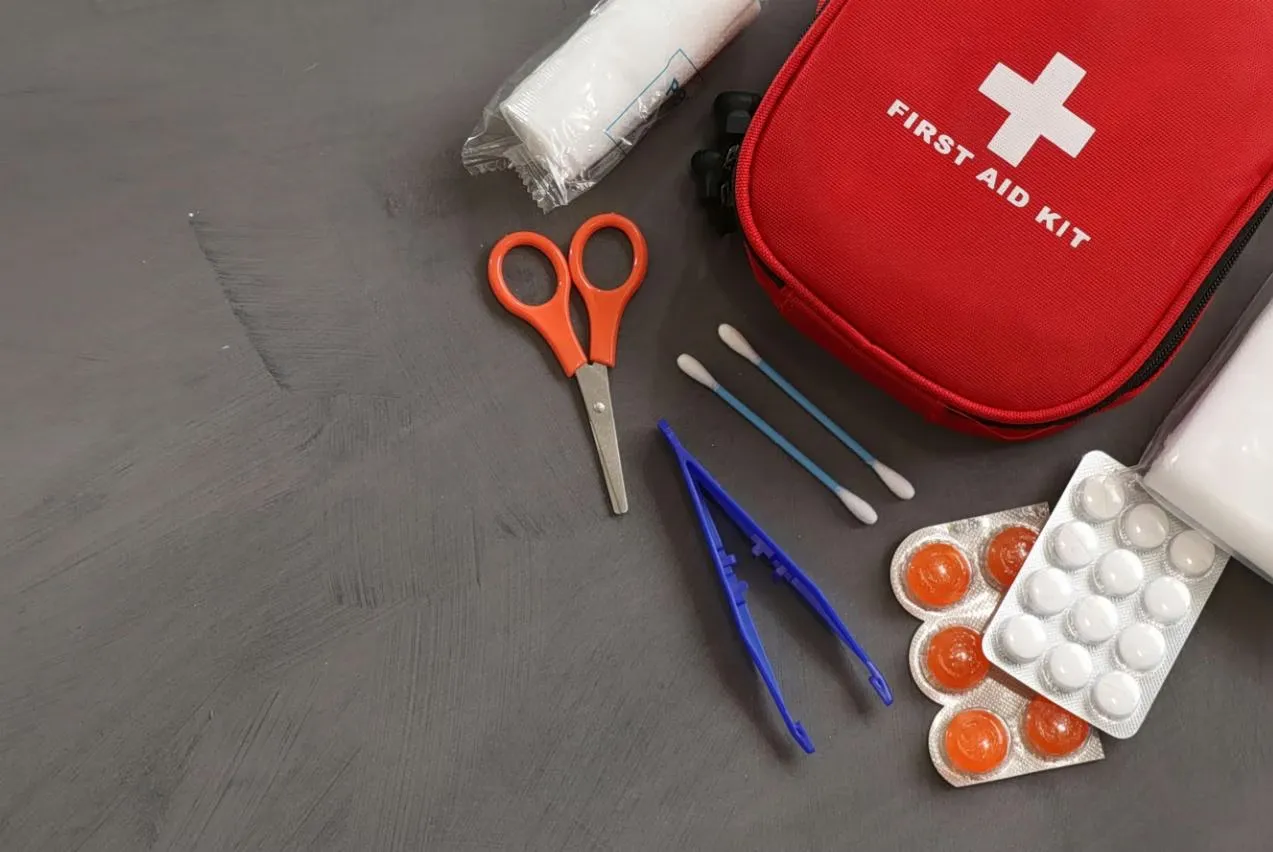
The mandatory contents are designed to address various emergency scenarios, including severe bleeding, burns, and limb injuries. According to Manolis Katsarakis, General Secretary of the Panhellenic Pharmaceutical Association, it is insufficient to carry only a single bandage; for instance, a kit might require six wound dressings to be considered compliant and useful in a real-world emergency. Key components include:
- Elastic bandages of various sizes
- Dressings for wounds and burns
- Fixation bandages
- Securing materials
- Isothermal blankets
- Cleaning wipes
- Protective masks
- Detailed first aid instructions in Greek
This standardized list ensures that the kit is prepared for the complexities of a roadside accident, where a single piece of gauze is rarely enough to manage the situation until professional help arrives.
How can drivers identify a compliant kit?
Drivers must look for specific technical markings on the packaging to ensure the kit meets the new legal and safety standards. A compliant kit is not defined solely by its contents, but also by its certification and the quality of its individual components. Relying on generic kits that lack these specific markings may result in non-compliance once the 2027 regulations take effect.
Understanding DIN and CE markings
To verify that a kit meets the 2027 requirements, consumers should check for the DIN 13164:2022 certification on the external packaging. This specific standard ensures the kit is organized and contains the correct 16 medical items. Furthermore, individual medical-technological products within the kit, such as sterile gauze, must carry the CE marking. This indicates that the components comply with European health, safety, and environmental protection standards.
Additionally, the packaging itself must be robust enough to withstand the environment inside a vehicle. It should protect the medical supplies from dust, moisture, and fluctuating temperatures. Experts also recommend purchasing these kits from authorized pharmacies or specialized medical supply stores, as not all retail outlets are licensed to distribute medical-technological products. Buying from unverified sources may lead to receiving kits that do not meet the necessary medical-grade standards.
Why should medications be excluded from the kit?
The official first aid kit is strictly intended for medical supplies and should not include oral medications. This distinction is crucial due to the extreme temperature fluctuations that occur within a vehicle's interior, particularly during summer months.
High temperatures can degrade the chemical stability and effectiveness of various drugs, rendering them potentially unsafe or useless. Therefore, any personal medications required by passengers during a journey should be kept separately from the official kit. The kit itself should be stored in an easily accessible location that is protected from direct heat exposure, such as under a seat or in a glove compartment. Because of these environmental factors, it is recommended to inspect the condition of the kit's materials at least every two years to ensure they have not deteriorated due to heat.
How can the kit be most effective during an emergency?
The primary value of a car first aid kit is realized during the critical minutes between an accident and the arrival of emergency medical services (EMS). To maximize its effectiveness, drivers must understand how to use the specific tools provided. Materials such as pressure dressings, elastic fixation bandages, and securing materials are vital for controlling hemorrhaging and stabilizing injured limbs.
However, a common mistake among drivers is owning a kit without understanding its contents. In high-stress situations, the presence of multiple types of gauze or different types of dressings can cause confusion. To prevent this, drivers are encouraged to read the included Greek-language instructions in advance. Knowing exactly which material to apply for a burn versus a deep laceration or a sprain can significantly improve the outcome for the victim. The goal is to ensure that the driver is not just a bystander with a box, but a capable first responder.
What steps should drivers take before the 2027 deadline?
Drivers are encouraged to perform an immediate audit of their current automotive medical supplies to prepare for the upcoming transition. While the new rules become mandatory on January 1, 2027, the period leading up to this date serves as an ideal window for compliance checks.
The first step is to open the existing kit and verify that it contains all necessary items in the required quantities. It is equally important to check expiration dates, as expired materials may no longer be sterile or effective. When purchasing a new kit, aim for products with a long shelf life—ideally between four and five years—to reduce the frequency of necessary replacements. By proactively upgrading their kits now, motorists can ensure they are not caught unprepared when the new regulations take full effect.
Frequently asked questions
What is the specific standard for the new kits?
The new kits must adhere to the DIN 13164:2022 standard. This certification ensures the kit contains the correct 16 types of medical items and is packaged appropriately for automotive use, providing a reliable level of preparedness for all drivers.
Can I include my daily medicine in the car kit?
No, medications should not be stored inside the official first aid kit. The extreme temperatures inside a car can compromise the safety and efficacy of drugs. Keep personal medications in a separate, temperature-controlled manner to ensure they remain safe for consumption.
Where is the best place to buy a compliant kit?
The safest option is to purchase your kit from a licensed pharmacy or a specialized medical supply store. Not all general retail shops are authorized to sell medical-technological products, so verifying the seller's credentials is essential for guaranteed compliance.
How often should I check my first aid kit?
Drivers should inspect the condition and expiration dates of their kit materials at least every two years. Regular checks ensure that the supplies remain sterile and that the packaging has not been compromised by the vehicle's environment.
Is it necessary to have instructions in Greek?
Yes, for products distributed in Greece, the instructions must be provided in the Greek language. This ensures that in a moment of crisis, the user can quickly and accurately understand how to apply the medical materials correctly.
Key takeaways
- New mandatory standards for car first aid kits begin on January 1, 2027.
- Kits must contain 16 specific medical items and meet DIN 13164:2022 standards.
- Individual medical components must carry the CE marking for safety assurance.
- Medications should be kept separate from the kit to avoid heat damage.
- Drivers should inspect kit contents and expiration dates at least every two years.
Conclusion
The transition to the new 2027 car first aid kit standards represents a significant step forward in road safety and emergency preparedness. By moving from generic supplies to a regulated, 16-item medical kit, the new rules ensure that drivers have the specific tools necessary to manage trauma before professional help arrives. Success depends on more than just ownership; it requires drivers to purchase certified products, understand their contents, and maintain them against environmental wear. Proactive preparation before the January deadline will ensure that these kits serve their true purpose: saving lives during critical moments.







