The shortlist of European basketball giants
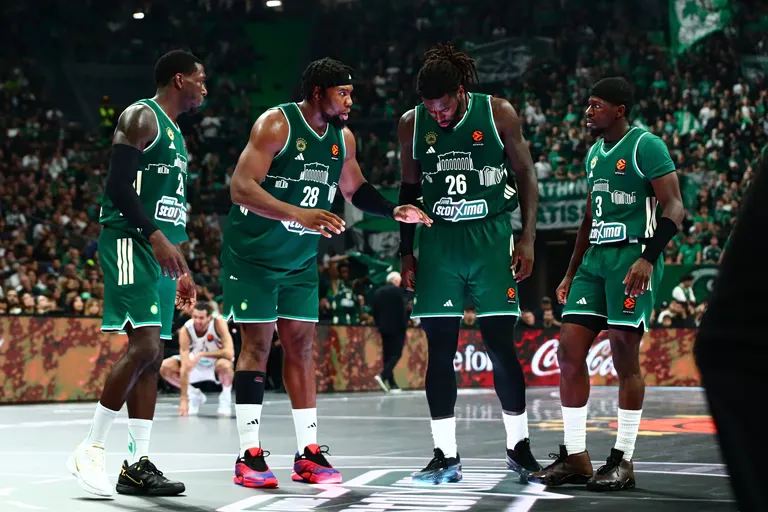
Six prominent EuroLeague clubs have reportedly been included in the NBA's long-term strategic considerations. According to a report by Meridian Sport, these organizations are Real Madrid, Barcelona, Fenerbahçe, Bayern Munich, ASVEL Villeurbanne, and Panathinaikos. The inclusion of these specific teams suggests that the NBA is looking beyond mere interest and is actively mapping out a potential landscape for European involvement.
The selection of these clubs highlights a mix of historical prestige and current competitive dominance. Panathinaikos, alongside Real Madrid and Barcelona, represents the traditional powerhouses of the continent. Meanwhile, the inclusion of teams like Bayern Munich and ASVEL indicates a desire to tap into broader European markets. This targeted approach suggests the NBA is evaluating clubs based on their market reach, infrastructure, and brand value within the international basketball community.
While the report identifies these specific entities, the exact nature of the NBA's interest remains a subject of intense speculation. Whether this involves direct franchise expansion, strategic partnerships, or a hybrid model of cooperation has not been formally confirmed by either league. However, the naming of these six clubs provides a concrete starting point for discussions regarding the future of global basketball governance.
EuroLeague's stance on collective bargaining
EuroLeague leadership is prioritizing a unified front to ensure that any potential deal with the NBA benefits the entire ecosystem rather than just individual clubs. Chus Bueno, the CEO of EuroLeague, has emphasized that while the clubs are open to exploring new prospects, they intend to act as a cohesive group. This collective approach is designed to prevent a fragmented landscape where a few wealthy clubs might negotiate separate deals that undermine the league's overall stability.
The primary tension in these negotiations lies in the balance between individual club ambitions and collective league interests. According to the Meridian Sport report, the EuroLeague clubs are prepared to examine a shared path with the NBA, provided that two critical conditions are met:
- Economic Terms: The financial framework must be acceptable and sustainable for the European sporting model.
- Decision-Making Power: Clubs must secure a substantive role in the governance and decision-making processes of any new arrangement.
By insisting on a collective stance, the EuroLeague aims to protect its existing structure while navigating the immense commercial pressure that an NBA partnership would bring. This strategy seeks to ensure that the expansion of the basketball footprint does not come at the cost of the European clubs' autonomy.
The transition toward a franchise-based model
The EuroLeague is currently exploring its own internal evolution, which includes the potential creation of a franchise-style model. This move would align the European competition more closely with the structure used by the NBA, potentially facilitating easier integration or cooperation between the two entities. This internal restructuring is being considered alongside the possibility of expanding the tournament's reach and scale.
This shift toward a franchise model represents a fundamental change in how European basketball is organized. Traditionally, European clubs have operated under a system of promotion, relegation, and multi-sport club structures. Moving toward a franchise model would prioritize commercial stability and centralized control, mirroring the American approach to professional sports. This evolution could serve as a bridge, making the prospect of NBA cooperation more tangible.
Despite the potential for disruption, the EuroLeague has not ruled out further discussions with the NBA. The prospect of a partnership remains on the table, with the ultimate outcome depending on how the financial and structural requirements of both sides are reconciled. The ongoing evolution of the EuroLeague suggests that the organization is preparing for a future where the boundaries between European and American basketball become increasingly blurred.
Frequently Asked Questions
Which clubs are included in the NBA's potential plans?
According to the Meridian Sport report, the six European clubs identified are Panathinaikos, Real Madrid, Barcelona, Fenerbahçe, Bayern Munich, and ASVEL Villeurbanne. These teams represent a cross-section of the most influential and commercially viable organizations currently competing in the EuroLeague ecosystem.
What are the EuroLeague's conditions for cooperation?
The EuroLeague clubs require that any agreement with the NBA includes favorable economic terms and provides them with a significant role in decision-making. CEO Chus Bueno has stated that the clubs wish to approach such negotiations as a unified group rather than as individual entities.
Is the EuroLeague moving toward an NBA-style model?
Yes, the EuroLeague is currently investigating the possibility of implementing a franchise-based model. This internal development is part of a broader strategy to expand the competition and potentially create a more compatible framework for future cooperation with the NBA and other global entities.