
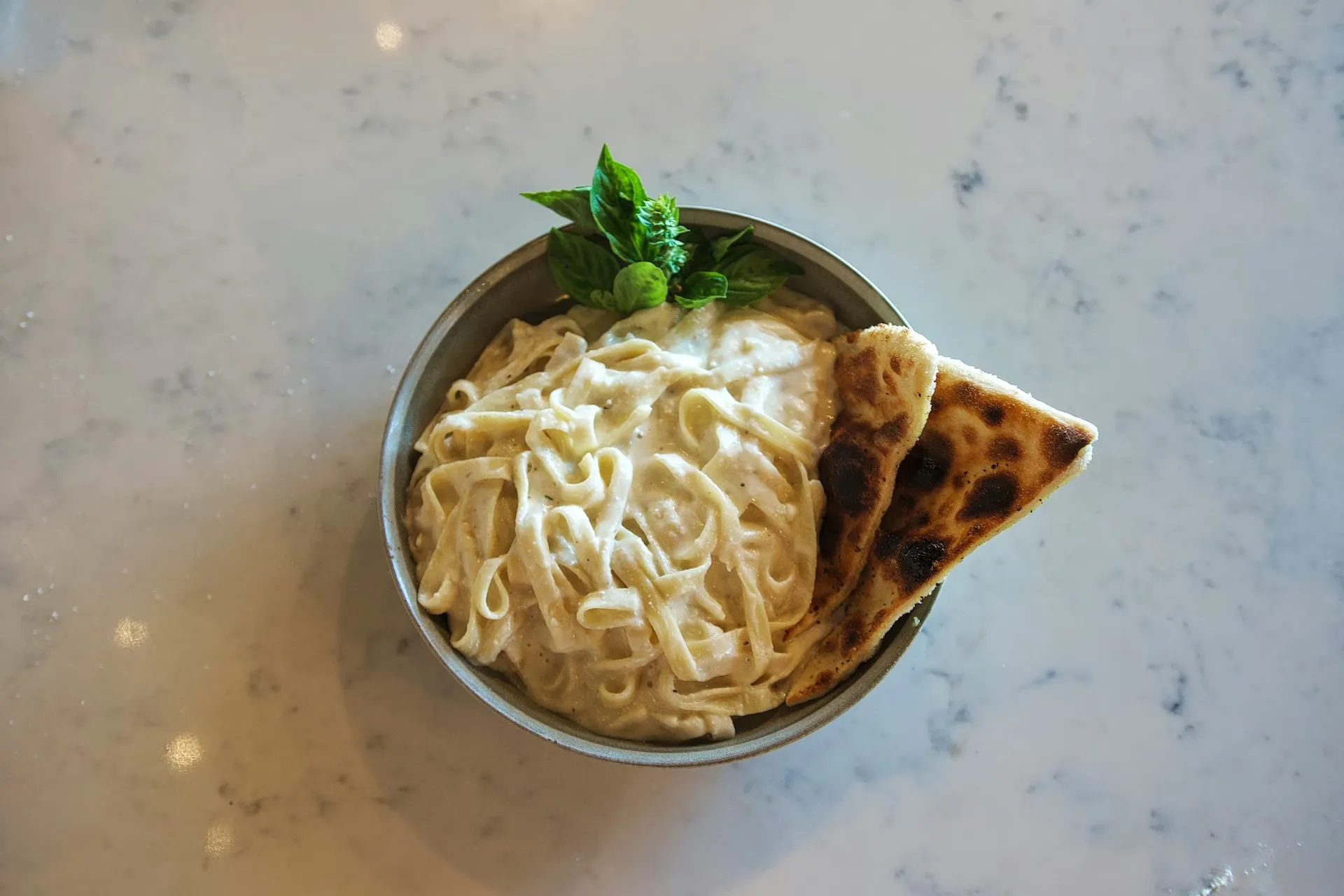
The Appeal of a Creamy Yogurt-Based Pasta Sauce
A pasta with yogurt sauce recipe provides a sophisticated alternative to heavy, dairy-laden sauces that often dominate Mediterranean and Western cooking. By utilizing Greek-style strained yogurt, you achieve a thick, velvety consistency that clings to the pasta without the caloric density of heavy cream or butter. This method relies on acidity and freshness to elevate the flavor profile.
The core of this dish lies in the balance between the richness of the yogurt and the brightness of citrus. Unlike warm sauces that require constant stirring over heat, this yogurt sauce is designed to be served slightly cooled or at room temperature. This characteristic makes it a versatile option for meal prepping or for serving during outdoor gatherings where temperature control is difficult. The addition of aromatics like garlic and fresh herbs ensures that the sauce remains savory rather than just tangy.
Why Choose Yogurt Over Cream?
Using yogurt introduces probiotics and a distinct tanginess that cuts through the starch of the pasta. It offers a lighter mouthfeel, which is particularly beneficial when paired with hearty, thick pasta shapes that can otherwise feel overwhelming in a single sitting.
Essential Ingredients for the Perfect Sauce
To execute this recipe successfully, the quality of your ingredients is paramount, especially since the sauce is not cooked, meaning every component is tasted in its raw state. The foundation requires 350g of thick, strained yogurt to ensure the sauce is stable and does not become watery.
The flavor architecture is built upon several key elements:
- Pasta: 400g of thick pasta shapes are recommended. Thicker shapes provide more surface area for the creamy sauce to adhere to.
- Citrus: One whole lemon is used for both its juice and zest, providing the necessary acidity to balance the yogurt.
- Aromatics: A single small clove of crushed garlic provides a pungent backbone, while 2 tablespoons of olive oil add a smooth finish.
- Fresh Herbs: The recipe calls for 2 tablespoons each of finely chopped dill and mint. These herbs are the primary flavor carriers.
- Cheese: 50g of grated Parmesan or kefalotyri (a Greek hard cheese) adds saltiness and umami.
- Seasoning: Freshly ground pepper and salt to taste.
Selecting high-quality, fresh herbs is non-negotiable here. Since the dill and mint are not tempered by heat, their volatile oils provide the primary aromatic experience of the dish.
Step-by-Step Preparation Guide
Preparing this dish is remarkably efficient, making it a go-to for those seeking a high-quality meal with minimal kitchen time. The process focuses on timing the pasta cook with the sauce assembly to ensure the textures remain distinct.
Cooking the Pasta
Begin by boiling your 400g of pasta in salted water. It is crucial to follow the package instructions strictly to achieve an 'al dente' texture. This firmness is vital because the pasta will be tossed with a cool or lukewarm sauce; if the pasta is overcooked and soft, it will lose its structural integrity when mixed with the yogurt.
Assembling the Yogurt Base
While the pasta is cooking, prepare the sauce in a separate mixing bowl. Combine the 350g of strained yogurt with the lemon juice, lemon zest, olive oil, and the crushed garlic. Once these are integrated, fold in the chopped dill and mint. Finally, stir in the 50g of grated cheese along with salt and freshly ground pepper. This allows the flavors to meld while you finish the pasta.
Combining and Serving
Once the pasta is ready, drain it and allow it to cool slightly. You have two serving options: you can either spread the yogurt sauce on the base of the plate and mound the pasta on top for a beautiful presentation, or you can mix the pasta directly into the bowl with the sauce for a more cohesive bite. To finish, garnish generously with extra sprigs of dill or thyme, mint, and a final dusting of lemon zest to enhance the aroma.
Pro Tips for Enhancing Flavor and Texture
To take this pasta with yogurt sauce recipe to a professional level, consider the temperature of your ingredients. If the pasta is too hot when added to the yogurt, the sauce may break or become too liquid. Aim for a warm, rather than steaming, pasta temperature.
Furthermore, the choice of cheese can significantly alter the regional character of the dish. Using Parmesan will lean toward a more international, nutty profile, while using a Greek hard cheese like kefalotyri will emphasize the Mediterranean roots of the recipe. For added texture, some cooks prefer to add toasted pine nuts or even small pieces of cucumber for an extra layer of freshness and crunch.
Frequently Asked Questions
Can I use regular yogurt instead of strained yogurt?
It is not recommended to use regular, liquid yogurt for this recipe. Strained yogurt (like Greek yogurt) has a much higher viscosity, which allows the sauce to coat the pasta effectively. Regular yogurt may result in a watery consistency that pools at the bottom of the plate.
How do I prevent the sauce from becoming too sour?
The acidity comes primarily from the lemon juice and the yogurt itself. To prevent excessive sourness, add the lemon juice gradually and taste as you go. You can also balance the acidity by increasing the amount of olive oil or adding a slightly larger portion of grated cheese.
What are the best pasta shapes for this sauce?
Thicker, textured shapes work best. Fusilli, penne, or even thick spaghetti are excellent choices because their shapes are designed to catch and hold onto creamy sauces. Avoid very thin pasta like angel hair, as the heavy yogurt sauce may overwhelm the delicate strands.
Final Thoughts on This Refreshing Pasta
This pasta with yogurt sauce recipe is a testament to how simple, fresh ingredients can create a complex and satisfying meal. By focusing on the interplay between creamy yogurt, bright citrus, and aromatic herbs, you create a dish that is both nourishing and light. Whether you are looking for a quick weekday dinner or a refreshing summer lunch, this preparation offers a versatile and delicious solution that breaks away from traditional, heavy pasta norms.







