
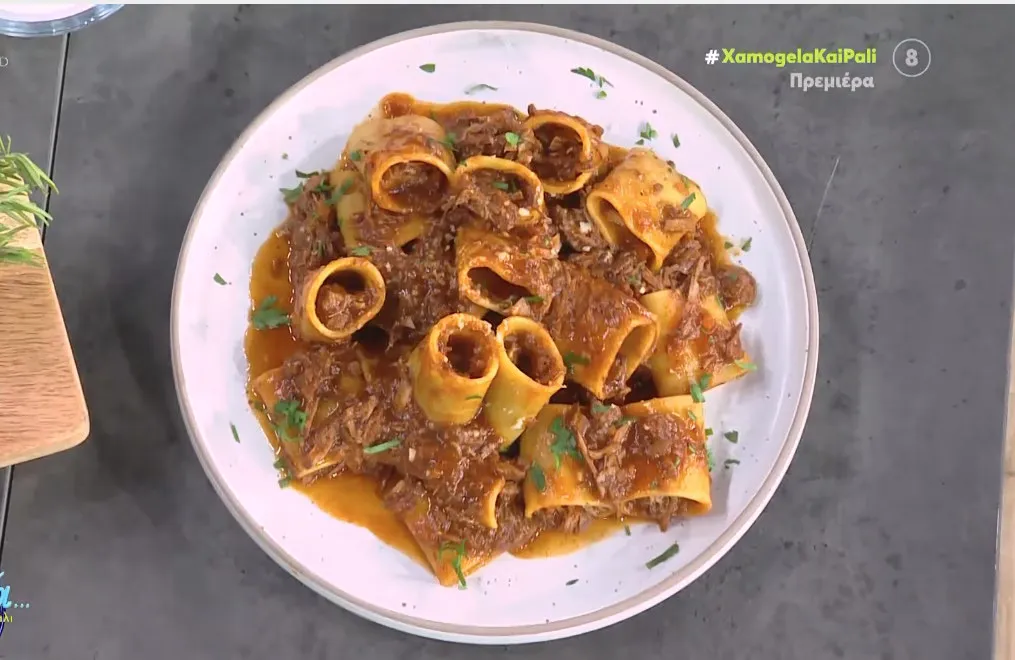
A beef ragout recipe is the ultimate solution for creating a rich, aromatic meal with meat that literally melts in your mouth. This specific preparation, shared by chef Argyros Barbarigou on the MEGA show "Chamosela kai pali!", utilizes 1,200g of beef rib to produce a deep, savory sauce. By following precise searing and simmering techniques, you can transform tough cuts into a gourmet experience. This guide details the necessary ingredients, the professional searing process, and the slow-cooking steps required for a perfect result.
What are the essential ingredients for a professional beef ragout?
The foundation of a high-quality beef ragout lies in the selection of meat and the balance of aromatic vegetables. For this recipe, 1,200g of beef rib (spalomuta) is required, as this cut provides the necessary fat and connective tissue to ensure tenderness during long cooking periods. The meat should be cut into small, uniform portions to ensure even cooking.
To build the aromatic base, you will need the following components:
- Vegetables: 2 finely chopped carrots, 1 large onion, and 1 teaspoon of finely chopped celery.
- Aromatics and Flavor Boosters: 1 clove of crushed garlic and 1 tablespoon of tomato paste.
- Liquids: 1/4 cup of olive oil for searing, 1.5 cups of red wine for deglazing, 2 cups of grated or finely chopped tomatoes, and 1.5 cups of hot water.
- Herbs and Seasoning: 1 sprig of thyme, 1 sprig of rosemary, salt, pepper, and fresh parsley for garnish.
The choice of pasta is also critical for the final presentation. Wide pasta shapes, such as pappardelle or paccheri, are recommended to catch the thick, hearty sauce.
How do you properly sear meat for maximum flavor?
Searing the meat is the most crucial step for developing the Maillard reaction, which provides the deep color and complex flavors characteristic of a great ragout. Before the meat touches the pan, it is vital to dry the beef thoroughly. Moisture on the surface of the meat will cause it to steam rather than sear, resulting in a grey, unappetizing texture.
Once the meat is dry, place it in a bowl and coat it evenly with a small amount of olive oil. This ensures that every surface is prepared for high-heat contact. When you are ready to cook, heat a pot over medium-to-high heat. The goal is to create a rich crust on all sides of the beef portions.
The importance of batch searing
A common mistake in home cooking is overcrowding the pan. If you add all 1,200g of meat at once, the temperature of the oil will drop significantly. This leads to the meat releasing juices and boiling in its own liquid. To avoid this, sear the meat in small batches. This maintains the high temperature required to achieve a golden-brown crust on every piece.
What is the correct process for building the sauce?
After the meat has been seared and removed, the same pot should be used to cook the vegetables, as the browned bits left at the bottom (the fond) contain concentrated flavor. Add the remaining olive oil to the pot and sauté the onion, carrot, and celery for approximately 3 to 4 minutes until they soften.
Next, incorporate the tomato paste and the crushed garlic. Sauté these for an additional minute to cook out the raw taste of the paste and release the garlic's aroma. The deglazing stage follows immediately. Pour in the red wine and allow it to simmer until the liquid has reduced by half. This reduction concentrates the wine's flavor and removes the harshness of the alcohol, leaving behind a sophisticated base for the sauce.
Once the wine is reduced, add the tomatoes and 1.5 cups of hot water, ensuring the liquid covers the meat. Add the thyme and rosemary sprigs to infuse the sauce with herbal notes. This combination of acidity from the tomatoes, richness from the wine, and earthiness from the herbs creates the complex profile required for a professional-grade ragout.
How long should the beef be slow-cooked?
Slow cooking is a matter of patience, as it allows the tough connective tissues in the beef rib to break down into gelatin. Once the liquid reaches a boil, reduce the heat to low and cover the pot. The meat should simmer gently for approximately 1.5 hours.
After the initial 90-minute simmer, the meat will have softened significantly. At this stage, use two forks to gently break apart the larger chunks of beef directly within the sauce. This technique integrates the meat fibers into the liquid, creating a cohesive, thick texture. Continue cooking for another 30 minutes without the lid. This final stage allows the sauce to thicken and bind with the meat, reaching the desired consistency.
Finally, remove the pot from the heat and let the ragout rest, covered, for 10 minutes. This resting period allows the flavors to settle and the juices to redistribute, ensuring every bite is succulent.
How should the beef ragout be served?
Presentation and final seasoning are the last steps in elevating a home-cooked meal to restaurant quality. The ragout is best served over wide, hearty pasta like pappardelle or paccheri, which provides the structural integrity needed to hold the heavy sauce. To finish the dish, sprinkle freshly chopped parsley over the top for a burst of color and freshness.
For an extra layer of richness, add a generous amount of finely grated cheese, such as Kefalotyri, over the warm pasta. This adds a salty, sharp note that complements the deep, savory flavors of the slow-cooked beef and red wine sauce.
Frequently asked questions
Can I use a different cut of meat for this recipe?
Yes, you can use other tough cuts like chuck or brisket. The key is to use meat with adequate fat and connective tissue that benefits from long, slow cooking. Avoid lean cuts like fillet, as they will become dry and stringy during the long simmering process.
Why is it important to use hot water instead of cold?
Using hot water prevents the temperature of the sauce from dropping too sharply when you add the liquid. A sudden temperature drop can stall the cooking process and affect the way the fats and proteins emulsify into the sauce, potentially resulting in a thinner consistency.
What can I use if I don't have red wine?
If you prefer not to use alcohol, you can substitute the red wine with a high-quality beef stock combined with a small amount of balsamic vinegar. This will provide the necessary acidity and depth, though the flavor profile will be slightly different from the original recipe.
How long can I store the leftover ragout?
Beef ragout is an excellent dish for meal prepping. It can be stored in an airtight container in the refrigerator for up to 3 to 4 days. In many cases, the flavor actually improves after a day or two as the spices continue to infuse the meat.
Can I make this recipe in a slow cooker?
Yes, you can adapt this for a slow cooker. Follow the searing and sautéing steps in a pan first to develop flavor, then transfer everything to the slow cooker. Cook on low for 6 to 8 hours until the meat is tender and the sauce has thickened.
Key takeaways
- Use 1,200g of beef rib for the best texture and flavor.
- Always dry the meat before searing to ensure a proper crust.
- Sear meat in batches to maintain high pan temperatures.
- Simmer for 1.5 hours, then break meat apart for 30 more minutes.
- Serve with wide pasta like pappardelle and grated cheese.
Conclusion
Mastering a beef ragout recipe requires attention to detail, particularly during the initial searing and the subsequent slow-cooking phases. By focusing on building layers of flavor—from the sautéed aromatics and tomato paste to the red wine reduction—you create a dish that is far more complex than a simple stew. The technique of breaking the meat into the sauce ensures a luxurious, cohesive texture that pairs perfectly with wide pasta. Whether served as a comforting family meal or a sophisticated dinner, this method guarantees a result that is consistently tender and deeply satisfying.







