
Why is the Piraeus Line 1 undergrounding a priority for the city?
The undergrounding of the Line 1 metro section from Neos Faliro to the Piraeus port is a central pillar of the city's long-term urban strategy. According to Piraeus Mayor Giannis Moralis, this initiative represents a demand that the municipality has been advocating for approximately 25 years. The project is viewed not merely as a local transport fix but as a transformative development for the entire metropolitan area.
The necessity of the project is driven by several key factors that impact both the local residents and the wider region:
- Urban Connectivity: Moving the tracks underground would remove physical barriers within the city, allowing for better integration of neighborhoods that are currently split by surface rail.
- Environmental Impact: Reducing surface-level rail operations can mitigate noise pollution and improve the local microclimate, contributing to a more livable urban environment.
- Social Benefits: The project is expected to enhance the quality of life for residents by reclaiming surface space for public use, such as parks or pedestrian walkways.
- Economic Development: Improved infrastructure typically correlates with increased property values and commercial activity in the surrounding areas, revitalizing the urban core.
Mayor Moralis emphasized that the project has a "supra-local and metropolitan character," noting that it is intrinsically linked to the operation of Greece's largest port. The scale of the operation is underscored by the fact that more than 16 million citizens use the route to and from Piraeus annually, making it a vital artery for national transport.
How mature is the technical preparation for the project?
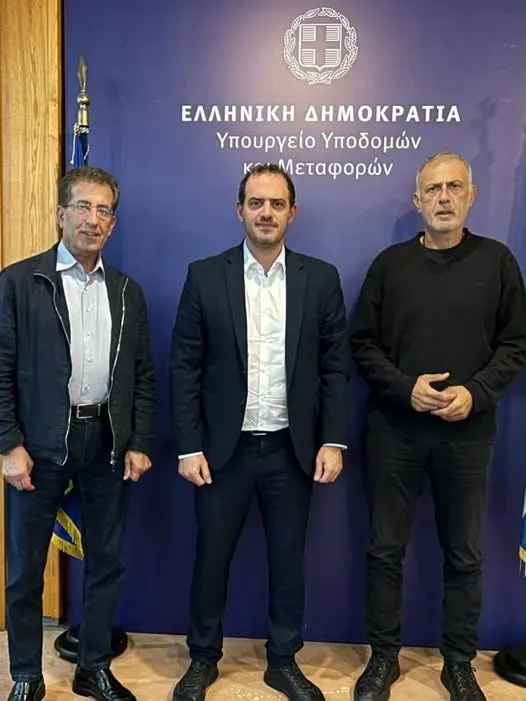
The project has reached a significant level of technical maturity, with essential studies already completed and regulatory frameworks in place. During recent discussions with the Deputy Minister of Infrastructure and Transport, Giorgos Kotsiras, it was highlighted that the necessary technical processing has been extensive. Following the submission of a dossier to the Prime Minister, the Mayor met with Kotsiras to discuss a series of issues affecting Piraeus, with the Line 1 undergrounding being the most prominent.
A crucial aspect of this readiness is the validity of the current environmental terms. The project is not starting from scratch; rather, it is building upon years of technical work and approved documentation.
Environmental and Regulatory Status
One of the most vital components of the project's current status is the environmental compliance. The approved environmental terms for the Line 1 undergrounding remain valid until 2027. This window provides a critical timeframe for the government to move from the discussion phase to the implementation phase. The existence of these valid terms suggests that the foundational legal and environmental hurdles have largely been cleared, provided that the decision-making process is expedited.
The municipality is currently working on providing documented proposals to the state to ensure that the transition from planning to construction is seamless. The goal is to move beyond theoretical discussions and secure a definitive government decision that allows for the commencement of the next developmental stage. The Mayor has expressed his belief that the time has come to move from discussion to decision, and from decision to implementation.
What are the archaeological challenges facing the construction?
The potential discovery of antiquities remains one of the most complex variables in the Piraeus Line 1 undergrounding project. Given the historical depth of the Piraeus region, any large-scale excavation carries the inherent risk of uncovering significant archaeological finds. This issue was a primary point of discussion in the meeting between Mayor Moralis and Deputy Minister Giorgos Kotsiras.
The municipality's stance on this issue is one of balanced preservation. While acknowledging that the protection of cultural heritage is a fundamental prerequisite for any project in Piraeus, the Mayor has argued that the possibility of finding artifacts should not serve as a reason to abandon the project entirely. Instead, the strategy involves integrating archaeological safeguarding into the construction process.
To manage these risks, the project must account for several critical factors:
- Systematic Excavation: Implementing rigorous archaeological oversight during all digging phases to ensure that any finds are documented and preserved.
- Adaptive Engineering: Maintaining the flexibility to adjust construction paths if significant finds are encountered, ensuring that heritage is not lost to progress.
- Heritage Integration: The municipality views the protection of cultural heritage as a core requirement, suggesting that the project must find a way to coexist with the historical identity of the city.
What is the expected impact on the Piraeus metropolitan area?
The successful implementation of the Line 1 undergrounding is expected to fundamentally alter the landscape and functionality of Piraeus. Because the line serves as a vital artery for the country's largest port, the improvements extend far beyond the immediate tracks. The project is designed to facilitate the movement of the 16 million annual passengers more efficiently, reducing surface congestion and improving the flow of people to and from the port.
By moving the metro underground, the city can reclaim significant portions of its surface area. This reclaimed land can be repurposed for various urban improvements:
- Green Spaces: Increasing the amount of vegetation and parks in a densely populated urban environment, helping to combat the urban heat island effect.
- Pedestrian Zones: Creating safer, more walkable streets that encourage tourism and local commerce by making the city more accessible to people on foot.
- Improved Traffic Flow: Reducing the intersection of rail and road traffic, which improves safety and reduces transit times for vehicles navigating the city.
The transition from "discussion to decision" and finally to "implementation" is seen by local leadership as the necessary path to achieving these transformative urban benefits, which would significantly change the image and function of Piraeus.
FAQ: Piraeus Line 1 undergrounding
What is the scope of the Line 1 undergrounding project?
The project focuses on moving the existing metro tracks underground for the section spanning from Neos Faliro to the Piraeus port. This aims to improve urban connectivity and reduce the impact of surface-level rail on the city's layout and environment.
How long has this project been a demand of the Piraeus municipality?
The undergrounding of Line 1 has been a long-standing request from the city of Piraeus for approximately 25 years. Local leaders have consistently advocated for the project to address the needs of the metropolitan area and its residents.
What is the current status of the project's environmental permits?
The project currently holds approved environmental terms that remain valid until 2027. This provides a critical regulatory window for the government to finalize decisions and begin the construction process before these terms expire.
How will archaeological finds affect the construction?
While the discovery of antiquities is a significant possibility due to the area's history, the municipality maintains that it should not prevent the project. Instead, archaeological protection is treated as a prerequisite that must be integrated into the construction and engineering plans.
How many people are affected by this metro line?
The Line 1 metro service is a vital piece of infrastructure for the region, facilitating the daily movement of more than 16 million citizens to and from Piraeus annually.
Key takeaways
- The project covers the metro section from Neos Faliro to the Piraeus port.
- The municipality has been requesting this undergrounding for roughly 25 years.
- More than 16 million passengers utilize this specific metro line annually.
- Approved environmental terms for the project are valid until 2027.
- The project aims to provide significant social, environmental, and developmental benefits.
Conclusion
The Piraeus Line 1 undergrounding represents a pivotal moment for the city's urban evolution. After a quarter-century of advocacy, the project has reached a stage of technical maturity where environmental permits are active and studies are complete. While the archaeological complexities of the region require careful management, the potential benefits—ranging from improved passenger flow for 16 million users to enhanced urban livability—are substantial. The upcoming period will be decisive as the Greek government moves toward a final decision, transitioning the project from a long-held municipal ambition into a tangible infrastructure reality.







