
What is the focus of the Prince Harry grief MasterClass?
The Prince Harry grief MasterClass, titled "Redefining Grief: Building Resilience Through Loss," is a collaborative project between the Duke of Sussex and neuroscientist Dr. Mary-Frances O'Connor. The course aims to delve into the biological and emotional complexities of mourning, specifically examining how individuals can learn to navigate life after significant loss. Rather than offering purely clinical advice, the program uses Harry's personal experiences to ground scientific concepts in human reality.
The production of the course took place in California during the summer of 2026. It was strategically released to coincide with World Mental Health Day on October 10. Beyond its educational intent, the initiative serves a philanthropic purpose. All proceeds from the MasterClass are directed toward two charitable organizations dedicated to supporting those experiencing bereavement: Comfort Zone Camp and Scotty’s Little Soldiers, an organization Harry has supported for many years.
The scientific and philanthropic intersection
By combining neuroscience with lived experience, the course attempts to bridge the gap between academic understanding of grief and the daily struggle of those suffering from loss. The involvement of Dr. O'Connor provides a framework for understanding how grief affects the brain, while Harry's narrative provides the emotional resonance necessary for a global audience. This dual approach is designed to foster resilience, helping viewers move from a state of paralysis to one of adaptive living.
How has Prince Harry's relationship with Princess Diana's memory evolved?
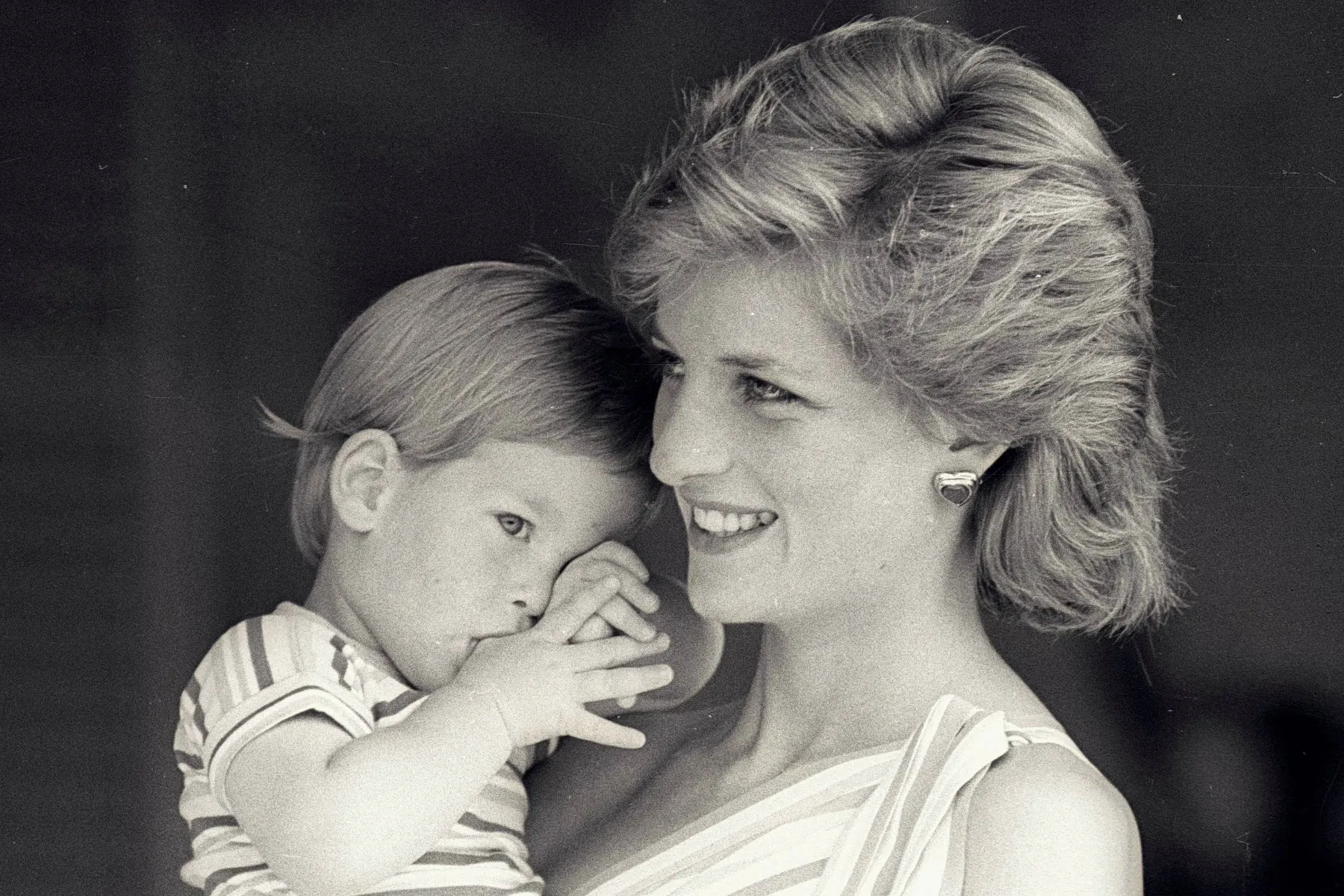
Prince Harry's relationship with his mother's memory has undergone a radical transformation from avoidance and guilt to a sense of guidance and connection. In the early years following the 1997 car accident in Paris, Harry admitted to feeling emotionally numb. At the time, he was only 12 years old, and the trauma of the loss led to a period of psychological defense mechanisms.
For a significant portion of his young adulthood, Harry struggled with a phenomenon often described as survivor's guilt. He shared that he felt a sense of betrayal or "infidelity" at the prospect of experiencing happiness without his mother. This guilt manifested as a requirement to remain sad or emotionally muted as a way to prove his ongoing devotion to her memory. He noted that he often avoided looking at her photographs because the pain of the loss felt too overwhelming to confront.
The turning point came when Harry realized that his mother's primary wish for him was to find happiness. This realization provided a profound psychological liberation, allowing him to view his life not as a betrayal of her memory, but as a continuation of the joy she would have wanted for him. Today, he describes a relationship where he seeks her counsel during difficult moments, often asking for guidance when facing life's challenges.
What role does the iconic 1995 portrait play in his mourning?
A specific portrait of Princess Diana, captured by renowned French photographer Patrick Demarchelier, serves as a central touchstone for Harry's reflections on loss. The photograph, originally published in a special issue of Harper’s Bazaar in December 1995, remains a powerful link to his mother. Harry describes a unique ability to feel a connection through the image, noting a "scandalous note" in her smile that makes the portrait feel alive.
Harry reveals that he often finds himself staring at the photograph, searching for a change in her expression that never comes, yet the act of looking provides a sense of presence. He frequently asks himself what she would think of his current life and actions. This interaction with the image is not merely an act of nostalgia but a tool for introspection and a way to maintain a dialogue with her spirit.
How does Harry connect his humanitarian work to his mother's legacy?
Prince Harry views his current philanthropic endeavors as a direct extension of the values and causes championed by Princess Diana. He has observed that the work which naturally attracts and engages him is strikingly similar to the humanitarian paths his mother walked. This alignment has transformed his sense of duty from a heavy responsibility into a source of personal energy.
He describes the experience of grief as "carrying the face of the person you lost throughout your entire life." For Harry, this is not a burden of sorrow, but a vital part of his identity that fuels his purpose. By protecting and continuing her legacy, he finds a way to keep her presence active in the world, ensuring that her impact on global humanitarian issues remains a living force.
The concept of "energy" and coincidence
Harry also touches upon more spiritual or intuitive aspects of his connection to Diana. He describes experiencing moments where he feels her presence in a way that defies simple explanation, often occurring during significant life events over the last six years. He refers to these moments as "energy" or "signs" that bring him laughter and a sense of comfort, suggesting that these coincidences serve as a tangible link to her enduring influence.
What is the future of Prince Harry's tribute to Princess Diana?
As the 30th anniversary of Princess Diana's death approaches in 2027, Harry is reportedly exploring various ways to honor her lasting impact. While the MasterClass serves as a significant educational and charitable tribute, there are indications that further projects may be in development. According to reports from People magazine, the Duke is considering the creation of a documentary to further explore her life and legacy.
However, no specific documentary projects have been officially confirmed or finalized at this stage. The focus remains on the immediate impact of the MasterClass and the ongoing work of the charities it supports. For now, Harry's tribute is characterized by a blend of scientific exploration of grief and a deeply personal commitment to the humanitarian values that defined his mother's life.
Frequently asked questions
What is the purpose of the "Redefining Grief" MasterClass?
The MasterClass is designed to help individuals build resilience through loss by exploring the neuroscience and psychology of grief. It combines the personal experiences of Prince Harry with the scientific expertise of Dr. Mary-Frances O'Connor to provide practical insights into navigating bereavement and emotional recovery.
Which charities benefit from the MasterClass proceeds?
All proceeds from the MasterClass are donated to two specific organizations: Comfort Zone Camp and Scotty’s Little Soldiers. Both charities focus on providing support and resources to children and young people who have experienced the loss of a loved one.
How did Prince Harry deal with grief as a child?
Following the death of Princess Diana in 1997, Harry experienced significant emotional numbness. As a 12-year-old, he struggled with the weight of the loss and often avoided thinking about his mother or looking at her photos to prevent the overwhelming pain of her absence.
Does Prince Harry feel guilty about being happy?
Yes, for many years Harry felt a sense of guilt, believing that being happy without his mother was a form of betrayal. He felt he needed to remain emotionally subdued to prove his love, but he eventually realized that his mother would have wanted him to find joy.
Is Prince Harry making a documentary about Princess Diana?
While there are reports that Prince Harry is considering creating a documentary to honor his mother's legacy as the 30th anniversary of her death approaches, no such project has been officially confirmed or finalized at this time.
Key takeaways
- The MasterClass "Redefining Grief" explores the neuroscience of loss with Dr. Mary-Frances O'Connor.
- Proceeds from the course support Comfort Zone Camp and Scotty’s Little Soldiers.
- Harry transitioned from feeling "infidelity" in happiness to seeing joy as his mother's true wish.
- The Duke uses his humanitarian work to actively protect and continue Princess Diana's legacy.
Conclusion
Prince Harry's involvement in the "Redefining Grief" MasterClass represents a significant shift in how he approaches his personal history and public role. By moving from a place of silent, guilt-ridden mourning to one of active, resilient engagement, he has transformed his relationship with loss. This journey not only offers a roadmap for others navigating bereavement but also serves to solidify the humanitarian legacy of Princess Diana. Through science, philanthropy, and personal reflection, Harry continues to find a way to carry his mother's influence into the future, turning individual grief into a collective tool for healing and resilience.







