
How were the stolen Renoir paintings recovered?
The recovery of the two Auguste Renoir paintings marks the conclusion of a high-stakes, month-long investigation into a brazen theft at the Renoir Museum in Cagnes-sur-Mer. While the authorities have officially confirmed that the artworks are back in their possession, they have maintained a level of discretion regarding the specific conditions or locations under which the pieces were ultimately found. The investigation has already yielded significant results, leading to the arrest of six individuals linked to the burglary.
The timeline of the crime traces back to September 8, 2026, when the theft was first reported. According to details provided by the BBC, the perpetrators executed a calculated entry into the museum building by cutting through the perimeter fence and breaking a window. Once inside, the thieves employed an electric saw to physically detach the paintings from their mounts. The operation demonstrated a specific, if somewhat chaotic, intent; while the thieves initially removed four works from the premises, they abandoned two of them in the museum's garden during their escape. While those two paintings left in the garden were located relatively quickly, the remaining stolen works remained missing for approximately one month, creating a period of intense uncertainty for the museum and the local community until this recent breakthrough.
Which specific artworks were targeted in the theft?
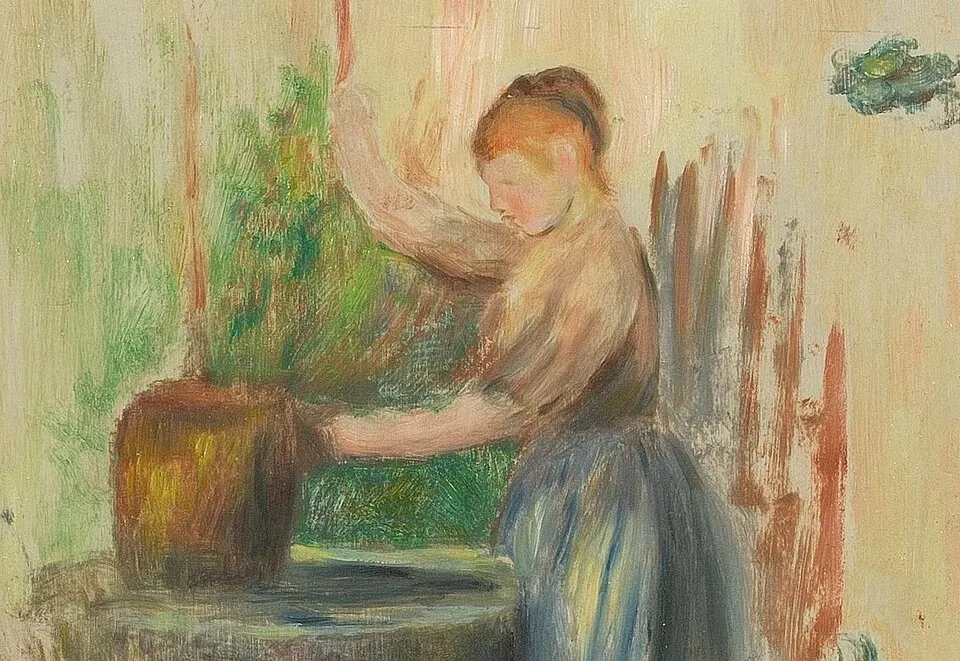
The two recovered masterpieces represent different eras of Auguste Renoir's prolific and influential career, highlighting the immense cultural and historical diversity of the museum's collection. The recovered works include "Portrait of Madame Colonna Romano" (Portrait de Madame Colonna Romano), a piece meticulously painted in 1910, and "Jeune fille au puits" (Young Girl at the Well), a significant work dating back to 1886.
The return of these specific pieces has been met with profound relief by local officials in Cagnes-sur-Mer, who view the loss not just as a theft of property, but as an attack on their identity. Brian Masson, the Mayor of the town and a member of the National Rally, emphasized the deep emotional and historical impact of the loss on the local community. He stated that these two paintings are far more than mere works of art, describing them as integral components of the town's history, its cultural heritage, and the lasting, tangible legacy left by Auguste Renoir in Cagnes-sur-Mer. The recovery is thus seen as a restoration of the town's cultural soul.
The significance of the Renoir Museum
The Renoir Museum is much more than a standard art gallery; it is a site of profound biographical importance that offers an intimate connection to the artist's life. The museum is uniquely housed in the very residence where Auguste Renoir lived and worked during the final years of his life. This setting provides a context that few other museums can replicate, turning the building itself into a living monument to the Impressionist master.
Since opening its doors to the public in 1960, the museum has served as a dedicated sanctuary for his legacy. It currently hosts 12 of his major works, but its value extends far beyond the canvases on the walls. The collection includes highly personal artifacts that provide a window into the artist's daily existence and his struggles. Visitors can view his actual easel, the wheelchair he utilized during his later years, and a variety of personal items including photographs and letters. These objects, combined with the paintings, create a comprehensive narrative of the man behind the brush, making the museum a vital landmark for both art historians and the general public.
Why is this theft part of a larger trend in Europe?
The recovery of the Renoir canvases comes at a time of heightened anxiety regarding the security of cultural institutions across the continent. This incident is not being viewed as an isolated act of opportunism, but rather as part of a worrying pattern of high-profile, targeted strikes against significant art collections throughout Europe. The professional nature of the tools used—such as electric saws—suggests an increasing sophistication among criminal groups specializing in art theft.
Earlier in 2026, a museum located near Parma, Italy, suffered a similar breach involving works by Renoir, Paul Cézanne, and Henri Matisse. That heist was characterized by its incredible speed, lasting only three minutes, though the works were eventually recovered in August. The Cagnes-sur-Mer theft, while involving a different method of entry, follows this trend of striking at the heart of European cultural heritage. These recurring incidents suggest that even well-established museums are struggling to stay ahead of increasingly organized and efficient criminal syndicates.
Recent major museum security breaches
The vulnerability of major European institutions was most starkly and dramatically demonstrated in October 2025 during a high-stakes robbery at the Louvre in Paris. This incident served as a wake-up call for the global museum community. In that case, perpetrators utilized a deceptive tactic, disguising themselves as workers to infiltrate the Apollo Gallery during regular operating hours.
Once inside, they used an angle grinder to breach protected display cases, successfully stealing historical jewelry valued at approximately 88 million euros. These priceless items had belonged to the queens and empresses of 19th-century France, representing not just immense financial value but incomparable historical significance. The Louvre incident triggered massive public outcry and forced a critical, high-level re-evaluation of security protocols in one of the world's most famous and visited museums. When compared to the Renoir theft, the Louvre robbery highlights a spectrum of threats, from the brute force of breaking into a local museum to the sophisticated, deceptive infiltration of a global landmark.
What are the implications for European cultural heritage?
While the return of the Renoir paintings is a significant victory for law enforcement and a moment of celebration for Cagnes-sur-Mer, the recurring nature of these thefts raises fundamental and unsettling questions about the long-term protection of European cultural heritage. The ease with which thieves have bypassed security at both local museums like the Renoir Museum and global icons like the Louvre suggests systemic weaknesses in current protection models.
Local authorities in Cagnes-sur-Mer have maintained a high level of discretion following the recent arrests. Although a press conference was originally scheduled for the Friday following the recovery to provide updates, it was ultimately canceled. This lack of detailed public information regarding the progress of the investigation, the specific identities of the six suspects, or the potential involvement of larger organized crime rings leaves many questions unanswered. The ongoing challenge for European museums is to find a sustainable balance: they must remain accessible, open, and inviting cultural spaces for the public, while simultaneously implementing the rigorous, high-tech security measures required to deter professional criminal syndicates that view these treasures as high-value targets.
Frequently asked questions
What was stolen from the Renoir Museum?
The thieves targeted several works, but the two primary recovered paintings are "Portrait of Madame Colonna Romano" (1910) and "Jeune fille au puits" (1886). While four works were initially taken, the thieves abandoned two in the museum garden during their escape.
How many people have been arrested?
Six individuals have been arrested in connection with the museum burglary. While the arrests confirm police progress, the specific roles of the suspects and the full details of the investigation have not yet been released by municipal authorities.
Where is the Renoir Museum located?
The museum is located in Cagnes-sur-Mer, a town in southern France. The museum is uniquely situated in the former residence where Auguste Renoir lived during the final years of his life.
How did the thieves enter the museum?
The perpetrators gained access to the building by cutting through the perimeter fencing and breaking a window. They utilized an electric saw to remove the artworks from their mounts, indicating a level of preparation for the theft.
Has this happened before in Europe?
Yes, several major thefts have occurred recently. This includes a three-minute heist in Italy involving Renoir and Cézanne works in 2026, and the massive 88-million-euro jewelry theft at the Louvre in October 2025.
Key takeaways
- Two Renoir paintings were recovered in Cagnes-sur-Mer one month after being stolen.
- Six suspects have been arrested following the September 8 museum break-in.
- The stolen works include "Portrait of Madame Colonna Romano" and "Jeune fille au puits."
- The theft highlights ongoing security vulnerabilities in European museums.
Conclusion
The successful recovery of the Renoir paintings marks a vital moment for the cultural preservation of Cagnes-sur-Mer and a victory for the local community. While the return of these masterpieces restores a piece of Auguste Renoir's legacy to its rightful home, the incident serves as a stark and persistent reminder of the threats facing art institutions globally. As evidenced by recent thefts in Italy and the dramatic heist at the Louvre, the methods and sophistication of art crime are evolving. Moving forward, the focus for cultural institutions must shift toward reinforcing the security of these irreplaceable historical sites to ensure that the world's shared cultural heritage remains protected from increasingly professional criminal activity.







