
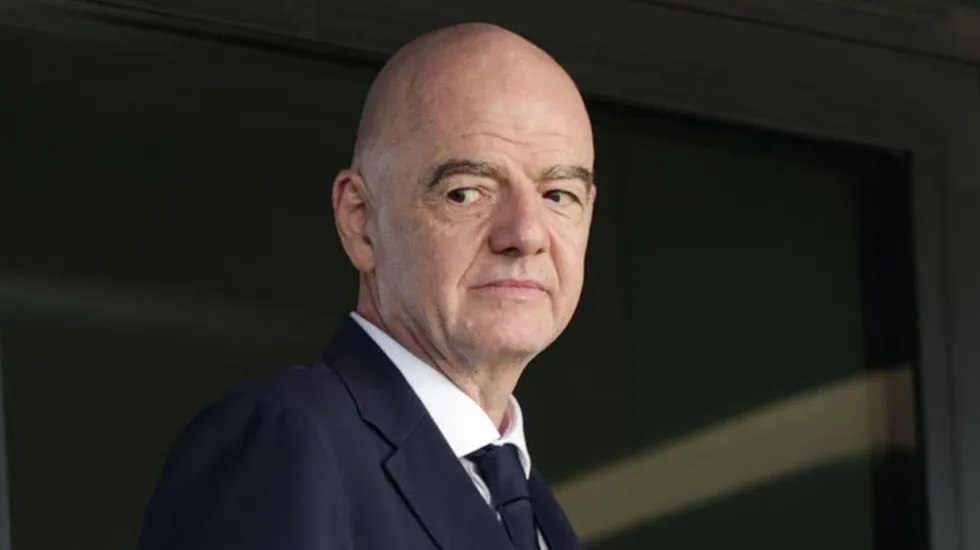
Why has the Swiss Football Association withdrawn its support for Gianni Infantino?
The Swiss Football Association (SFV) has officially decided to distance itself from Gianni Infantino following a pivotal meeting held on September 25, 2026. This move represents a complete reversal of the stance the federation had taken in June of the same year. According to the SFV, the decision was driven by a thorough re-evaluation of recent events and the evolving landscape of international football management.
The symbolic weight of this withdrawal cannot be overstated. Because Infantino was born in the Swiss town of Brig, the loss of backing from his home nation's federation serves as a profound personal and professional blow. Peter Knäppel, the president of the Swiss Football Association, explicitly stated that the federation could no longer justify continuing its support for Infantino's candidacy, noting that they "cannot justify the continuation of support for the candidacy of Gianni Infantino matters most."
The core of the dissatisfaction lies in unresolved questions regarding how FIFA is currently being governed. While the SFV has not released a granular list of grievances, the underlying sentiment suggests a lack of confidence in the current administrative direction of the world's governing body for football. The factors within the SFV have identified unanswered questions regarding FIFA's governance, making it impossible to justify further support.
The impact of the June reversal
In June 2026, the Swiss federation had initially signaled its continued alignment with Infantino. The shift in September suggests that the internal climate within the SFV changed significantly over those three months. This volatility indicates that the federation's leadership felt compelled by recent developments to change their trajectory before the 2027 elections.
The decision to turn its back on Infantino was not a sudden impulse but the result of a formal meeting where the federation re-evaluated the situation. This change in position highlights the pressure mounting on the FIFA president as the election cycle progresses. The reversal of the June decision underscores a growing rift between the Swiss national body and the leadership of the global organization.
How is the FIFA Forward Enterprise contributing to the crisis?
The controversy surrounding the "FIFA Forward Enterprise" has emerged as a primary catalyst for the widespread discontent among football federations. This proposal, spearheaded by Infantino, aimed to attract private investment into football by creating a commercial subsidiary designed to manage revenues generated from the FIFA World Cup.
Although Infantino eventually withdrew the specific proposal, the damage to his reputation regarding financial transparency and governance had already been done. The plan raised significant alarms among critics who feared that the commercialization of World Cup revenues through private entities could undermine the traditional structure of football governance and create conflicts of interest. The "cup" essentially overflowed with the fallout from this specific enterprise, leading to a wave of opposition.
The backlash against this enterprise has acted as a unifying force for various federations that are already skeptical of the centralization of power within the FIFA presidency. The debate over whether World Cup funds should be managed via commercial subsidiaries or kept within the direct oversight of the federation remains a central point of contention in the lead-up to the Rabat Congress.
What is the scale of opposition against the FIFA presidency?
The Swiss withdrawal is not an isolated incident but rather part of a broader trend of European federations distancing themselves from Infantino. A significant coalition of influential footballing nations has already signaled its opposition to his continued leadership.
Several major footballing powers have taken formal positions against the current administration. The list of federations that have voiced opposition or withdrawn support includes:
- England (The FA)
- France (FFF)
- Germany (DFB)
- Wales (FAW)
- Serbia (FSS)
- Greece (Hellenic Football Federation - EPO)
This collective movement suggests that Infantino is facing a coordinated challenge from the European continent. The involvement of such high-profile associations indicates that the concerns regarding FIFA's leadership are not merely peripheral but are being championed by the very organizations that form the backbone of international football competition.
The role of UEFA leadership in the dissent
The political tension was further heightened by recent comments from UEFA President Aleksander Čeferin. During a recent meeting in Copenhagen, Čeferin criticized the current trend of power concentration within football, though he did not explicitly name Infantino in his remarks. However, the timing of these criticisms, occurring just days before the Swiss federation's decision, has led many to link the two events.
The perceived trend toward excessive centralization of power is a recurring theme in the critiques leveled against the current FIFA administration. Čeferin's remarks in Copenhagen provided a backdrop of institutional skepticism that coincided with the Swiss federation's decision to withdraw its support, adding further weight to the growing movement against the current FIFA leadership structure.
When will the final decision on FIFA leadership be made?
The next major milestone in this political struggle will occur on March 18, 2027. This date marks the 77th FIFA Congress, which is scheduled to take place in Rabat, Morocco. It is during this Congress that the formal elections for the FIFA presidency will be conducted.
Gianni Infantino has already announced his intention to run for re-election, meaning he will have to navigate a highly contested landscape. The outcome of the Rabat Congress will depend heavily on how the various continental confederations align themselves in the coming months. While the European federations have shown significant resistance, the influence of other regional blocs will ultimately determine whether Infantino can secure a new term or if a new era of leadership will emerge.
FAQ: FIFA Leadership and the Swiss Decision
Why did the Swiss Football Association change its mind?
The Swiss Football Association (SFV) re-evaluated recent developments in football governance following a meeting on September 25, 2026. The federation concluded that it could no longer justify supporting Gianni Infantino's candidacy, marking a reversal from their previous decision in June 2026.
What was the FIFA Forward Enterprise?
The FIFA Forward Enterprise was a proposal by Gianni Infantino to create a commercial subsidiary to manage World Cup revenues to attract private investment. Although the proposal was withdrawn, it remains a major point of controversy regarding governance.
Which countries are opposing Gianni Infantino?
Several major federations have opposed or withdrawn support for Infantino, including England, France, Germany, Wales, Serbia, and Greece (EPO).
When is the next FIFA presidential election?
The next FIFA presidential election is scheduled for March 18, 2027, during the 77th FIFA Congress in Rabat, Morocco.
Has UEFA commented on the current FIFA leadership?
UEFA President Aleksander Čeferin criticized the concentration of power in football during a meeting in Copenhagen, though he did not explicitly name Infantino.
Key takeaways
- The Swiss Football Association officially withdrew support for Gianni Infantino on September 25, 2026.
- This decision reverses a previous stance taken by the Swiss federation in June 2026.
- Major federations including England, France, Germany, Wales, Serbia, and Greece have expressed opposition.
- The FIFA elections are set for March 18, 2027, in Rabat, Morocco.
The shifting landscape of football governance
The withdrawal of support from the Swiss Football Association represents a critical turning point in the political battle for the future of FIFA. For Gianni Infantino, the loss of backing from his home nation's federation creates a challenging narrative heading into the 2027 elections in Morocco. The combination of governance concerns, the fallout from the FIFA Forward Enterprise, and a growing coalition of European opposition suggests that the upcoming Congress will be one of the most contentious in recent history. Whether the current administration can maintain its grip on power or if a new leadership direction will be demanded remains the central question for the global football community.







