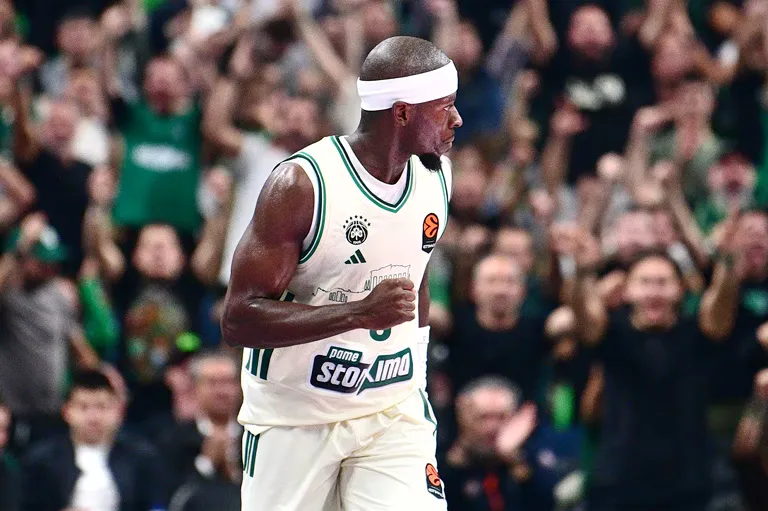
The final seconds and the missed opportunity at T-Center
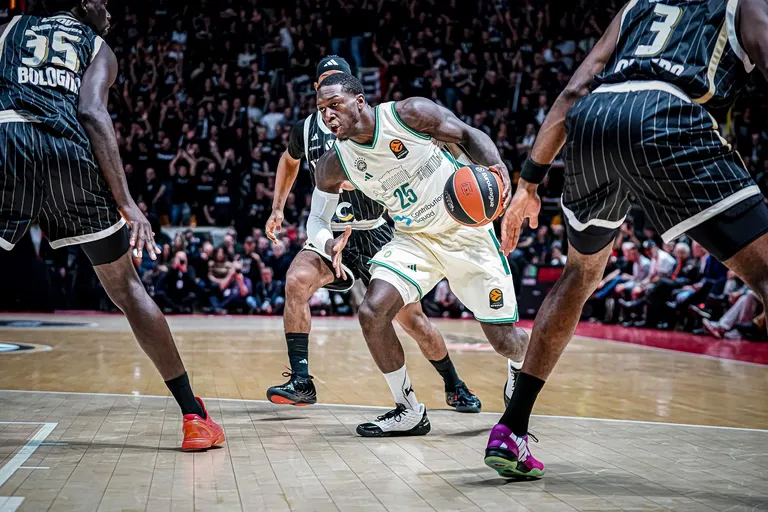
Sylven Francois admitted that he misjudged the time remaining during the decisive final moments of the match against Barcelona. Despite holding the ball in the closing phase, the French guard was unable to complete a shot attempt because the clock expired before he could release it. This error was central to the conclusion of a game where Panathinaikos saw a significant advantage evaporate.
According to Francois, his mental calculation of the remaining seconds did not align with the actual game clock. He stated to Nova that he believed there were 3.6 seconds left on the clock, though the actual time available was only 2.6 seconds. This discrepancy left him without the necessary window to execute his intended play.
A breakdown in situational awareness
The guard explained that his hesitation was partially rooted in an expectation of contact from the opposing team. "I wanted to shoot, but I didn't calculate well in my head. I was perhaps expecting them to foul me," Francois noted. This psychological factor, combined with the timing error, prevented the successful execution required to potentially alter the game's outcome.
While the missed shot was the final act of the game, Francois emphasized that the loss was not solely defined by this single moment. He argued that the structural failures of the team throughout the final quarter were the true drivers of the defeat. The inability to maintain momentum despite a large lead highlighted deeper tactical and communicative inconsistencies within the squad.
Tactical failures in ball movement and spacing
Panathinaikos struggled with offensive rhythm and spatial awareness, even during periods when they held a commanding lead. Francois pointed out that the team failed to circulate the ball effectively, which prevented them from creating high-quality scoring opportunities. This lack of fluidity made it easier for Barcelona to maintain defensive pressure and initiate their comeback.
The guard identified two primary technical issues that hindered the offense:
- Poor ball circulation: The team failed to move the ball with the necessary speed and precision to break down the defense.
- Inadequate spacing: Players were not maintaining the correct distances from one another, which congested the offensive zones.
Francois noted that even when the team possessed a significant lead, the standard of play did not meet the requirements of Euroleague competition. "It doesn't matter if you are leading by 20-25 points; we must circulate the ball well throughout the entire match," he remarked. The lack of discipline in maintaining offensive structure allowed Barcelona to stay within striking distance.
Defensive lapses during Barcelona's comeback
As Barcelona increased their offensive intensity, Panathinaikos encountered significant difficulties in their defensive transitions and positioning. The guard noted that the team's defensive structure faltered exactly when the opponent became most aggressive, allowing Barcelona to mount a successful rally. This defensive instability was a direct consequence of the momentum shift caused by the offensive struggles.
The relationship between the team's offensive inefficiency and defensive vulnerability was evident in the final quarter. When the ball movement stalled, the team's ability to control the tempo of the game diminished. This allowed Barcelona to dictate the terms of the engagement, turning a comfortable lead into a loss. Francois stressed that the team must learn from these specific defensive errors to prevent similar collapses in future fixtures.
Impact of roster changes and team chemistry
The transition from a depleted roster to a full squad has presented new challenges for the team's internal communication and coordination. Earlier in the season, Panathinaikos operated with seven absences, which forced the players to adapt to a different style of play with limited personnel. Now that the full roster is available, the team is facing the difficulty of integrating all players into a cohesive unit.
Francois described the current phase as a period of starting over to find the right balance. The return of missing players has changed the team dynamic, requiring a recalibration of roles and responsibilities. This integration process has surfaced issues in how players interact on the court, particularly regarding passing and positioning.
| Season Phase | Roster Status | Primary Challenge |
|---|---|---|
| Early Season | 7 player absences | Adapting to limited personnel |
| Current Phase | Full roster available | Communication and spacing integration |
The guard expressed a sense of hesitation in his decision-making, specifically regarding passing. "I feel like I could have passed better because we had better spaces. Sometimes, perhaps, I am afraid to pass. It might be a matter of communication," he admitted. This lack of confidence in the collective movement suggests that the team is still struggling to synchronize their tactical intentions with their physical execution.
Long-term outlook and competitive goals
Despite the disappointment of the loss to Barcelona, Francois remains optimistic about the team's overall potential and talent level. He characterized the current stage of the season as being too early to draw definitive conclusions about the team's ceiling. The focus remains on using these setbacks as building blocks for a more competitive collective.
The guard emphasized that the process of building a championship-caliber team involves navigating both wins and losses. He noted that the team possesses significant talent, but the transition from a group of individuals to a cohesive, winning unit requires time and belief. "At the end, everything comes down to faith, whether we win or lose," Francois stated.
The team's objective is to transform these communicative and tactical errors into lessons that foster a more resilient squad. Francois believes that while the current losses are difficult, they are a necessary part of the process of creating a team capable of competing for titles. The emphasis will be on improving player-to-player dialogue and ensuring that spacing and ball movement remain consistent regardless of the scoreline.