
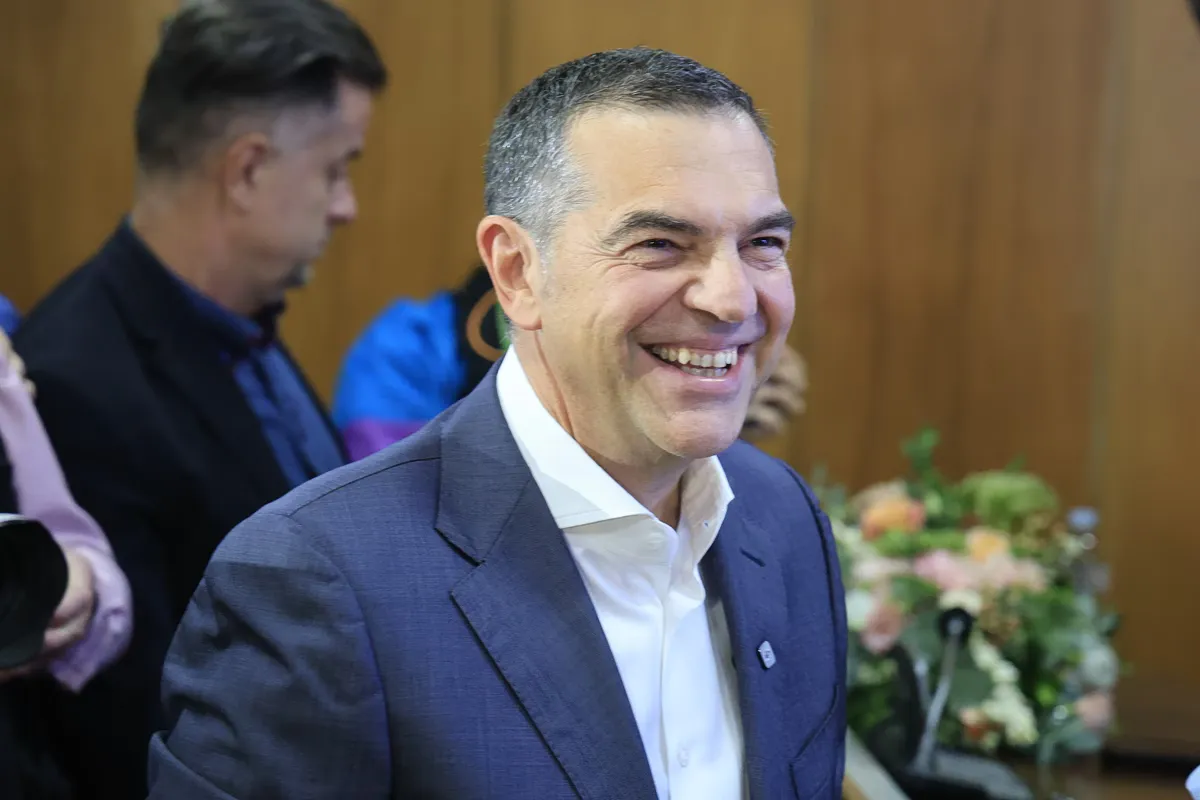
How is Alexis Tsipras executing his new political outreach?
Alexis Tsipras is implementing a high-intensity engagement model based on direct, face-to-face contact with diverse social groups. This method, which he utilized during the early stages of founding ELAS, involves frequent field visits to both urban and rural settings. By moving away from traditional televised rhetoric toward a 'door-to-door' approach, the former Prime Minister aims to bridge the gap between the party leadership and the daily realities of Greek citizens.
Recent activities serve as a blueprint for this strategy. For instance, a 48-hour tour saw Tsipras visiting livestock farmers in the village of Lala in Ilia, followed immediately by a visit to the Kypseli neighborhood in Athens. In Kypseli, he addressed specific local anxieties regarding structural cracks in apartment buildings caused by ongoing metro line construction—a topic he claims distinguishes his presence from other political leaders who have avoided such direct contact with affected residents.
This strategy is not merely about visibility but about establishing a presence where political discourse is often absent. By visiting the residents of apartment buildings who fear for the stability of their homes due to metro construction, Tsipras is positioning himself as a leader who listens to the granular, everyday fears of the urban population. This contrast is central to his attempt to rebuild the party's connection to the electorate.
The logic of the 'field sprint'
The decision to accelerate these visits is driven by a sense of urgency regarding political momentum. While formal elections may not be imminent, internal party assessments suggest that polling data is moving rapidly. The 'sprint' is designed to prevent the erosion of ELAS's current standing, which Tsipras has described as a 'small miracle' in maintaining the party's second-place position in the political hierarchy.
The timing of this acceleration is critical. Tsipras is working to reclaim the political ground lost during the period of the Thessaloniki International Fair (DETH). His goal is to secure these points in the polls by the end of October. The 'sprint' is therefore a dual-track effort: a communicative push to regain public attention and a substantive push to solidify the party's core message before the political landscape shifts again.
What are the core pillars of the ELAS social agenda?
The ELAS social agenda is built around proposing concrete solutions to immediate economic pressures, specifically targeting the cost of living. Tsipras has shifted the party's focus toward direct dialogue with workers and professional associations to present actionable policy alternatives to the current government. A primary battleground in this effort is the cost of energy and transportation.
The party has been particularly vocal regarding fuel prices. Tsipras has proposed the utilization of four specific tools intended to reduce the cost of petrol and heating oil. According to political observers at the party's headquarters on Amalias, this proposal forced the government to employ various communication tactics to delay the announcement of related measures, particularly as consumers faced a significant increase of 5 cents per liter in heating oil. This increase was reportedly obscured by pro-government media outlets.
By framing these issues as direct responses to citizen needs, ELAS seeks to position itself as the primary advocate for the working class. The party's strategy is to take the 'either us or no one' dilemma to the voters, presenting a clear alternative to the status quo through these targeted economic interventions.
How is the party managing its organizational renewal?
Beyond immediate policy debates, the long-term viability of ELAS depends on a comprehensive structural overhaul. The party is currently working to complete its organizational consolidation by expanding its presence at the municipal level. This decentralization is intended to strengthen the party's ties with provincial regions, ensuring that the connection to rural voters is not merely symbolic but structurally integrated.
A critical component of this renewal is the focus on the next generation of political leaders. The party is prioritizing the development of its youth wing, with plans to increase engagement through a newly organized youth structure. This focus on 'renewal' is intended to modernize the party's image and ensure a steady pipeline of leadership that can sustain the momentum gained during the current political cycle.
This organizational push aims to fix what are described as 'loose ties' with the provinces. By establishing formal organizations at the municipal level, the party hopes to create a permanent infrastructure that can respond to local issues in real-time, rather than relying on periodic visits from central leadership.
Strengthening provincial ties
To ensure the effectiveness of the provincial strategy, Tsipras is adopting a collaborative leadership model. During field visits, such as the meeting with farmers in Ilia, he is frequently accompanied by specialized party officials, such as the agricultural policy sector leader, Thoma Moschos. This ensures that the discussions are not just political gestures but are backed by technical expertise relevant to the specific demographic being addressed.
This model is expected to be replicated across various regions. Following the upcoming interventions in the Attica region, the party plans to expand this model to other prefectures. By pairing the central leadership with thematic sector leaders, ELAS intends to demonstrate that its engagement with provincial populations is both deep and technically informed, addressing specific sectoral needs like agriculture and livestock farming.
What is the impact of this strategy on the Greek political landscape?
The current strategy represents a calculated attempt to redefine the competition within the Greek political sphere. By establishing a clear distinction between ELAS and its primary competitor, PASOK, Tsipras is attempting to capture the 'middle ground' of voters who feel neglected by the current administration's communication style.
The strategy relies on the premise that direct presence in the streets and villages will translate into a more resilient voter base. The success of this 'fall sprint' will likely be measured by the party's ability to maintain its second-place standing in upcoming polls. The timing is critical; the party is racing to reclaim the influence it lost during the Thessaloniki International Fair. If successful, this approach could transform ELAS from a party of protest into a structured, organized force capable of challenging the government on both economic and social fronts.
Frequently asked questions
What is the main goal of the current ELAS political campaign?
The primary objective is to consolidate ELAS's position as the second-largest political party in Greece. By conducting a 'fall sprint' of direct community visits, Tsipras aims to reclaim lost political ground and prevent the erosion of the party's polling numbers before future elections.
How does Tsipras address the issue of rising fuel costs?
Tsipras has proposed a specific plan involving four legislative or economic tools designed to lower the cost of petrol and heating oil. This agenda seeks to provide direct relief to citizens facing high energy costs and serves as a key differentiator from the current government's policies.
Why is the party focusing on municipal-level organization?
Focusing on municipal organizations allows ELAS to strengthen its connections with the provincial population. This structural move is intended to move the party beyond urban centers and create a more robust, nationwide organizational presence that can engage with local issues effectively.
What role does the youth wing play in the new ELAS strategy?
The youth wing is central to the party's renewal efforts. By investing in a new organizational structure for young people, ELAS aims to modernize its political identity and ensure long-term sustainability through a new generation of active members and leaders.
How does the 'door-to-door' method differ from previous approaches?
The 'door-to-door' method emphasizes direct, unmediated contact with citizens in their daily environments, such as neighborhoods or rural villages. This contrasts with traditional political communication, which often relies on mass media and large-scale rallies, by focusing on specific local grievances like urban infrastructure or farming needs.
Key takeaways
- Alexis Tsipras is launching a high-intensity field campaign to bolster ELAS's polling status.
- The party's agenda focuses on direct solutions for rising fuel and energy costs.
- Structural renewal is being pursued through municipal-level organizational expansion.
- A significant emphasis is placed on revitalizing the party via its youth wing.
- Direct community engagement is being used to differentiate ELAS from its competitors.
The strategic outlook for ELAS
The current trajectory of ELAS suggests a party in a state of intense mobilization. By blending high-level policy proposals—such as energy cost reduction—with granular, localized engagement, Alexis Tsipras is attempting to build a multi-layered political identity. The success of this autumn sprint will depend on whether this direct contact can be converted into lasting organizational strength and stable electoral support. As the party moves toward full municipal integration and youth renewal, it is clearly positioning itself for a sustained challenge to the existing political order.







