
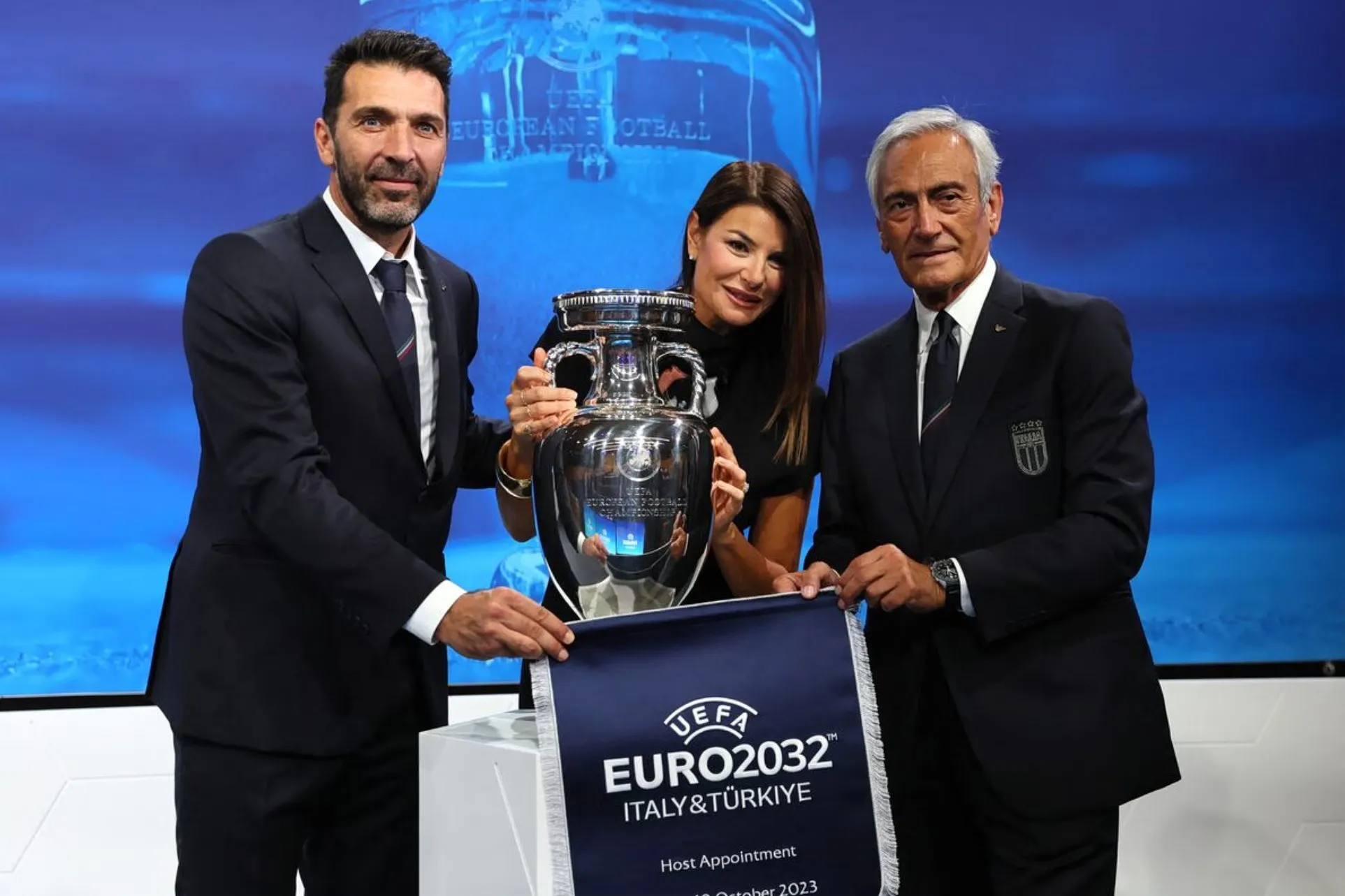
What is causing the institutional crisis within the FIGC?
The Italian Football Federation (FIGC) is currently embroiled in a significant legal and institutional dispute following the election of Giovanni Malagò as president in June 2026. This election, which succeeded Gabriele Gravina, has triggered intense scrutiny regarding the legitimacy of the leadership transition. At the heart of the controversy is a question of eligibility: investigators and legal experts are examining whether Malagò possessed the necessary membership status within the FIGC to validly stand for the presidency.
This internal friction has moved beyond mere administrative disagreement, reaching a level where the Italian sporting system is considering drastic measures. One of the most serious possibilities being discussed is the imposition of a special administration regime over the federation. Such a move would effectively strip the current leadership of its autonomy, placing the federation under external oversight to ensure compliance with national and international regulations.
UEFA President Aleksander Ceferin has addressed these developments, though he has notably avoided commenting on the specific legal merits of the Malagò case. Instead, he has reinforced the fundamental principles upheld by both UEFA and FIFA. The governing bodies maintain that national federations must operate with total autonomy, free from any form of external political influence. According to Ceferin, any political encroachment into the governance of the FIGC risks damaging the trust of UEFA and its global partners, which is particularly sensitive given the upcoming hosting duties.
The risk of political interference
The core concern for UEFA is not the specific legal technicality of Malagò's membership, but rather the precedent set by political involvement in football's decision-making processes. When political actors or state interests influence federation elections, it threatens the integrity of the sport. For a co-host like Italy, maintaining a stable and independent footballing body is not just a matter of domestic governance, but a requirement for fulfilling the contractual obligations of a major international tournament.
How do stadium deficiencies threaten the Euro 2032 project?
Beyond the governance crisis, Italy faces a practical and urgent challenge regarding its footballing infrastructure. While the institutional dispute is a new complication, the state of Italian stadiums has long been identified as a systemic weakness in the country's sporting landscape. Aleksander Ceferin has been explicit in his assessment, stating that Italy's current footballing venues are significantly below the standard expected of a nation with such high international prestige in the sport.
The logistical pressure is mounting as the countdown to 2032 continues. Currently, fourteen Italian cities have expressed interest in hosting matches for the tournament. The FIGC is tasked with reviewing these bids and submitting the final dossiers to UEFA. From these applications, only five Italian venues will ultimately be selected to serve as official host sites. The difficulty lies in the fact that many of Italy's historic stadiums are aging and require extensive, costly renovations to meet modern safety, technological, and spectator comfort standards required by UEFA.
To bridge this gap, the FIGC and local municipalities are in a race against time to move from theoretical plans to physical construction. The success of the Euro 2032 project depends on the ability of these cities to present viable, modern facilities that can handle the massive influx of international fans and the high-definition broadcasting requirements of a modern major tournament.
Successful models for Italian clubs
While the national outlook remains challenging, Ceferin pointed to specific clubs that have successfully navigated the infrastructure hurdle. Juventus, Atalanta, and Udinese were cited as positive examples of Italian organizations that have taken greater control over their facilities. These clubs have moved toward modern stadium projects, demonstrating that private investment and club-led development can produce the high-quality environments that UEFA demands.
Is Italy at risk of losing the Euro 2032 hosting rights?
Currently, there is no official indication that UEFA is moving to strip Italy of its co-hosting rights with Turkey. Aleksander Ceferin has explicitly declined to engage in hypothetical scenarios regarding the revocation of the tournament. He has emphasized that the Euro 2032 assignment has already been confirmed by UEFA, and his recent comments are intended as a preventative warning rather than a declaration of punitive action.
However, the warning serves as a clear signal of the "special responsibility" that Italy holds as a co-host. The message from UEFA headquarters in Nyon is that the window for addressing these issues is closing. The tournament was originally envisioned as a catalyst for the rebirth of Italian football infrastructure, providing the necessary momentum to upgrade the country's aging assets. If the FIGC cannot resolve its leadership crisis and the cities cannot deliver modernized stadiums, the very foundation of the project could be compromised.
The tension lies in the duality of the situation: Italy is not currently losing the tournament, but the path to successfully hosting it is becoming increasingly narrow. The upcoming years will determine whether the Euro 2032 serves as a moment of national sporting renewal or as a source of significant institutional embarrassment.
Frequently asked questions
What is the main issue regarding Giovanni Malagò?
The primary dispute involves whether Giovanni Malagò met the specific membership requirements of the FIGC to run for the presidency. This legal uncertainty has led to calls for a special administration regime to oversee the federation and ensure its independence from political influence.
Why are Italian stadiums considered a problem?
Many of Italy's historic stadiums are aging and do not meet the modern standards required by UEFA for hosting major international tournaments. These venues require significant technological and structural upgrades to ensure spectator safety, comfort, and the ability to support high-level broadcasting.
Can Italy still host Euro 2032?
Yes, Italy remains a confirmed co-host alongside Turkey. While UEFA has issued warnings regarding governance and infrastructure, the organization has not initiated any formal process to revoke the hosting rights, treating the current situation as a call for urgent corrective action.
What examples of good infrastructure did UEFA provide?
UEFA President Aleksander Ceferin highlighted Juventus, Atalanta, and Udinese as successful examples. These clubs have demonstrated that taking control of stadium projects and investing in modern facilities is a viable path for Italian footballing entities.
What role does Turkey play in Euro 2032?
Turkey is the official co-host of the Euro 2032 tournament. The responsibility for the event is shared between Italy and Turkey, meaning both nations must meet UEFA's rigorous standards for governance, stadium quality, and logistical organization.
Key takeaways
- UEFA warns Italy that political interference in the FIGC could undermine trust in Euro 2032.
- A legal dispute over Giovanni Malagò's eligibility has prompted discussions of special administration for the FIGC.
- Italy must select five host stadiums from fourteen interested cities to meet UEFA standards.
- Clubs like Juventus and Atalanta are cited as successful models for modern stadium development.
- Euro 2032 is viewed as a vital opportunity to modernize Italy's aging football infrastructure.
Conclusion
The path toward Euro 2032 is currently obstructed by two distinct but equally critical challenges: institutional instability and inadequate infrastructure. While UEFA has stopped short of threatening to relocate the tournament, the warnings from Aleksander Ceferin underscore a period of high risk for Italian football. The FIGC must navigate its internal legal battles to ensure political independence, while Italian cities must transform ambitious stadium plans into tangible realities. Ultimately, the success of the 2032 championship depends on whether Italy can turn these systemic weaknesses into a renewed era of sporting excellence.







