
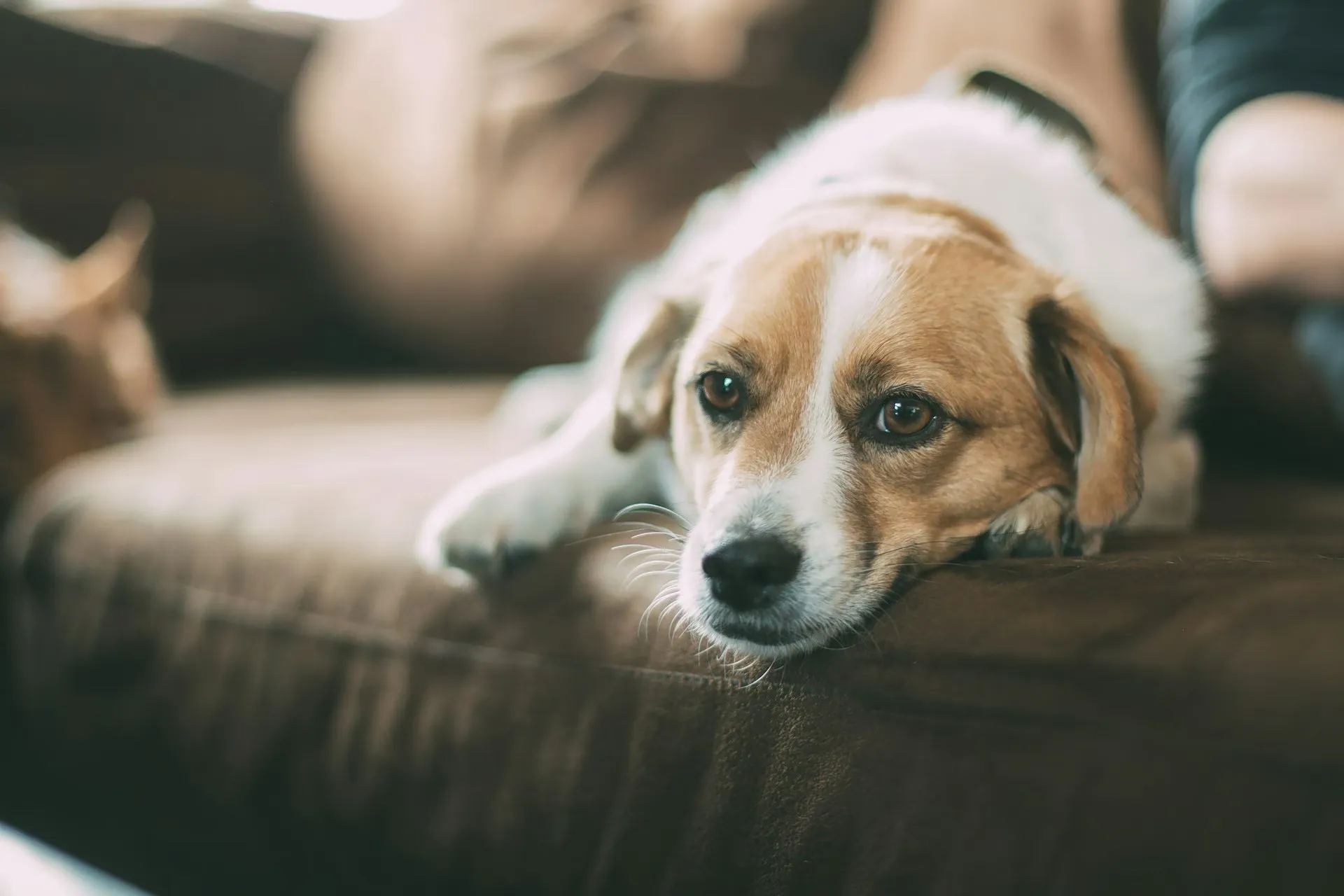
Why does your dog occupy the space you just vacated?
The phenomenon of a dog immediately moving into a spot once a human stands up is rarely an act of defiance or a bid for dominance. Instead, it is a multifaceted behavior rooted in the dog's sensory perception and emotional needs. When you leave the sofa to grab a glass of water or open a door, your dog perceives the vacated space as an opportunity to access something highly valuable: your essence.
Understanding this behavior requires looking past the surface level of 'naughtiness' and examining the biological drivers. Dogs do not view furniture as human property; they view it as a landscape of scents, temperatures, and social cues. By analyzing these drivers, owners can better interpret what their pet is trying to communicate through these small, seemingly repetitive actions.
How does scent play a role in canine comfort?
Dogs perceive the world primarily through their olfactory system, making scent one of the most significant factors in their decision-making process. A spot that has just been occupied by a human is saturated with that person's unique scent, which provides a profound sense of security and familiarity to a dog.
When a dog lies in your exact position, they are not just choosing a piece of furniture; they are immersing themselves in your presence. This olfactory connection acts as a surrogate for your physical company. Even when you are not home, dogs frequently seek out items or areas that carry your scent to maintain a sense of continuity and closeness to their primary caregiver. This behavior is a testament to the strength of the bond they have developed with you.
The importance of olfactory security
For many canines, scent is a primary tool for emotional regulation. A familiar scent can lower cortisol levels and provide a calming effect. By settling into your scent, the dog is effectively utilizing a natural biological tool to manage their environment and feel safe in your absence or during transitions in the household routine.
Is warmth and physical comfort a driving factor?
Thermal regulation and the pursuit of physical ease are practical reasons why dogs target human-occupied spaces. The spot where a person has been sitting retains residual body heat, making it significantly more inviting than a cold floor or an untouched corner of a pet bed.
Human bodies act as heat sources. When a person sits on a couch or lies in a bed, they transfer warmth to the fabric. For a dog, this pre-warmed area represents a high-value resting spot that requires less energy to maintain body temperature. This preference for warmth is a fundamental instinctual drive found in most mammals, where seeking out thermal comfort is a priority for efficient rest and recovery.
How do routine and habit influence where a dog sleeps?
Dogs are creatures of habit who thrive on predictable patterns and established routines. Once a dog identifies a specific area of the home as a high-quality resting zone, they are likely to return to it repeatedly, regardless of whether a human is currently present.
If a certain section of the sofa has become the designated 'napping zone,' the dog will view it as their preferred territory for relaxation. This is less about 'stealing' a spot and more about adhering to a learned routine. The consistency of the environment provides the dog with a sense of order, and occupying the same comfortable spots helps reinforce their daily rhythm.
What is the connection between spot-stealing and separation anxiety?
For certain dogs, the act of occupying a human's spot is a direct coping mechanism for separation anxiety. When a dog feels distressed by the absence of their owner, they seek out sensory triggers that mitigate that distress.
Settling into a space that holds your scent functions as a form of emotional 'safety net.' It provides a sense of protection and proximity that helps the animal navigate the anxiety caused by being alone. In these instances, the behavior is an active attempt at self-soothing. If a dog is constantly searching for your scent or becomes highly distressed when they cannot find your 'spot,' it may indicate a need for further behavioral support or anxiety management strategies.
Identifying signs of separation anxiety
It is important to distinguish between a dog simply enjoying a warm spot and a dog using the spot to manage intense fear. Signs of true separation anxiety might include excessive barking, destructive behavior when left alone, or pacing. In these cases, the 'spot-stealing' is a symptom of a deeper emotional struggle rather than a mere preference for comfort.
Could your dog be doing this just to get attention?
There is a social dimension to this behavior where dogs use the occupation of human spaces as a tool for social engagement. Because dogs are inherently social animals, they are highly attuned to how their actions influence human reactions.
If a dog realizes that sitting in your chair or on your bed triggers an immediate response—even if that response is a gentle scolding or a laugh—they may repeat the behavior to secure that interaction. In the canine mind, any form of attention can be interpreted as a form of social reward. Therefore, the behavior becomes a functional way to initiate contact or play with their owner.
Key takeaways
- Scent provides dogs with a sense of security and mimics the presence of their owner.
- Residual body heat makes human-occupied spots more thermally attractive for resting.
- Routine-oriented dogs often claim specific furniture as permanent relaxation zones.
- Spot-seeking can be a self-soothing mechanism for dogs suffering from separation anxiety.
- Attention-seeking behavior may drive dogs to occupy human spaces to trigger interaction.
FAQ: Dog behavior and spot stealing
Why does my dog prefer my scent over their own bed?
Your scent acts as a powerful emotional regulator for your dog. While their bed is comfortable, your scent provides a sense of safety, familiarity, and social connection that a standard pet bed cannot replicate, helping them feel protected and close to you.
Does a dog stealing my spot mean they are being dominant?
Generally, no. While some owners worry about dominance, most cases of 'spot stealing' are driven by comfort, warmth, or scent. It is usually an expression of affection and a desire for closeness rather than an attempt to assert social hierarchy over the household.
How can I stop my dog from taking my place on the couch?
If you wish to discourage the behavior, ensure your dog has an equally comfortable, high-quality bed nearby. Providing consistent training and ensuring they have their own designated 'safe zones' can help redirect them toward their own space without causing distress.
Is it a problem if my dog only sleeps in my spot?
It is usually not a problem unless it is accompanied by signs of separation anxiety, such as distress when you leave. If the dog is otherwise happy and relaxed, it is simply a sign of their deep bond and preference for your scent and warmth.
Why does my dog follow me to the couch immediately?
This is often a combination of social instinct and the desire for proximity. Dogs are pack animals that enjoy being near their family members, and following you to your resting spot is a way to maintain social cohesion and readiness for interaction.
Conclusion
Understanding why a dog steals your spot on the couch transforms a minor frustration into a window into their emotional world. Whether driven by the comforting pull of your scent, the practical need for warmth, or the emotional management of anxiety, the behavior is fundamentally rooted in the bond you share. By recognizing these underlying motivations—be they instinctual, routine-based, or social—owners can respond with empathy and better support their pet's psychological well-being. Ultimately, a dog occupying your space is often a silent, heartfelt expression of their desire to be near you.







