How did Donald Trump react to the midterm election results?
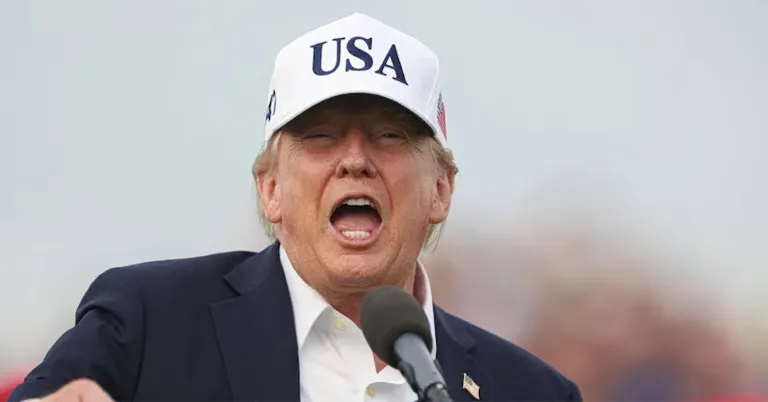
Donald Trump expressed a willingness to accept the 2026 midterm election results despite the sweeping losses sustained by the Republican Party. In an interview with The New York Times, the President noted that he is prepared to work with the Democratic party to find legislative solutions. This stance follows a night where Democrats appeared to be on track to seize control of both chambers of Congress, the House of Representatives and the Senate.
While his public rhetoric suggested a degree of cooperation, his private and social media communications revealed a much more combative attitude. The President's comments indicate a transition from an era of Republican dominance to one defined by divided government, where the executive branch must navigate a legislature controlled by the opposition.
The shift in legislative control
The emergence of a 'blue wave' has fundamentally altered the legislative capacity of the Trump administration. With Democrats poised to hold the majority in both the House and the Senate, the ability to pass significant partisan legislation is severely curtailed. This shift necessitates a new approach to governance, moving from unilateral executive influence toward a model of negotiation and compromise, even if such cooperation remains uncertain in practice.
Why did Trump distance himself from the Republican defeat?
Donald Trump attributed the Republican losses to his own absence from the ballot, claiming that his direct candidacy would have secured a landslide victory. Through a post on Truth Social, he asserted that if he had been a candidate, the party would have achieved a crushing win. This narrative serves to deflect responsibility away from the Republican candidates and the party's performance, placing the emphasis instead on the lack of his personal presence on the voting machines.
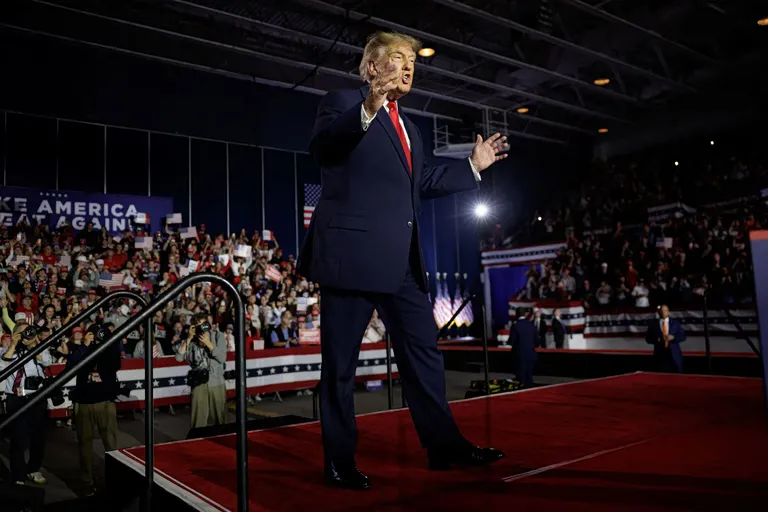
Despite his claim of detachment, the President played a central role in the election cycle. He was heavily involved in selecting key candidates and conducted an extensive campaign schedule that often eclipsed the efforts of the candidates themselves. By framing the loss as a consequence of his absence rather than a rejection of his policies, Trump maintains his influence over the party base while insulating his personal brand from the electoral setback.
Candidate quality and voter mobilization
White House officials have suggested that the quality of the Republican candidates was a contributing factor to the defeat. According to a White House source, while Trump's supporters are highly motivated to vote when he is personally on the ballot, the specific individuals chosen to represent the party failed to resonate with the broader electorate. This internal critique suggests a disconnect between the President's populist appeal and the legislative candidates' ability to win general elections.
What factors contributed to the Republican losses?
The electoral defeat appears to be a direct response to several domestic issues that have fueled voter dissatisfaction. Analysts point to the ongoing conflict in Iran and the rising cost of living as primary drivers for the 'punishment vote' cast by the American electorate. Specifically, the volatility in fuel prices and general inflation have created a difficult economic environment for the incumbent administration.
The President's influence on the election was twofold: he provided significant support to specific candidates, such as South Carolina Senator Darline Graham and Texas Attorney General Ken Paxton, yet his presence was not enough to overcome the systemic dissatisfaction with the current economic and foreign policy directions. The voters' decision seems to reflect a desire for change in leadership regarding these critical sectors.
How has Trump responded to media criticism?
Donald Trump launched a series of attacks against Fox News following the election results, accusing the network of attempting to undermine him. On Truth Social, he criticized the network's polling and even insulted a political analyst, calling her "as stupid as a fool." He claimed that the network's questioning was biased against him and that its viewership was declining due to its editorial stance.
This friction with a traditionally friendly media outlet highlights the increasing isolation of the President's communications strategy. By attacking the credibility of major news organizations, Trump seeks to maintain control over the narrative within his own echo chambers, even as mainstream outlets report on the significant shifts in the political landscape. This pattern of behavior suggests that the upcoming period of divided government will be marked by intense media warfare.
The impact of polling and perception
The President's reaction to Fox News's polling suggests a sensitivity to data that reflects public discontent. He characterized the questions as personal attacks, viewing the data not as a neutral measurement of public opinion but as a coordinated effort to damage his standing. This perception complicates the ability of media organizations to provide objective coverage that is accepted by the administration.
What are the long-term implications for the administration?
The loss of both chambers of Congress ensures that the Trump administration will face significant hurdles, particularly regarding investigations and judicial appointments. With the House of Representatives under Democratic control, the President is likely to face renewed congressional inquiries. Furthermore, the loss of the Senate limits his ability to confirm new officials, a critical issue if vacancies arise in the federal judiciary.
The current composition of the Supreme Court, where members serve effectively for life, means that the President's influence on the judiciary is reaching a plateau. Without control of the Senate to facilitate new appointments, the executive branch's ability to shape the long-term legal landscape of the United States is significantly diminished. The administration must now operate within a framework of intense scrutiny and limited legislative leverage.
The challenge of divided government
Navigating a divided government requires a level of bipartisan cooperation that has been largely absent in recent years. The President has signaled a determination to continue his fight against what he terms the "radical left," suggesting that despite the electoral results, his ideological direction will remain unchanged. This commitment to a combative stance may lead to legislative gridlock, making it difficult to address the very economic and foreign policy issues that led to the midterm losses.
Key takeaways
- Trump accepted the midterm results but claimed a landslide was possible if he had been on the ballot.
- Democrats are poised to take control of both the House of Representatives and the Senate.
- Voter dissatisfaction with fuel prices and the Iran conflict contributed to Republican losses.
- The President criticized Fox News, accusing the network of biased polling and personal attacks.
- The loss of Senate control limits the President's ability to make future judicial appointments.
FAQ: Trump midterm election results 2026
What was the main outcome of the 2026 midterms?
The 2026 midterm elections resulted in a significant defeat for the Republican Party. Democrats appeared to be on track to seize control of both the House of Representatives and the Senate, creating a period of divided government in the United States.
How did Donald Trump justify the Republican loss?
Donald Trump argued that the Republican defeat occurred because he was not personally on the ballot. He claimed via Truth Social that his direct presence in the election would have resulted in a landslide victory for his party.
What issues influenced the American voters in 2026?
Voters appeared to use the election to express dissatisfaction with the current administration's handling of the cost of living, particularly fuel prices, and the ongoing conflict in Iran. These economic and foreign policy concerns drove the shift toward Democratic candidates.
Will Trump cooperate with the Democratic-led Congress?
Trump stated in an interview with The New York Times that he is willing to accept the results and is prepared to work with the Democrats to find legislative solutions, although his social media activity remains highly critical of his political opponents.
How does the election affect the Supreme Court?
Because the Senate is expected to be controlled by Democrats, the President's ability to confirm new judicial appointments is restricted. This is particularly significant if vacancies arise in the Supreme Court, as he will lack the legislative support to shape the court's future composition.
Conclusion
The 2026 midterm elections represent a pivotal shift in American politics, moving the country into a period of divided government. While Donald Trump has publicly accepted the results and expressed a willingness to cooperate, his rhetoric suggests a deep-seated dissatisfaction with the outcome and the media's role in reporting it. The Republican defeat, driven by economic anxieties and foreign policy concerns, limits the administration's legislative reach and its ability to influence the judiciary. Moving forward, the interaction between a Democratic-led Congress and a Republican President will define the political stability and policy direction of the United States.