How does the Trump veto strategy function as political leverage?
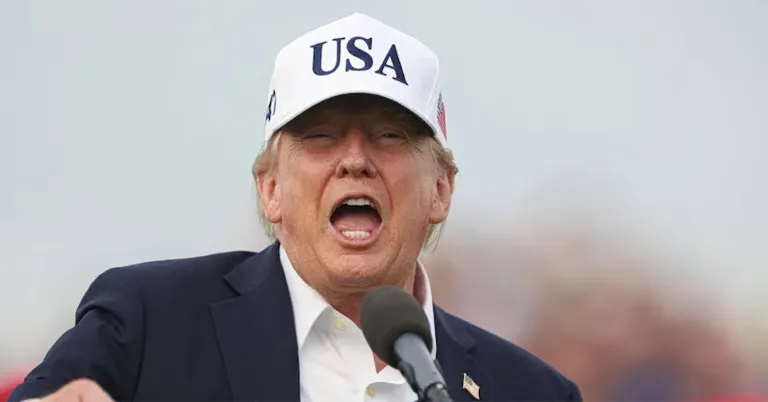
Donald Trump intends to utilize the presidential veto as a primary mechanism to compel Democratic lawmakers into bipartisan compromises. By blocking legislation passed by a Democratic-led Congress, the President aims to create a stalemate that can only be resolved through negotiation. According to Trump in a CBS News interview on election day, the historical pattern of exercising vetoes for several months often leads to opposition parties seeking a deal.
The core of this strategy relies on the fundamental power of the executive branch to halt the legislative process. If the opposition party gains the ability to pass bills, the President can effectively neutralize them unless the opposition can secure a two-thirds supermajority in both chambers to override the veto. This high threshold makes the veto a potent weapon for a President facing a hostile legislature.
The mechanics of legislative deadlock
A veto-heavy environment creates a cycle of legislative paralysis. When the President refuses to sign bills, the legislative agenda slows down, often resulting in government shutdowns or the expiration of critical funding. Trump has suggested that while the eventual deals may not be ideal for all parties, the process of using the veto will eventually bring the opposition to the negotiating table.
What are the implications of increased use of executive orders?
The administration is prepared to pivot toward governing via executive orders if Congressional cooperation remains elusive. If Democrats attempt to restrict the President's agenda through legislative means, Trump has signaled his intent to expand the boundaries of executive authority. This shift would move the center of policymaking from the halls of Congress to the White House.
Political advisors and associates of the President have indicated that the administration is ready to legislate almost exclusively through presidential decrees. This tactic is designed to maintain the momentum of the administration's policy goals without needing direct legislative approval. However, such a move often invites legal challenges and increased scrutiny from the judiciary, as the limits of executive power are frequently tested in these scenarios.
How might a Democratic majority impact the administration?
A Democratic takeover of the House of Representatives and the Senate would likely trigger an intense period of oversight and investigation. Rather than focusing solely on passing new laws, the opposition would likely dedicate significant resources to scrutinizing the current administration's actions. This creates a dual-front conflict: the President using the veto to block laws, while Congress uses oversight to challenge the executive.
The anticipated Democratic response includes several key areas of focus:
- Personnel Oversight: Intensive scrutiny of key administration officials, such as Pete Hegseth.
- Financial Investigations: Probing the economic activities and business dealings of the Trump family, including Jared Kushner.
- Legal and Ethical Reviews: Investigating matters related to existing high-profile legal cases, such as the Epstein files.
This environment suggests that even if the President successfully blocks legislation, the administration will face constant pressure through investigative committees and public hearings.
What role did the administration play in the election outcome?
Donald Trump has maintained that his active campaigning helped mitigate what appeared to be a potential "blue wave." He argued that his efforts across the country bolstered Republican performance, making the election results more competitive than many analysts had predicted. The White House has signaled that this narrative of active presidential involvement will remain its official stance even in the event of a significant electoral loss.
The President expressed confidence in the Republican performance while simultaneously preparing for a confrontational relationship with a potential Democratic majority. He noted that while he expects a positive outcome, his primary recourse in a losing scenario would be the consistent application of the veto to maintain control over the policy direction of the country.
FAQ: Trump veto strategy and Congressional relations
What is the main goal of Trump's veto strategy?
The main goal is to force Democratic lawmakers into making bipartisan agreements. By blocking legislation, Trump aims to create a situation where the opposition must negotiate with the White House to achieve any significant legislative results, effectively using the veto as a tool for political leverage.
Will the President use executive orders instead of laws?
Yes, the administration has indicated a readiness to rely heavily on executive orders. If Congress is controlled by Democrats who attempt to block the President's agenda, the administration plans to use executive authority to implement policies without needing direct legislative approval from the Capitol.
What will Democrats do if they win control of Congress?
Democrats are expected to launch intensive oversight investigations. Their focus would likely include scrutinizing administration officials, investigating the financial dealings of the Trump family, and reviewing various legal and ethical matters to hold the executive branch accountable for its actions.
Can Congress override a presidential veto?
Congress can override a veto, but it requires a two-thirds supermajority vote in both the House of Representatives and the Senate. This is a very high threshold, which is why Trump views the veto as such an effective tool for maintaining his policy agenda against an opposition party.
How does this strategy affect the legislative process?
This strategy increases the likelihood of legislative deadlock. When the President uses the veto frequently, the ability of Congress to pass meaningful new laws is diminished, leading to a period where governance may rely more on executive actions and less on collaborative lawmaking.
Key takeaways
- Trump plans to use the veto to force bipartisan negotiations with Democrats.
- The administration is prepared to govern via executive orders if Congress is hostile.
- Democrats are expected to use oversight to investigate the Trump family and officials.
- The strategy aims to prevent a Democratic legislative agenda from taking hold.
- The White House views the veto as an absolute power to protect its agenda.
Conclusion
The emergence of a "Mr. Veto" approach signals a period of heightened tension between the White House and Capitol Hill. If Democrats secure control of Congress, the United States may face a governance model defined more by executive decrees and investigative oversight than by traditional legislative cooperation. While Donald Trump views this as a necessary defense of his policy agenda, it risks creating a persistent state of political stalemate. The effectiveness of this strategy will ultimately depend on the opposition's ability to navigate vetoes and the judiciary's willingness to define the limits of expanded executive authority.