The controversy surrounding the Marcandalli incident
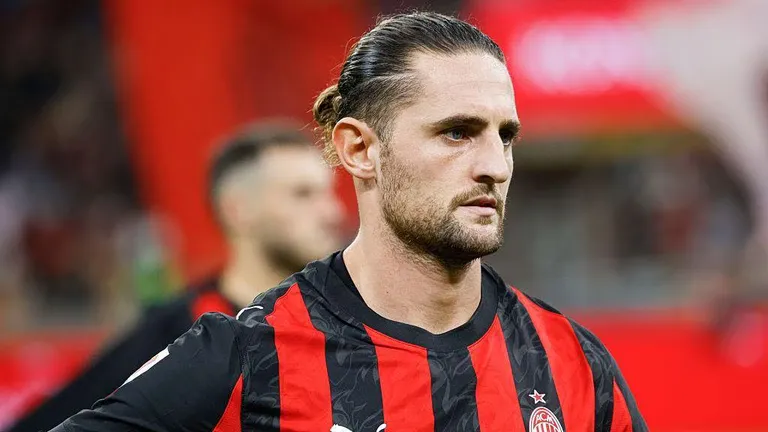
The tension erupted during the 50th minute of the Genoa-Milan match in the 10th round of Serie A. Adrien Rabiot was in a clear goal-scoring position when he was brought down by Alessandro Marcandalli, yet referee Davide Massa opted to issue only a yellow card rather than a red card. While Milan secured a 2-1 away victory, the decision remains a central point of contention for the club and its players.
The incident was reviewed by the Video Assistant Referee (VAR), but the technology ultimately upheld Massa's original on-field decision. Rabiot's frustration stems from the belief that the foul was intentional and that the failure to apply the rules for a clear goal-scoring opportunity undermines the integrity of the competition. The midfielder's reaction was not limited to the pitch, as he took to social media to voice his grievances against the entire officiating body in Italy.
VAR intervention and the official ruling
Despite the high visibility of the foul, the VAR protocol did not result in a change of decision. According to the match sequence, the refereeing team reviewed the footage but concluded that the criteria for a red card—specifically regarding a Denied Obvious Goal-Scoring Opportunity (DOGSO)—had not been met. This outcome has intensified the debate regarding the consistency of VAR application in the Italian top flight.
Gianpaolo Calvarese defends the refereeing decision
Former referee Gianpaolo Calvarese provided a technical justification for Davide Massa's decision via Instagram, attempting to explain why the red card was not warranted. Calvarese argued that for a phase to be classified as a clear goal-scoring opportunity, four specific conditions must be met simultaneously.
According to Calvarese, these four essential criteria are:
- Possession of the ball
- The general direction of the movement
- The number of defenders present in the area
- The distance from the goal
By applying these parameters, Calvarese suggested that the incident involving Marcandalli did not satisfy the full legal requirements for an automatic dismissal. This technical defense, however, served only to further incense the Milan midfielder, who viewed the explanation as an attempt to justify an unacceptable error.
Rabiot's response to the technical defense
Adrien Rabiot responded directly to Calvarese's social media post, shifting the focus from technicalities to the broader issue of professional accountability within Italian football. The 31-year-old Frenchman criticized the tendency of officials and former referees to defend errors rather than acknowledging them.
"In life, as in football, everyone can make mistakes, but at least we should be able to recognize them. Telling lies constantly will not help you evolve. And Italian football is what will pay the price. Think about it. Good night," [stated] Adrien Rabiot, Milan midfielder, via social media.
Rabiot's comments suggest that the systemic issue is not just the mistakes themselves, but the refusal of the officiating community to accept responsibility when those mistakes occur. He believes that this culture of denial will lead to long-term negative consequences for the reputation and development of Serie A.
Disciplinary consequences for Milan's technical staff
While Milan successfully secured three valuable points on the road, the match was not without its own disciplinary costs. The emotional intensity of the officiating decisions led to significant friction between the Milan bench and the match officials.
The following table outlines the disciplinary fallout from the match:
As a result of these expulsions, Milan manager Ruben Amorim is facing a tactical challenge. He will be forced to restructure his technical staff for upcoming domestic fixtures due to the suspensions incurred during this high-tension encounter.
Potential repercussions for Rabiot
The intensity of Rabiot's public criticism has raised questions about potential sanctions from the league authorities. In Serie A, players are often subject to disciplinary action for making disparaging remarks about officiating. There is speculation that the league may intervene following his social media outburst, which targeted the entire officiating corps rather than a single individual.
The impact on the reputation of Serie A
The debate sparked by the Genoa-Milan match extends beyond a single game or player. For Rabiot, the incident is emblematic of a wider trend that threatens the prestige of the Italian league. He contends that the lack of transparency and the perceived inaccuracy of officiating decisions damage the league's standing on the international stage.
The conflict highlights a growing divide between the players' perception of fairness and the technical interpretations provided by former officials. As the season progresses, the ability of Serie A to manage these high-profile disputes and ensure officiating consistency will be critical to maintaining the trust of clubs, players, and fans alike.
| Subject | Action Taken | Context |
|---|---|---|
| Alessandro Marcandalli (Genoa) | Yellow Card | Foul on Adrien Rabiot in the 50th minute |
| Milan Coaching Staff Members | Red Cards (Expulsions) | Protesting the refereeing decisions |
| Davide Massa (Referee) | Maintained Decision | Decision upheld after VAR review |