
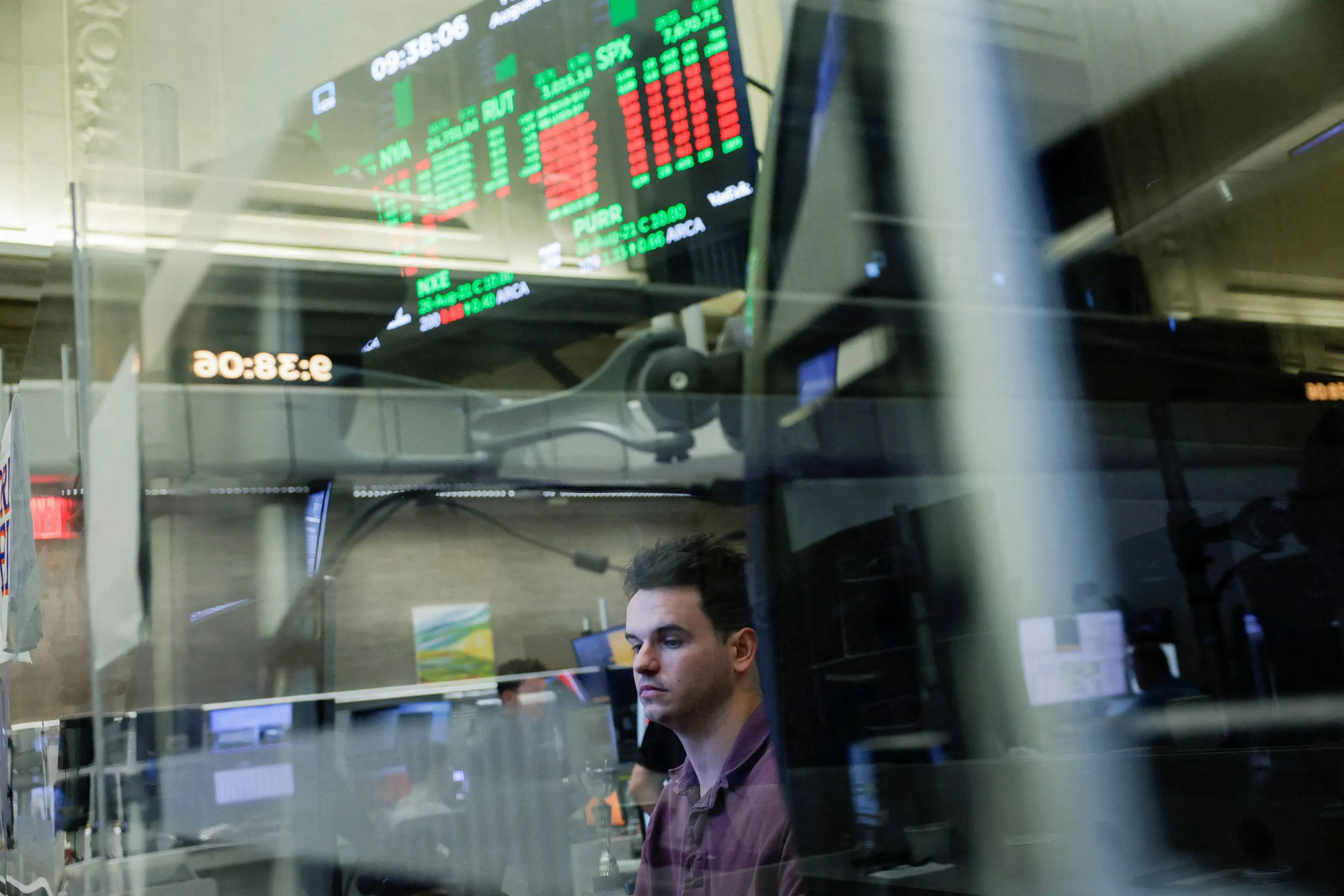
Why are AI valuations drawing comparisons to the 2008 crash?
The unprecedented scale of leveraged investments and skyrocketing valuations in the artificial intelligence sector have triggered serious warnings from major financial institutions. Analysts are noting striking similarities between the current tech surge and the period immediately preceding the 2008 global financial meltdown.
Large-scale debt accumulation is a central feature of this trend. Both established technology giants—including Nvidia, Alphabet, Meta, and Microsoft—and emerging AI startups like OpenAI and Anthropic are tapping into significant capital reserves. A notable portion of this funding is being sourced through private credit markets, creating a highly leveraged environment that concerns regulators.
The complexity of these investments has reached a level where companies are announcing participation in data center projects and selling services before the physical infrastructure is even completed. Furthermore, companies like Nvidia are engaging in intricate investment loops, involving hundreds of billions of dollars in stakes within other AI-related firms. This web of interconnectedness and high-valuation speculation is what has led the International Monetary Fund (IMF) and various central banks to suggest that tech stock prices are approaching levels reminiscent of the 2008 excesses.
The mechanics of speculative AI cycles
The current cycle is characterized by a massive influx of capital into infrastructure that is still being built. This "pre-selling" of services and the circular nature of corporate investments create a high degree of systemic risk. When companies commit to hundreds of billions of dollars in stakes and services for data centers that do not yet exist, they are betting heavily on a future that is not yet tangible.
If the projected productivity gains from AI fail to materialize quickly enough to service the massive debt used to build the necessary hardware, a significant market correction could occur. The sheer scale of the capital being moved—often through complex, interconnected stakes—means that a failure in one part of the AI ecosystem could trigger a wider contagion across the tech sector.
How is the energy shock compounding economic instability?
Rising oil prices, fueled by ongoing conflicts in the Middle East and Ukraine, are acting as a primary driver of global inflation. This energy-driven price surge creates a difficult environment for central banks attempting to manage economic stability. As energy costs drive up the cost of production and transport, inflation remains persistent and difficult to suppress.
To combat this, central banks have been forced to implement interest rate hikes. This creates a dual pressure: while the tech sector is expanding on debt, the cost of servicing that debt—along with the debt of governments and other corporations—is rising sharply. The result is a tightening of liquidity at a time when speculative activity is at its peak.
The impact on sovereign debt is also visible. Yields on government bonds in both the United States and Europe, particularly in France, have climbed to levels not seen since 2002. This increase in yields reflects the market's response to both inflation and the necessity of higher interest rates to stabilize the economy, adding another layer of complexity to the global financial landscape.
What role does private credit play in modern systemic risk?
The expansion of the private credit sector is replacing the role that subprime lending played during the 2007-2008 crisis. While the financial sector may have avoided the specific mistake of gambling on complex subprime products, the risk has shifted toward less regulated "shadow banking" entities.
According to the IMF, assets under management in private credit schemes have quadrupled over the last ten years, now totaling approximately $2 trillion. This rapid growth means that a significant portion of corporate lending, including for high-growth AI firms, is now occurring outside the traditional, highly regulated banking system.
This shift introduces new vulnerabilities. Because private credit is less transparent than traditional bank lending, the true extent of leverage and the interconnectedness of these loans may be difficult for regulators to monitor in real-time. If a downturn in the AI sector or a prolonged energy crisis leads to widespread defaults, the impact could ripple through these private credit markets with unpredictable consequences, much like the shadow banking issues of the past.
How do real estate prices and interest rates mirror past crises?
High property valuations and rising interest rates are creating a scenario that closely mimics the conditions seen before the 2008 housing bubble burst. In both eras, low interest rates initially fueled a surge in home prices, which has now been met by the reality of tightening monetary policy.
The current environment is characterized by extremely high housing costs, leading many to discuss the possibility of a real estate bubble. As the Federal Reserve, the European Central Bank, and other major central banks continue to raise rates to combat inflation, the cost of servicing mortgages—particularly variable-rate loans—is increasing significantly.
History provides a cautionary tale: during the lead-up to the 2008 crisis, as interest rates rose, homeowners found themselves unable to meet their debt obligations, leading to a collapse in property values. While the current market may lack the specific "subprime" volatility of that era, the combination of high debt servicing costs and inflated asset prices remains a significant macroeconomic risk that could trigger a broader crisis.
Frequently asked questions
Is the current AI boom a bubble?
Many central banks and the IMF have warned that AI valuations are reaching levels similar to those seen in 2008. The high degree of leverage and the massive scale of investments in unbuilt infrastructure suggest significant speculative risk that could lead to a market correction.
How does oil price volatility affect technology stocks?
High oil prices drive inflation, which compels central banks to raise interest rates. Higher interest rates increase the cost of borrowing, making it more expensive for tech companies to fund their massive AI infrastructure projects and increasing the overall risk of debt default.
What is the difference between the 2008 crisis and today?
A key difference is that the current risk is not primarily driven by subprime mortgage products. Instead, the risk is concentrated in the AI sector's high valuations and the rapid, less-transparent growth of the private credit market, which acts as a modern form of shadow banking.
Why is private credit considered a risk?
Private credit has grown to $2 trillion in assets, according to the IMF. Because this sector operates with less regulation and transparency than traditional banks, it is harder for authorities to assess the total amount of leverage in the system and the potential for contagion.
How do interest rates impact the housing market?
Rising interest rates increase the cost of mortgage repayments, especially for variable-rate loans. If homeowners cannot afford these higher costs, they may default, which can lead to a decrease in demand and a subsequent crash in property prices, similar to the 2008 crisis.
Key takeaways
- AI valuations are reaching levels comparable to the 2008 financial crisis excesses.
- Private credit assets have grown to $2 trillion, quadrupling in a decade.
- Energy-driven inflation is forcing central banks to maintain high interest rates.
- High debt servicing costs pose a risk to both corporations and sovereign governments.
- The shift from subprime lending to private credit represents a new form of systemic risk.
Conclusion
The convergence of an aggressive AI investment rally and a persistent energy shock has created a fragile economic environment. While the specific drivers of risk have shifted from subprime mortgages to private credit and high-tech speculation, the underlying themes of excessive leverage and rising interest rates remain strikingly similar to the pre-2008 era. As central banks navigate the complexities of inflation and debt servicing, the stability of the global economy will depend on whether the projected returns from AI can outpace the increasing costs of capital and the volatility of energy markets.







