
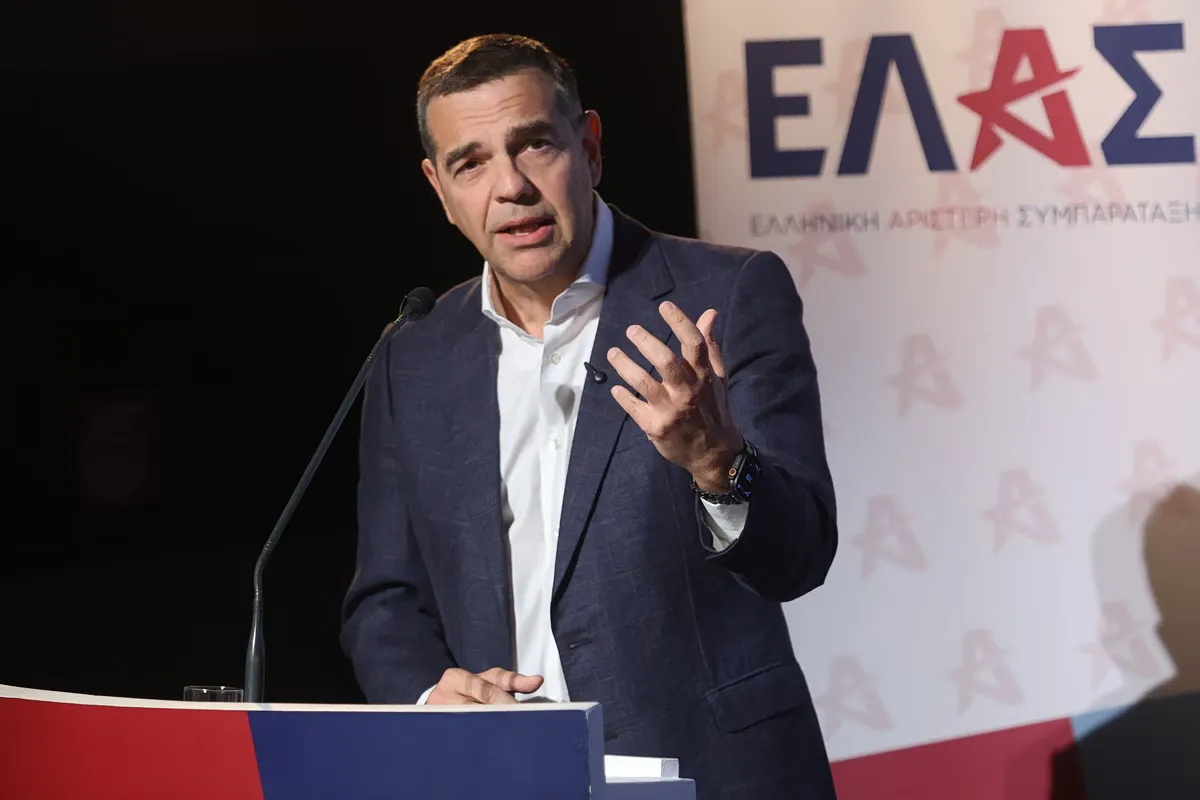
The fluidity of the current political landscape
The Greek political environment is currently characterized by high levels of uncertainty and rapid shifts in power dynamics. During a recent radio interview with Parapolitikon, Alexis Tsipras, the President of ELAS, emphasized that the nation is operating within a "fluid political reality." He noted that the future shape of the political landscape remains unpredictable for all major actors involved.
According to Tsipras, this instability is not merely a temporary phase but a fundamental change in how political forces interact. The lack of a clear direction suggests that traditional political structures may be struggling to adapt to new voter demands and socioeconomic pressures. This unpredictability creates a vacuum that new movements are beginning to fill, complicating the strategic planning of established parties.
The interview suggests that the traditional boundaries of political alignment are blurring. As different factions vie for influence, the ability to predict election outcomes or legislative stability becomes increasingly difficult. This environment of flux serves as the backdrop for the rise of ELAS as a significant disruptor in the national conversation.
Government stability and the risk of erosion
The current administration faces significant challenges in maintaining its legislative mandate and overall political authority. Alexis Tsipras expressed strong skepticism regarding the government's ability to secure a self-sufficient majority in the near future. He suggested that rather than consolidating power, the ruling body is more likely to experience a period of political erosion.
Tsipras's assessment focuses on the concept of "political wear," implying that the government's influence is diminishing under the weight of current circumstances. This erosion could manifest in several ways, including a loss of voter confidence, internal coalition friction, or an inability to pass critical legislation. The President of ELAS indicated that the signs of this decline are already becoming visible to the public.
Potential drivers of government decline
While the specific policy failures were not detailed in the interview, the implication is that the government is failing to provide the stability required by the electorate. The inability to reach self-sufficiency suggests a fragmented political landscape where the governing party cannot command the necessary consensus to lead effectively.
The emergence of ELAS as a political force
ELAS has successfully disrupted the existing political order, establishing itself as a significant player in recent polling data. Alexis Tsipras claimed that his party has "stirred the waters," creating a new reality that forces other political entities to react to their presence. This disruption is backed by emerging statistical trends that show a growing base of support.
According to Tsipras, the party's influence is clearly reflected in recent opinion polls. He noted that ELAS is reaching levels between 17% and 20% in various surveys. These figures represent a substantial shift in the distribution of political power, positioning ELAS as a major contender capable of influencing the national agenda.
This rise in popularity suggests that a significant portion of the electorate is looking for alternatives to the current political establishment. The movement from minor party status to a consistent 17-20% polling range indicates a level of organizational strength and voter resonance that cannot be easily ignored by the mainstream political class.
FAQ
What did Alexis Tsipras say about the government's future?
Alexis Tsipras stated that the current government is unlikely to achieve political self-sufficiency. He predicted that the administration is more likely to suffer from political erosion rather than strengthening its position. This assessment highlights his view that the governing body is losing its grip on the political landscape.
What are the current polling numbers for ELAS?
According to Alexis Tsipras during his interview, ELAS is seeing significant growth in recent polls. He mentioned that the party's support is reaching between 17% and 20% in various surveys. This indicates a substantial rise in the party's influence within the Greek political sphere.
How does Tsipras describe the current political climate?
Tsipras described the current state of politics as a "fluid political reality." He emphasized that the future of the political landscape is currently unknown and unpredictable. This description underscores the instability and rapid changes occurring within the nation's governing structures and voter preferences.







