
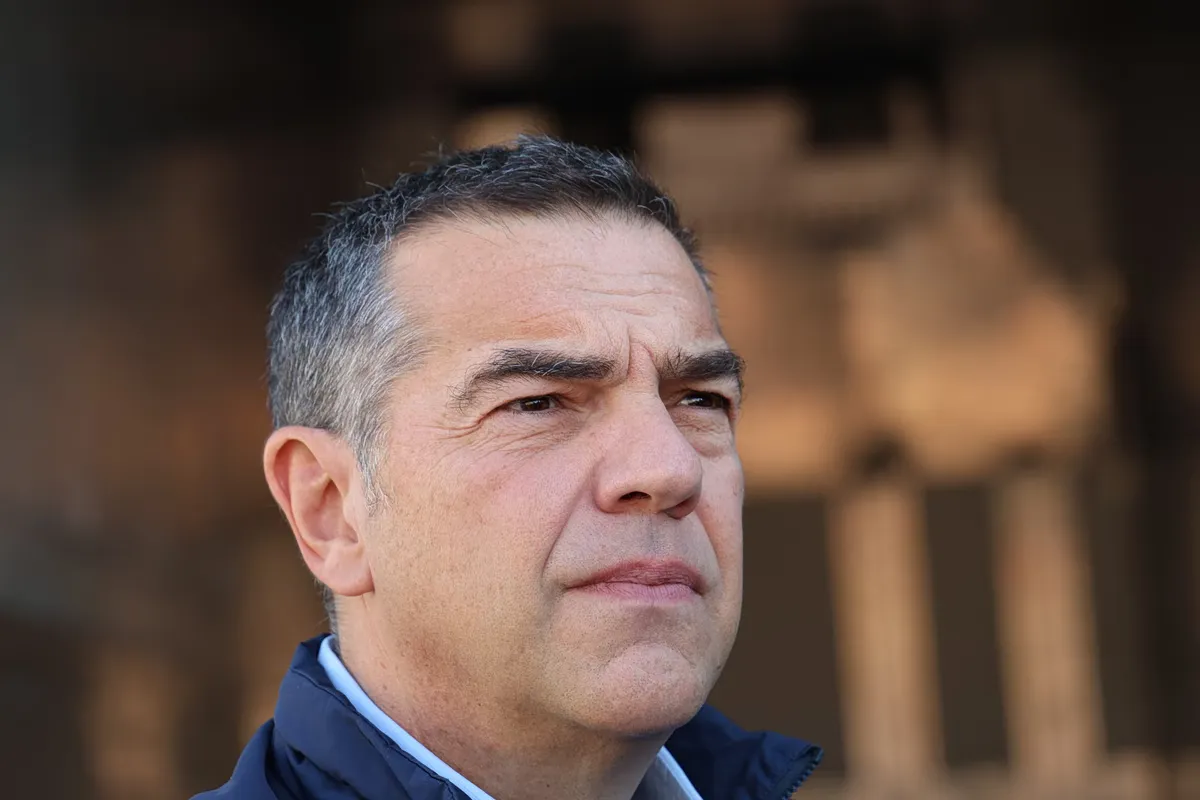
How is SYRIZA structuring its 2026 election campaign?
SYRIZA is currently undergoing a massive organizational overhaul to transition from a traditional political party into a highly mobile electoral machine. The leadership, headed by Alexis Tsipras, is working to build a nationwide mechanism from the ground up to prepare for the Spring 2026 electoral battle. This process involves a dual-track approach: strengthening the central political leadership while simultaneously deploying specialized regional units.
The party's internal structure is being reorganized to ensure that every prefecture is prepared to support the central campaign. Within the next ten days, a joint session involving sectoral leaders and the political council is scheduled to establish the fundamental pillars of the official election program. This is not merely a policy development phase but a structural mobilization intended to create a presence in every corner of the country.
The role of sectoral leaders
A key component of this new structure is the use of sectoral leaders as 'vanguards.' Before Alexis Tsipras arrives in a specific region, the corresponding party sectoral leader will conduct preliminary interventions. This ensures that the local context is addressed and that the groundwork is laid for the main campaign events, creating a layered approach to political engagement.
What are the core economic issues driving the SYRIZA agenda?
The primary focus of the Alexis Tsipras election campaign revolves around the acute cost-of-living crisis and the rising expenses associated with energy and fuel. SYRIZA intends to position itself as the defender of households struggling with inflation, which the party argues is eroding disposable incomes. This economic platform is designed to create a sharp contrast with the current administration's policies.
The party's economic team has identified three critical areas of contention:
- The Cost of Living: Targeting the erosion of purchasing power due to widespread inflation.
- Energy and Fuel: Addressing the high costs of transport and energy that impact both businesses and consumer baskets.
- Fiscal Management: Critiquing the government's handling of budget surpluses.
By focusing on these tangible, everyday struggles, SYRIZA aims to move the political debate away from abstract macroeconomic indicators and toward the lived reality of Greek citizens. This strategy involves direct engagement with professional groups, such as transporters and fishermen, who are disproportionately affected by fluctuating fuel costs and high operational expenses.
Why is the issue of budget surpluses a central campaign pillar?
A major point of political friction in the upcoming campaign is the significant discrepancy in Greece's budget surpluses. According to recent figures, the surplus has reached €4.4 billion, significantly exceeding the original target of €2.4 billion. Alexis Tsipras has labeled these 'election surpluses,' accusing the Mitsotakis government of intentional fiscal mismanagement to facilitate future populist spending.
The opposition argues that the government is maintaining high surpluses now to create a 'slush fund' for the spring. The allegation is that by withholding tax cuts on widely consumed goods and fuel, the government can later distribute these funds as 'gifts' or subsidies just before the elections. This tactic, according to SYRIZA, is a deliberate attempt to buy votes using taxpayer money under the guise of social benefits.
The critique of VAT and fuel taxation
SYRIZA is specifically targeting the government's refusal to lower Value Added Tax (VAT) on essential products and fuel. The party argues that the current surplus represents unspent potential that could be used to alleviate the immediate financial pressure on households. By framing the surplus as a missed opportunity for tax relief, Tsipras seeks to turn the government's fiscal stability into a political liability.
How will the regional tour and outreach strategy be implemented?
Starting from October 15, 2026, the campaign will adopt a high-frequency mobility model characterized by intense regional tours. Alexis Tsipras is expected to follow a rigorous schedule, conducting two 'door-to-door' style tours every ten days across various Greek provinces. This approach is intended to maximize direct contact with voters and minimize the distance between the leadership and the electorate.
In addition to these provincial tours, the campaign will maintain a constant presence in urban centers through thematic interventions. These interventions will be tailored to specific social, professional, and labor groups, ensuring that the campaign message is relevant to different demographics. This multi-layered outreach strategy aims to prevent the campaign from becoming too centralized in Athens and to ensure a national footprint.
What is the strategy for renewing the party's leadership profile?
A vital part of the SYRIZA strategy involves the introduction of new faces to refresh the party's image and broaden its appeal. The leadership recognizes that to compete effectively against the current administration, the party needs to present a diverse range of candidates who can resonate with local populations. This renewal process is happening in two distinct stages.
The first stage has already seen the identification of a group of new individuals intended to enrich the party's electoral lists. The second stage is currently underway, with the party preparing to bring forward another ten 'untainted' figures. These individuals are selected not only for their expertise but also for their perceived integrity, serving as a counter-narrative to the political establishment. This influx of new personnel is designed to revitalize the party's energy and provide a fresh perspective during the long pre-election period.
Frequently asked questions
What is the main goal of the SYRIZA election campaign?
The primary goal is to challenge the Mitsotakis government by focusing on the cost-of-living crisis, fuel prices, and the management of budget surpluses. SYRIZA aims to build a nationwide electoral machine that connects directly with professional and social groups across Greece.
Why is the budget surplus considered controversial?
The surplus has reached €4.4 billion, far exceeding the €2.4 billion target. SYRIZA argues this is a deliberate tactic to allow the government to distribute 'election gifts' or subsidies in the spring to secure votes, rather than providing immediate tax relief.
When will the intensive regional tours begin?
The intensive tour model, featuring frequent provincial visits by Alexis Tsipras, is scheduled to begin on October 15, 2026. These tours will follow a pattern of two regional visits every ten days.
How is SYRIZA planning to renew its candidate lists?
SYRIZA is implementing a two-stage renewal process. This involves identifying new local figures and introducing a group of ten 'untainted' individuals to refresh the party's image and provide new leadership options for the upcoming elections.
What role do sectoral leaders play in the campaign?
Sectoral leaders act as vanguards for the campaign. They are responsible for conducting preliminary thematic interventions in specific regions before the main leadership arrives, ensuring that local issues are addressed and the groundwork is prepared.
Key takeaways
- SYRIZA is mobilizing for the Spring 2026 elections with a focus on cost-of-living issues.
- The party is targeting the €4.4 billion budget surplus as a tool for potential pre-election subsidies.
- Alexis Tsipras will conduct intensive regional tours starting from October 15, 2026.
- A strategy of introducing 'untainted' new faces aims to refresh the party's political profile.
The road to the 2026 elections
The upcoming months represent a critical period of transition for SYRIZA as it moves from internal reorganization to active public campaigning. By centering its platform on the economic pressures facing Greek households—specifically inflation and energy costs—the party is attempting to create a direct link between its policy proposals and the daily struggles of the electorate. The success of this strategy will depend on the party's ability to effectively mobilize its new organizational structure and successfully frame the government's fiscal surpluses as a political choice rather than a purely economic outcome.







