Thematic depth in Arkas cartoon commentary
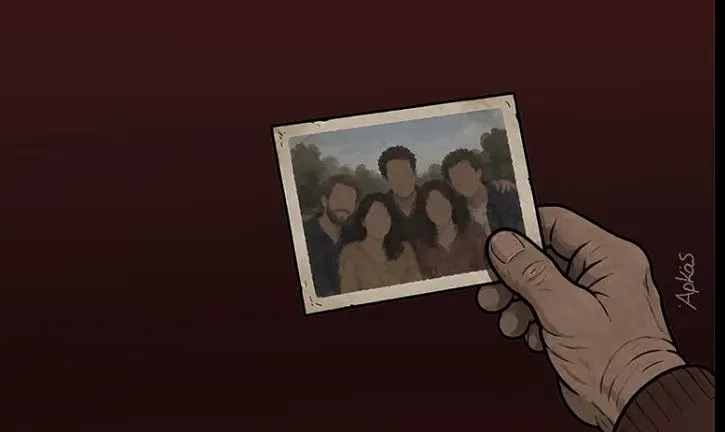
The core of recent Arkas cartoon commentary lies in the artist's ability to evoke deep emotional responses through simple yet profound imagery. By utilizing historical photographs or sketches, the artist bridges the gap between different eras, inviting the viewer to reflect on the passage of time. This method transforms a simple daily greeting into a moment of collective introspection.
The artist often employs a technique where the visual element serves as a catalyst for a broader social or personal realization. Instead of focusing solely on immediate political events, the commentary tends to lean toward the human condition. This approach ensures that the work remains relevant across different cultural contexts, as the themes of memory and friendship are universal. By looking backward, the artist provides a mirror for the present, suggesting that our current identities are inextricably linked to the people and places we have left behind.
Nostalgia as a tool for social connection
Nostalgia serves as a primary vehicle in the latest Arkas cartoon commentary, acting as more than just a sentimental tool. It functions as a way to build community among readers who share similar experiences of growth and change. The artist's recent observation, "Growing up, we often visit the past. We have so many friends there," encapsulates this sentiment perfectly.
This specific line highlights how memory acts as a social repository. For many, the "friends" mentioned are not just people, but the versions of ourselves and the social structures that defined our youth. In a rapidly changing digital world, this focus on the permanence of memory provides a grounding effect. The commentary suggests that while the physical world evolves, the emotional landscape of our past remains a constant source of strength and connection. This thematic consistency is what allows the artist to maintain a loyal following that seeks out his daily insights.
The evolution of visual social commentary
The evolution of the artist's style demonstrates a sophisticated understanding of how visual media functions in the modern age. While many contemporary commentators rely on aggressive or polarizing imagery, the Arkas approach remains observational and gentle. This distinction is crucial in a media landscape often dominated by conflict-driven content.
By choosing to highlight the beauty of the past and the continuity of human relationships, the commentary offers a respite from the noise of the 24-hour news cycle. The sketches and photographs used are not merely decorations; they are essential components of the narrative. They provide the necessary context for the written word, creating a multi-layered experience for the reader. This synergy between text and image is a hallmark of high-quality editorial cartooning, ensuring that the message is conveyed both intellectually and emotionally. As the artist continues to explore these themes, the work remains a significant example of how traditional cartooning can adapt to modern social media platforms without losing its soul.
Frequently Asked Questions
What is the main theme of recent Arkas commentary?
The main theme revolves around nostalgia and the connection between the past and the present. The artist uses historical imagery to prompt reflections on memory, friendship, and the personal growth that occurs as we age, offering a philosophical perspective on life.
How does Arkas use imagery in his work?
Arkas uses imagery, such as old photographs or sketches, to provide a visual foundation for his social commentary. This imagery acts as a bridge, allowing the audience to connect emotionally with the written reflections and understand the historical context being discussed.