What challenges has the Batman sequel faced?
The production of the highly anticipated sequel, titled Batman: Part II, has encountered a series of significant hurdles that have left the project in a precarious position. Following the massive success of Matt Reeves' 2022 interpretation of the Caped Crusader, the sequel was greenlit with immense pressure to maintain the momentum established by its predecessor. However, instead of a smooth transition into production, the project has been plagued by a succession of delays that have led some to describe it as a 'cursed' endeavor.
The timeline of these difficulties has been compounding, with one setback following another. The most recent and critical blow occurred just a week ago, when it was announced that filming had been effectively 'frozen.' This halt was attributed to director Matt Reeves facing unexpected personal and family issues, which necessitated his immediate attention away from the set. This latest disruption, following a history of scheduling shifts, has led observers to compare the project's troubled trajectory to the legendary 'Bridge of Arta,' suggesting a state of ongoing instability and struggle. The cumulative effect of these delays has raised questions about the film's ability to reach completion without external intervention.
How did Steven Soderbergh become involved?
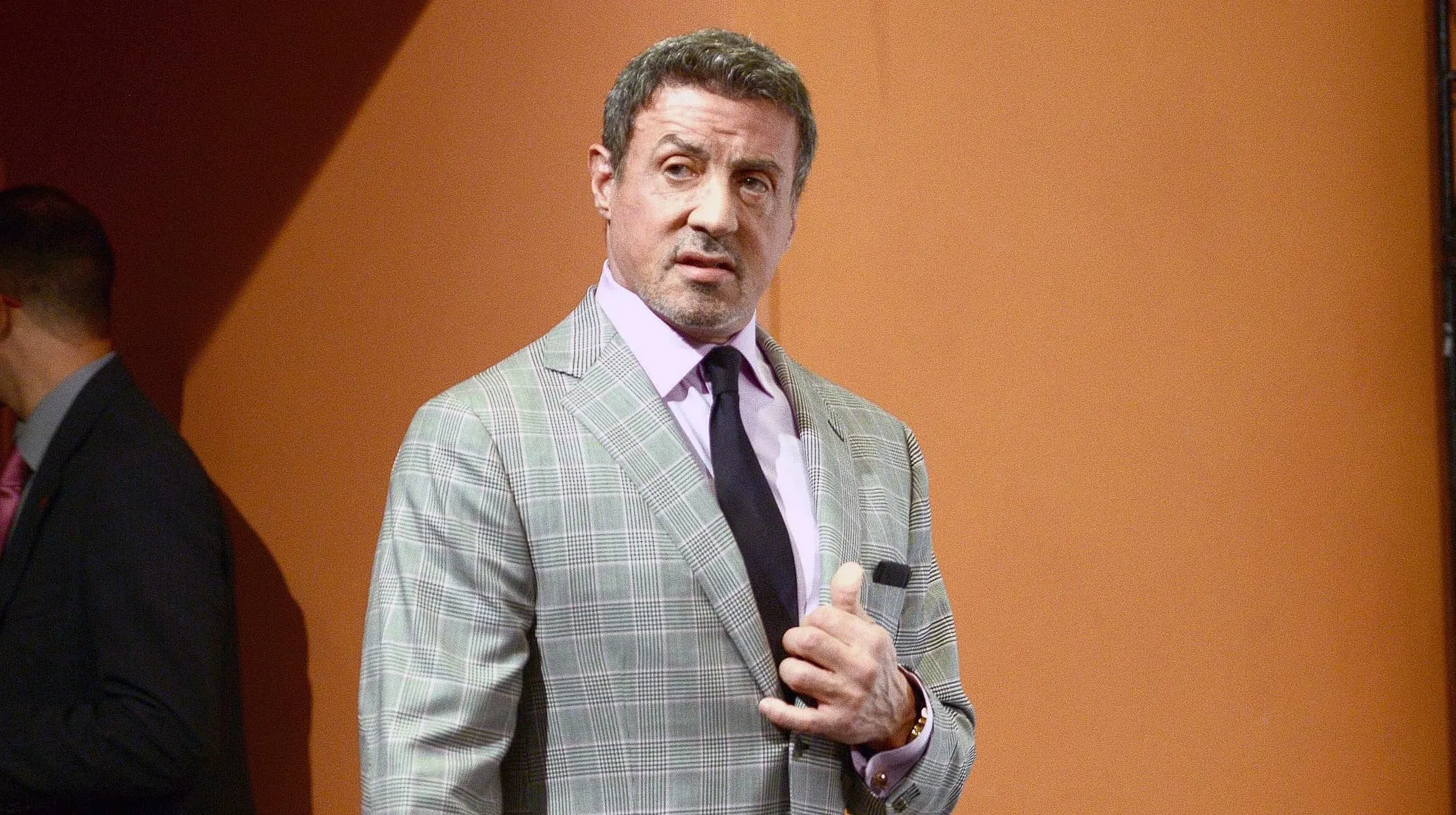
In response to the growing instability of the production, the acclaimed filmmaker Steven Soderbergh has stepped forward to provide much-needed stability. According to reports from Variety, the 60-year-old director did not wait to be asked; instead, he proactively reached out to Matt Reeves to offer his expertise and assistance. Soderbergh's decision to intervene comes at a critical juncture where the production requires a steady hand to navigate the final stages of principal photography.
This offer was not met with hesitation. Both DC Studios and Matt Reeves welcomed the involvement of a creator with Soderbergh's unique pedigree. Soderbergh is widely recognized for his remarkable ability to navigate the delicate balance between independent cinema and large-scale commercial filmmaking, all while maintaining a distinct artistic identity. His involvement is seen as a strategic lifeline for the production. As DC Studios noted in an official announcement, while Reeves manages his personal matters, Soderbergh—driven by his passion for the craft—has stepped in to ensure that the final weeks of principal photography can be completed effectively. This collaboration aims to bridge the gap created by the recent production freeze, ensuring that the momentum of the shoot is not lost entirely.
What is the impact of these challenges on DC Studios?
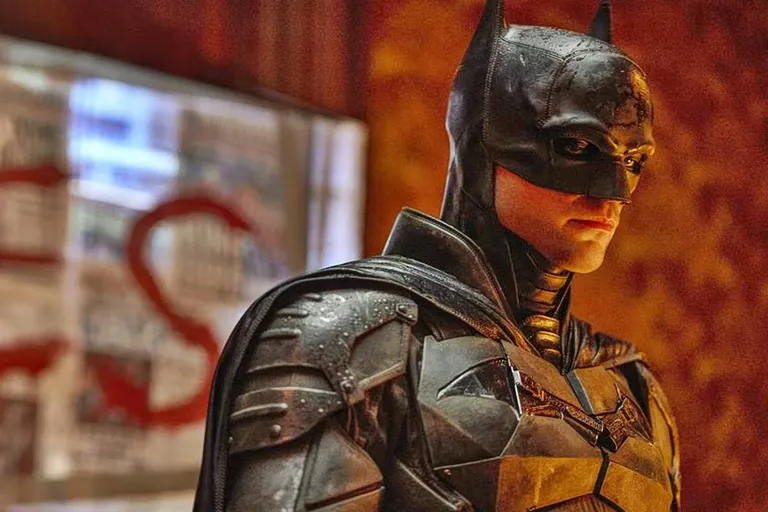
The production struggles surrounding Batman: Part II carry significant weight for DC Studios, given the immense stakes involved. When Matt Reeves released his version of the Batman in 2022, the studio recognized it as a massive commercial and critical triumph. The film, starring Robert Pattinson, was hailed by critics for its dark, gothic atmosphere and managed to capture the global audience, grossing over $770 million at the box office. This success positioned the Batman franchise as a cornerstone of the DC brand, even being viewed as a potential way for the studio to regain a competitive edge in the superhero film landscape.
Because the first film was considered the most successful DC release of the current decade, the pressure on the sequel is unprecedented. The ongoing delays and the recent halt in filming pose a direct threat to the studio's ability to meet its projected release windows and financial goals. Every delay represents more than just a scheduling conflict; it represents a potential disruption to the studio's broader strategic roadmap. However, the proactive involvement of a figure like Steven Soderbergh has provided a much-needed sense of relief. By bringing in a seasoned professional to help stabilize the production, DC Studios is attempting to mitigate the risks of further delays and protect the massive investment they have placed in the Reeves-led Batman universe.
What are the expectations for Batman: Part II?
Despite the turbulent production history, the expectations for Batman: Part II remain exceptionally high. The bar was set remarkably high by the 2022 film, which succeeded in creating a specific, moody aesthetic that resonated deeply with both critics and fans. There is a profound anticipation for a continuation of that dark, gothic atmosphere that has become synonymous with Reeves' vision of Gotham City.
The involvement of Soderbergh is expected to play a key role in meeting these high standards. Soderbergh himself has expressed a clear goal: to work closely with Reeves and his existing team to ensure that any new footage created during this period integrates seamlessly with what has already been shot. The objective is to maintain the creative integrity of the project while ensuring the film is completed to the highest possible quality. Rather than seeing this as a change in direction, the industry views it as a collaborative effort to safeguard the vision that made the first film a global phenomenon. The focus remains on delivering a sequel that is worthy of the $770 million legacy established by its predecessor.
How have Matt Reeves and Steven Soderbergh responded to the situation?
The response from the primary figures involved has been one of professional cooperation and mutual respect. Matt Reeves addressed the situation directly on social media to clear up any misconceptions regarding his role. In a post on X (formerly Twitter), Reeves explicitly stated, "Just to be clear, I am not leaving The Batman Part II." He emphasized that his absence from the set is temporary and driven by the need to handle a challenging personal period. Reeves expressed profound gratitude toward Soderbergh for stepping in to assist with the completion of principal photography, signaling that the director remains fully in control of his vision.
Steven Soderbergh has also been vocal about his commitment to the project. In an official statement, he offered high praise for Reeves' work, describing the director's performance on the initial Batman film as "impressive." Soderbergh's approach is not that of a replacement, but of a collaborator. He stated that his aim is to work alongside Reeves and the production crew to create material that fits perfectly into the existing tapestry of the film. This public alignment between the two directors serves to reassure fans and stakeholders that the production is moving toward a unified and successful conclusion, despite the obstacles encountered along the way.
Frequently asked questions
Why was the Batman sequel delayed?
The production of Batman: Part II has faced multiple delays due to various scheduling issues and a recent halt in filming caused by director Matt Reeves needing to attend to personal and family matters.
Who is Steven Soderbergh?
Steven Soderbergh is a highly acclaimed, award-winning filmmaker known for his ability to work successfully in both independent and commercial cinema. He has stepped in to assist Matt Reeves with the final stages of the Batman sequel.
What is the significance of Soderbergh's involvement?
Soderbergh's involvement provides professional stability to the production. His goal is to help complete the principal photography and ensure that new footage integrates seamlessly with the work Reeves has already completed.
How successful was the first Batman film by Matt Reeves?
The first film was a major success, earning over $770 million at the global box office and receiving widespread critical acclaim for its unique gothic atmosphere and direction.
What are the expectations for Batman: Part II?
Expectations remain very high, with fans and critics looking for a continuation of the dark, atmospheric style established in the first film, supported by the combined expertise of Reeves and Soderbergh.
Key takeaways
- Batman: Part II has faced significant production hurdles, including a recent halt in filming due to Matt Reeves' personal circumstances.
- Acclaimed director Steven Soderbergh has proactively offered his assistance to help complete the film's principal photography.
- DC Studios has welcomed Soderbergh's involvement as a way to stabilize the project and protect the franchise's future.
- Matt Reeves has clarified that he is not leaving the project and remains the director of the sequel.
- The primary goal of the collaboration is to ensure the sequel maintains the high quality and gothic aesthetic of the first film.
Conclusion
The production journey of Batman: Part II has been anything but straightforward, marked by delays that threatened to derail one of DC Studios' most important projects. However, the intervention of Steven Soderbergh marks a turning point in this narrative. By stepping in to support Matt Reeves during a difficult personal time, Soderbergh is helping to transform a potentially fractured production into a collaborative effort aimed at excellence. As the film moves toward the completion of its principal photography, the focus shifts from managing crises to ensuring that the dark, immersive world of the Batman is brought to life with the precision and artistry that fans have come to expect. The successful navigation of these challenges may ultimately serve to strengthen the film, proving that even in the face of uncertainty, a dedicated creative team can overcome the odds.