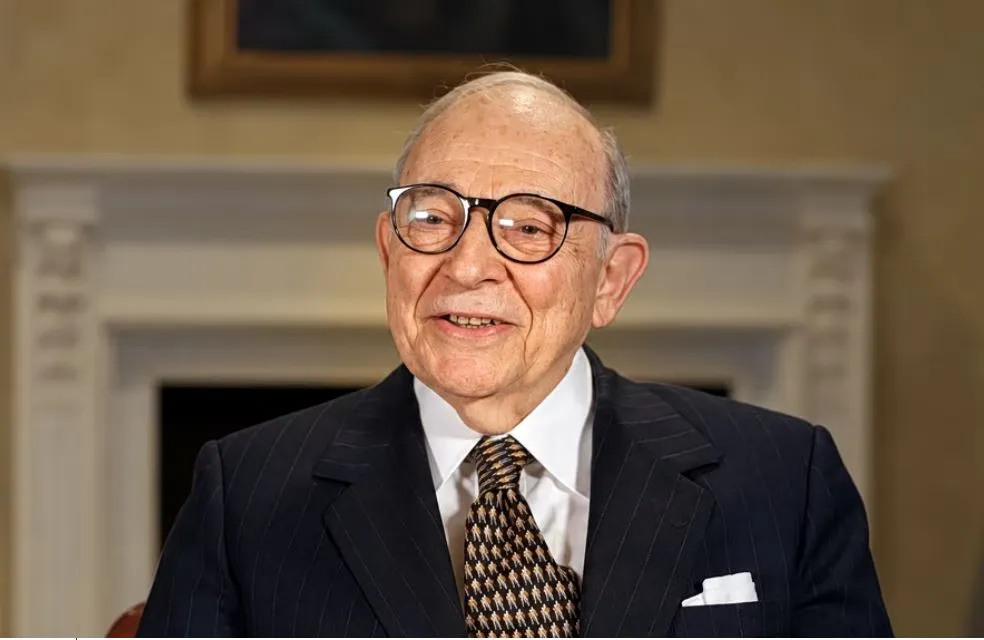
Who was Malcolm Wiener and what was his impact on archaeology?
Malcolm Wiener was a prominent archaeologist whose career spanned over fifty years, focusing heavily on the Aegean civilizations of the Bronze Age. He was not merely a financier of the arts but a respected scholar in his own right, contributing extensively to the academic understanding of the Eastern Mediterranean. His work bridged the gap between commercial success and scientific rigor, allowing him to leverage his resources to advance the field of classical studies.
As a researcher, Wiener published numerous significant scientific papers that explored the complex relationships between Aegean cultures and their neighbors in the Eastern Mediterranean. His expertise helped clarify the historical trajectories of Bronze Age societies, providing a foundation for modern archaeological interpretations. His dual identity as both a practitioner and a patron allowed him to understand the specific needs of field research, from the necessity of granular data collection to the long-term requirement for institutional stability.
Scientific focus and academic contributions
Wiener’s academic output focused on the intricate social and economic networks of the Bronze Age. By examining the connections between the Aegean and the wider Mediterranean, his research helped contextualize the rise and fall of various prehistoric civilizations. This scholarly depth ensured that his philanthropic efforts were always aligned with the actual needs of the scientific community.
How did Malcolm Wiener support Greek cultural heritage?
The philanthropic legacy of Malcolm Wiener is characterized by the establishment and sustained funding of vital research centers and academic laboratories. His support went beyond simple donations; he actively oversaw and financed a multitude of initiatives designed to elevate the visibility of Ancient Greek civilization. Through his involvement, he ensured that archaeological sites were not only excavated but also preserved and studied with modern scientific precision.
Minister of Culture Lina Mendoni noted that Wiener’s contributions were indispensable to the preservation of Greece's cultural heritage. His ability to provide both financial backing and strategic direction allowed for the creation of permanent structures within the archaeological community. These institutions serve as the backbone for ongoing research into the Aegean's prehistoric past, ensuring that the study of these civilizations continues for future generations.
Key institutions supported by Wiener
One of his most significant achievements was the creation and practical support of the Center for the Study of Eastern Crete. This institution has become a cornerstone for understanding the specific historical nuances of the Cretan landscape. Additionally, his influence extended to the American School of Classical Studies at Athens, where he served as a long-standing member and Chairman of the Board of Directors.
What specific institutions did he help establish or lead?
Malcolm Wiener was instrumental in the founding and operational success of several high-profile archaeological organizations. His influence is particularly visible in the United States and Europe, where he established frameworks for academic excellence and field research. These organizations provided the necessary infrastructure for scholars to conduct long-term studies that would otherwise have been impossible due to funding constraints.
- The Institute of Aegean Prehistory: Based in Philadelphia, USA, this institute received extensive grants and scholarships for field research under Wiener's auspices.
- The Wiener Laboratory for Archaeological Science: Located at the American School of Classical Studies in Athens, this laboratory represents his commitment to integrating scientific methodology into traditional archaeology.
- University Endowments: Wiener funded various university chairs and scholarships across both America and Europe, benefiting hundreds of individual researchers throughout his lifetime.
By creating these specialized hubs, Wiener ensured that the methodology of archaeology would evolve alongside technological advancements. The Wiener Laboratory, in particular, highlights his foresight in recognizing that modern archaeology requires a rigorous scientific approach to soil analysis, dating, and material science.
What was the scale of his philanthropic involvement?
The scale of Malcolm Wiener's generosity was significant, as he dedicated a substantial portion of his personal wealth to the advancement of science. This was not a sporadic act of charity but a structured, lifelong commitment to academic excellence. His funding models provided stability to research projects that often face the volatility of short-term grant cycles.
His support covered a wide spectrum of archaeological needs, ranging from micro-level funding for individual student scholarships to macro-level support for the creation of entire research departments. This comprehensive approach ensured that the entire pipeline of archaeological study—from student training to senior professorships—was fortified. According to Minister Mendoni, the sheer volume of his contributions remains almost immeasurable in its impact on the field.
A legacy of professional empowerment
By funding university chairs and research scholarships, Wiener empowered a generation of archaeologists. This investment in human capital meant that his influence would be felt through the work of the hundreds of scholars who received his support. This method of philanthropy ensured that his passion for Ancient Greece would be carried forward by the very people dedicated to its study.
Frequently asked questions
What was Malcolm Wiener's primary field of study?
Malcolm Wiener was a distinguished archaeologist specializing in the Aegean civilizations of the Bronze Age. His research focused on the complex interactions between these prehistoric societies and the broader cultures of the Eastern Mediterranean, contributing significantly to the academic understanding of the region's history.
Which major institutions did he support?
He was a key supporter of the Institute of Aegean Prehistory in Philadelphia and the Center for the Study of Eastern Crete. He also played a vital role in the American School of Classical Studies at Athens, serving as a member and Chairman of the Board.
How did he impact the archaeological community?
Wiener impacted the community by founding research centers like the Wiener Laboratory for Archaeological Science and funding numerous university chairs and scholarships. His support provided the financial and institutional stability necessary for long-term archaeological research and the training of new scholars.
What was his role at the American School of Classical Studies?
At the American School of Classical Studies in Athens, Wiener served for many years as both a member and the Chairman of the Board of Directors. His leadership helped guide the institution's strategic direction and its contributions to classical studies.
How is his legacy described by the Greek government?
The Greek Minister of Culture, Lina Mendoni, described him as a rare individual who combined the qualities of a successful businessman with those of an eminent scientist. She emphasized his lifelong dedication to protecting and promoting Greece's cultural heritage.
Key takeaways
- Malcolm Wiener passed away at age 91 after over 50 years of archaeological service.
- He was a prominent scholar of Bronze Age Aegean civilizations and Mediterranean relations.
- He founded or supported the Institute of Aegean Prehistory and the Center for Eastern Cretan Studies.
- His philanthropy funded hundreds of researchers through university chairs and scholarships.
- He served as Chairman of the Board for the American School of Classical Studies in Athens.
Conclusion
The passing of Malcolm Wiener marks the end of an era for Aegean archaeology. His life's work was defined by a unique synergy between academic scholarship and strategic philanthropy. By establishing lasting institutions and funding the next generation of researchers, he ensured that his passion for the ancient world would endure. While his personal presence is lost, the "deep roots" he planted through the Wiener Laboratory and other research centers will continue to bear fruit, sustaining the study of Greek heritage for decades to come.