Why did Brazil ban online betting?
On September 25, 2026, Brazilian President Luiz Inácio Lula da Silva issued a temporary decree that fundamentally altered the country's economic landscape. The order bans online betting, online casinos, and all related advertising. Lula described the move as "harsh, drastic, and necessary," positioning it as a vital intervention to protect the social fabric of the nation.
The President's primary motivation is the mitigation of social consequences stemming from gambling addiction. In a striking comparison, Lula likened the spread of online betting to the crack cocaine epidemic, noting its capacity to destroy millions of families by transforming addiction into a mechanism for economic profit. He specifically highlighted the danger posed by the digital nature of these platforms, which allow users to access gambling services instantly via mobile phones, making the addiction harder to control than traditional forms of gambling.
While the decree has already led to the deactivation of various betting platforms and the suspension of advertising campaigns, its long-term legality remains in flux. The Brazilian Congress has been granted a 120-day window to either approve or reject the decree. Until then, the industry remains in a state of forced paralysis, leaving both the government and the private sector in a period of intense uncertainty.
What is the economic impact on Brazilian football?
The timing of this ban creates a significant shock for the Brazilian football industry, which has recently undergone a period of unprecedented growth. For years, the influx of betting-related capital has served as a cornerstone of the sport's financial model. According to data cited by the Brazilian outlet UOL, sponsorships from betting companies account for approximately 7.9% of the total revenues of Brazilian football clubs. This translates to an estimated €203 million annually being stripped from the ecosystem.
While the majority of club revenues are derived from other sources—including commercial agreements, television rights, and prize money from organizations such as FIFA, CONMEBOL, and domestic leagues—the loss of the betting sector is not a minor adjustment. It represents the removal of a major financial pillar at a moment when the league is attempting to solidify its status as a global powerhouse. The sudden disappearance of these funds threatens to disrupt the liquidity that has allowed clubs to compete on an international scale.
How are clubs responding to the ban?
The reaction from football clubs has been immediate and, in some cases, visually symbolic. During a recent training session for Flamengo, players were seen covering the logos of betting sponsors on their jerseys with black tape, a stark visual representation of the sudden void left by the ban. The clubs are currently facing a reality where their primary revenue streams have been severed without any period of transition or preparation.
Flamengo, one of the nation's most prominent clubs, is among those standing on the front lines of this financial crisis. The club's president, Luis Eduardo Baptista, provided a grim outlook on the situation during an interview with CNN Brasil. He estimated that Flamengo's direct revenue losses for the upcoming year could range between €71.24 million and €76.58 million. Baptista emphasized that the club is operating strictly within the law and does not seek state aid or favors, but he stressed that stopping such a massive "hemorrhage" of funds is impossible without prior preparation.
The crisis is not limited to Flamengo; Palmeiras is also identified as a club that will face significant economic pressure due to its heavy reliance on betting sponsorships. As these major clubs grapple with the sudden loss of income, the entire structure of the league is forced to reconsider how it will fund its operations and maintain its competitive edge.
How does the ban affect player transfers and contracts?
To understand the gravity of the ban, one must look at the recent transfer history of the Brazilian league. In recent years, the market has evolved into a highly lucrative arena, driven by the entry of investment funds and the transformation of many clubs into Football Corporations (known as SAF). This structural shift allowed clubs to engage in massive spending that would have been unthinkable just a few years ago.
Recent high-profile transactions illustrate this newfound purchasing power:
Furthermore, the ban threatens to dampen the momentum of international stars arriving in Brazil, such as Memphis Depay and Saul Ñíguez. Without the financial stability provided by sponsors, the league's ability to attract and retain top-tier talent—both domestic and international—could be significantly diminished.
What are the broader implications for Brazilian football?
The current situation exposes a deep-seated contradiction within the Brazilian landscape. On one side, the government is acting to mitigate the social damage caused by gambling addiction, viewing it as a public health and social stability issue. On the other side, the professional football industry is being asked to survive the sudden removal of one of its most vital financial engines.
The long-term consequence of this policy may be a contraction of the Brazilian football market. While the move toward SAF models and foreign investment has brought growth, that growth was partially subsidized by the betting industry. If the ban remains in place, clubs that have made massive investments will be forced to hunt for new, perhaps less lucrative, sources of funding. There is a real risk that the dynamic of high-value players returning to Brazil could be stifled, potentially altering the competitive balance and global appeal of the league.
Ultimately, the future of the sport's economic trajectory depends on the legislative outcome. The tension between social responsibility and economic reality remains unresolved, leaving the Brazilian football community in a state of high-stakes waiting as they look toward the decisions of the Congress.
Frequently asked questions
What prompted the betting ban in Brazil?
President Lula da Silva introduced the ban to combat the social consequences of gambling addiction, which he compared to the crack epidemic, citing its destructive impact on families and its constant accessibility via mobile devices.
How much do betting sponsorships contribute to Brazilian football?
Betting sponsorships represent approximately 7.9% of the total revenues of Brazilian football clubs, which is estimated to be around €203 million per year.
Which clubs are most affected by the ban?
Major clubs like Flamengo and Palmeiras are at the forefront of the impact due to their high volume of revenue derived from betting sponsorships.
Can Brazilian clubs find alternative funding sources?
While clubs are exploring new ways to fund their operations, the suddenness of the ban makes it difficult to replace the massive loss of income without significant financial strain.
What is the potential impact on player transfers?
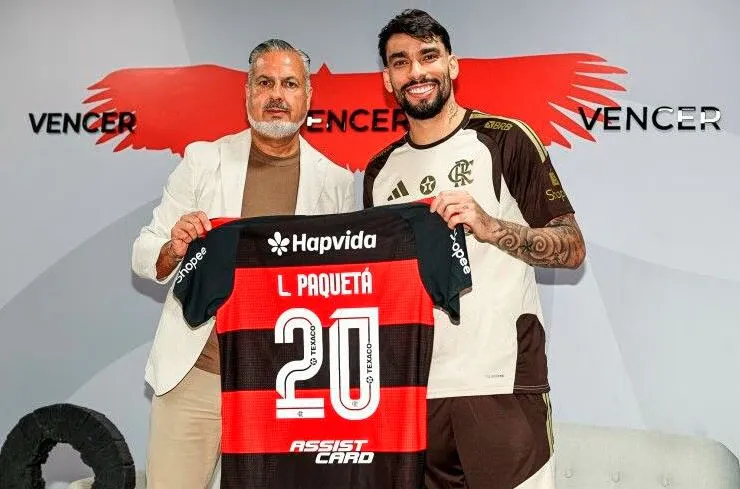
The loss of revenue could hinder the ability of clubs to afford high-profile transfers—like the €42 million Paquetá deal—and may limit their capacity to retain top players.
Key takeaways
- Brazil has implemented a ban on online betting and casinos to address social addiction issues.
- The ban threatens approximately €203 million in annual sponsorship revenue for Brazilian football clubs.
- Clubs like Flamengo face immediate and massive revenue losses, potentially reaching over €76 million.
- The financial stability of high-value transfers and the retention of star players are at risk.
- The long-term economic impact depends on whether the Brazilian Congress approves the presidential decree.