Why are Brent crude oil prices declining?
Brent crude oil prices are retreating primarily due to renewed diplomatic optimism in the Middle East. Following high-level talks in Tehran involving representatives from Saudi Arabia, Turkey, and Pakistan, markets have begun to price in the possibility of a de-escalation in the ongoing conflicts involving Iran and the US/Israel axis. According to Reuters, these discussions have fostered hopes for progress in negotiations, which directly mitigates the immediate fears of a massive supply disruption.
The market is currently characterized by profit-taking. After prices surged to multi-month highs last week, investors are locking in gains as the immediate threat of total regional war appears slightly less certain. However, this relief remains fragile. While the diplomatic track is opening, the underlying geopolitical environment remains highly unstable, preventing a more significant or sustained collapse in prices.
The role of diplomatic negotiations
The talks held in Tehran on Monday represent a significant multilateral effort to stabilize the region. By involving regional powers like Turkey and Pakistan alongside Saudi Arabia, the dialogue aims to create a broader consensus for peace and security. If these discussions lead to a sustained reduction in hostilities, the 'geopolitical risk premium' currently baked into oil prices could evaporate, leading to further downward pressure on Brent and WTI benchmarks.
What is the impact of geopolitical tension on oil volatility?
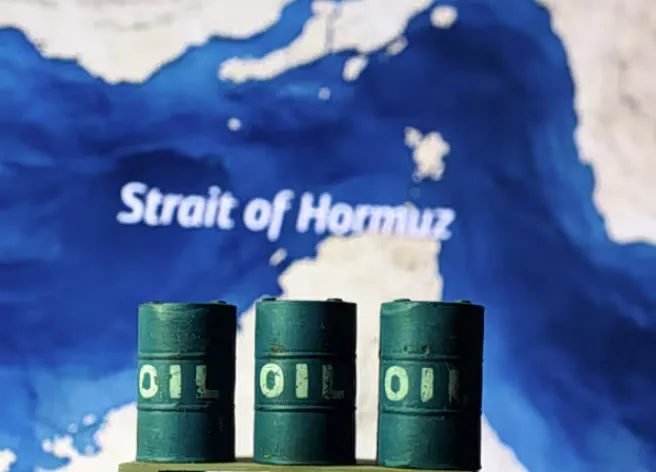
Geopolitical tensions continue to serve as the primary driver of extreme volatility in the energy sector. Even as prices dip, the market remains sensitive to any news regarding the conflict between the US/Israel and Iran. Last week, Brent crude prices skyrocketed above $117 per barrel—the highest level since April—following a series of Iranian attacks on tankers near the Strait of Hormuz. This spike demonstrated how quickly supply-chain fears can override other market fundamentals.
The volatility is exacerbated by the asymmetric nature of the conflict. While diplomatic talks progress, sudden military actions, such as recent Houthi attacks against Saudi Arabia, serve as immediate reminders of the potential for sudden supply shocks. These incidents create a 'seesaw' effect in the markets: diplomatic progress pushes prices down, while kinetic military actions push them back up almost instantly.
How is maritime security affecting the Strait of Hormuz?
Maritime security in the Strait of Hormuz and surrounding waters has reached a critical low point, directly impacting global oil flows. According to a Washington-based think tank that tracks global maritime security incidents since 2017, October has emerged as the most dangerous month for commercial vessels in these vital shipping lanes. The increased frequency of attacks on merchant ships has created a climate of uncertainty for the energy industry.
The Strait of Hormuz is a global chokepoint; any disruption here has immediate and profound consequences for the global economy. The current instability is not merely a theoretical risk but a documented reality evidenced by the surge in reported incidents. This heightened threat level keeps a floor under oil prices, as traders remain wary that a single major incident in the Strait could paralyze a significant portion of the world's oil transit.
Analyzing maritime security data
The data provided by maritime monitoring organizations indicates a clear trend of escalating risk. The concentration of attacks in the Strait of Hormuz and adjacent routes suggests that the maritime domain has become a primary theater for regional proxy conflicts. For energy companies and global shippers, this necessitates higher insurance premiums and more complex routing, both of which contribute to the overall cost and volatility of the energy supply chain.
What are the current risks to the global oil supply chain?
The global oil supply chain is facing multifaceted pressures involving supply, refining, and storage. According to a note from ANZ Research, the market is currently vulnerable across several critical dimensions: supply availability, logistics, inventory levels, and refining capacity. These vulnerabilities mean that even small disruptions can have disproportionate effects on global prices.
Specific data points highlight the severity of the current situation:
- Reduced Gulf Exports: Crude oil exports from the Persian Gulf have declined for the fourth consecutive week.
- Chokepoint Throughput: Flows through the Strait of Hormuz have dropped to approximately 60% of their normal levels.
- Low Refined Inventories: Global stocks of refined petroleum products remain nearly 5% below the five-year average.
These factors create a