What are the specific charges in the Choriatiko investigation?
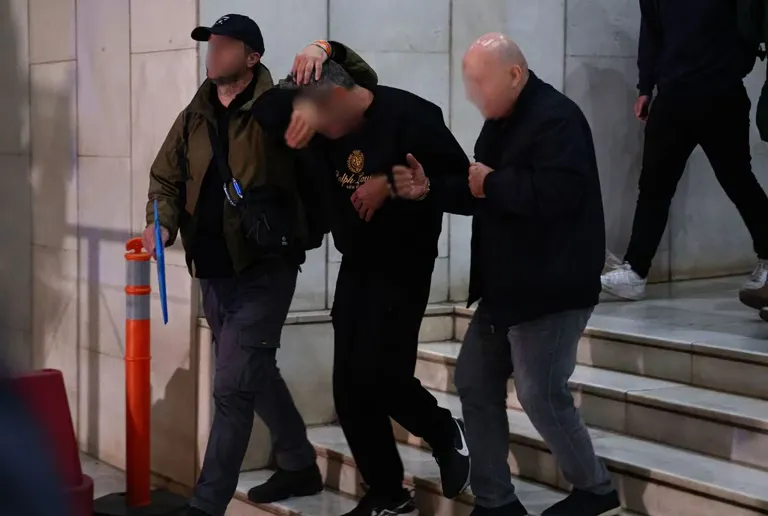
The Prosecutor of First Instance has filed criminal charges for nine felonies against the 59 individuals detained in the Choriatiko bakery case. These charges include the formation, management, and membership in a criminal organization, as well as large-scale fraud against the state and money laundering.
According to the judicial investigation, the scale of the financial misconduct is substantial. The group is accused of committing fraud against the public sector exceeding €120,000 and tax evasion amounts that surpass €150,000. Beyond these primary financial crimes, the defendants face two additional misdemeanor charges, including further instances of fraud. The suspects were brought before an investigating magistrate and have been granted extensions to prepare their defense in the coming days.
The structure of the criminal organization
The prosecution highlights that the group was not merely a collection of individuals but a highly structured criminal entity. The organization allegedly utilized a hierarchy to manage its diverse business interests, which extended far beyond the bakery sector. Central to this structure was the alleged coordination between the ringleader and a network of intermediaries who managed the day-to-day operations of the fraudulent schemes.
How did the 'straw men' system facilitate the fraud?
The criminal network utilized approximately 40 'straw men' to act as official owners and representatives of hundreds of different companies. These individuals were often elderly persons living abroad with low incomes, making them ideal candidates for the scheme as they provided a layer of anonymity for the true beneficiaries.
This method allowed the ringleader to maintain control over a vast empire while appearing disconnected from the illegal activities. One notable figure among the arrested is a former unionist from GENOP-DEI, Rizo Rizo, who is alleged to have played a pivotal role as a coordinator and messenger between the ringleader and the various straw men. By using these proxies, the organization could rapidly open and close businesses to evade accountability.
What was the scale of the shell company network?
Investigators discovered a massive labyrinth consisting of 520 'ghost' or shell companies used to facilitate the movement of illicit funds. This network was designed to absorb the revenues from approximately 200 physical retail locations, including bakeries and hospitality venues.
The operational model followed a specific pattern of systemic evasion:
- Revenue Collection: Profits were gathered from 200 various commercial outlets.
- Document Forgery: The group issued fake invoices to manipulate financial records.
- Tax Avoidance: They failed to remit VAT and social security contributions (EFKA) to the state.
- Strategic Insolvency: Once the debts of a specific company became too high, the group would abandon the entity—a practice known locally as 'dropping the cannon'—and immediately transfer operations to a new shell company.
This cycle left behind 'black holes' of unpaid debt and taxes, with the total estimated impact exceeding €100 million.
How were the assets and funds managed?
The investigation has led to significant seizures of assets and the identification of offshore financial routes used to hide the proceeds of crime. The authorities have moved to freeze the assets of all accused individuals to ensure the recovery of stolen funds.
To date, the following financial actions have been taken:
The use of a Danish bank account presented a significant challenge, as these funds are not immediately accessible to Greek authorities, complicating the recovery process.
Who is the alleged ringleader behind the empire?
The primary suspect, identified as the owner of the Choriatiko chain, is alleged to be the true owner of several other prominent business entities. According to reports from ERT, his influence extends to the Bread Factory, Attica Bakery, and Sfoliata chains, as well as numerous nightlife venues and hospitality businesses in high-profile areas such as Mykonos, Rhodes, Zakynthos, and the Athenian Riviera.
A history of criminal involvement
The investigation into the 57-year-old ringleader revealed a long-standing history of organized crime. Authorities state that he was allegedly involved in setting up a drug trafficking and human trafficking ring as early as 2008. Following the dismantling of that organization, he was arrested in 2010 and subsequently sentenced to 10 years in prison for serious felonies.
Despite his conviction, he was released under restrictive conditions, including a ban on leaving the country. This history surfaced again when he was apprehended in Ioannina while attempting to flee Greece via Albania. His ability to rebuild a massive criminal enterprise suggests a highly sophisticated understanding of how to exploit legal and financial loopholes.
Frequently asked questions
What is the total estimated financial impact of this scandal?
The investigation suggests the total financial damage exceeds €100 million. This figure is comprised of unpaid taxes, VAT, and social security contributions resulting from the systematic abandonment of hundreds of shell companies once they became heavily indebted.
How many people have been arrested in total?
A total of 59 individuals have been arrested as part of this investigation. This group includes the alleged ringleader, high-level coordinators such as a former unionist, and numerous individuals acting as straw men for the various businesses.
Why were the 'straw men' chosen for this scheme?
The ring chose 'straw men'—primarily low-income elderly individuals living abroad—to serve as the legal faces of their companies. This provided a layer of separation between the criminal activities and the actual beneficiaries, making it harder for authorities to trace the money.
Can Greek authorities access the money held in Denmark?
While Greek authorities have identified that some POS payments were routed to a Danish bank account, these funds are not directly accessible. Accessing these assets would require international judicial cooperation and specific legal procedures to bridge the gap between jurisdictions.
What happens to the seized assets?
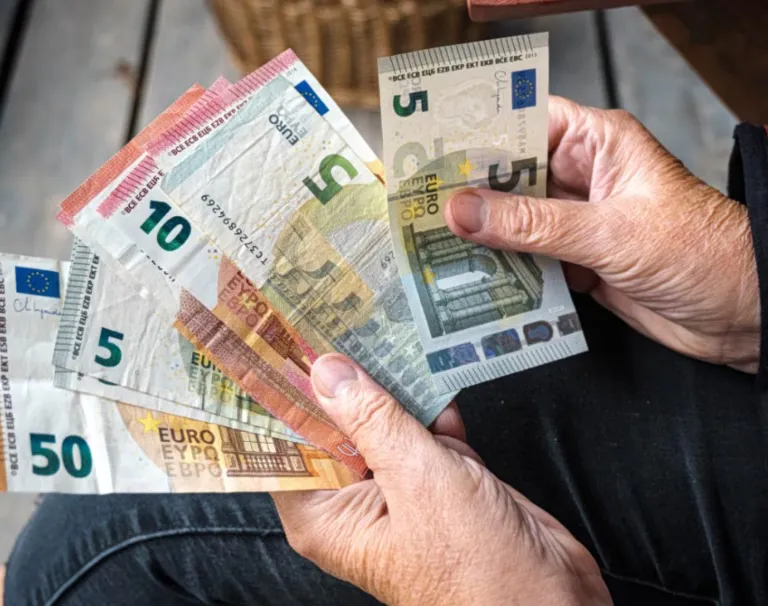
The authorities are proceeding with the total seizure of the defendants' assets. This includes €6 million already found in accounts held by straw men and several hundred thousand euros in cash, intended to cover the massive debts owed to the state.
Key takeaways
- The investigation uncovered a €100 million fraud network involving 520 shell companies.
- Fifty-nine people were arrested, including the owner of the Choriatiko bakery chain.
- Authorities identified 40 'straw men' used to hide the true ownership of assets.
- The ringleader has a prior criminal record involving drug and human trafficking.
- Significant assets, including €6 million in bank accounts, have been seized.
The scope of the investigation
The Choriatiko case represents one of the most complex financial crime investigations in recent Greek history, highlighting the sophisticated methods used by organized crime to infiltrate the legitimate economy. By blending legal business fronts, such as bakeries and nightlife venues, with a massive network of shell companies and international bank accounts, the syndicate managed to operate on a scale that evaded detection for years. The ongoing judicial process will not only focus on the recovery of the €100 million in lost revenue but also on dismantling the structural loopholes that allow such large-scale tax evasion and money laundering to persist within the commercial sector.
| Asset Type | Amount/Status | Details |
|---|---|---|
| Bank Accounts | €6 million | Seized from three accounts held by straw men but owned by the ringleader. |
| Cash | €250,000 - €300,000 | Recovered during searches of residential properties. |
| Bank Safes | Pending | Judicial authorization has been requested to open private bank vaults. |
| International Accounts | Under Investigation | POS payments were found to be routed directly to a bank account in Denmark. |