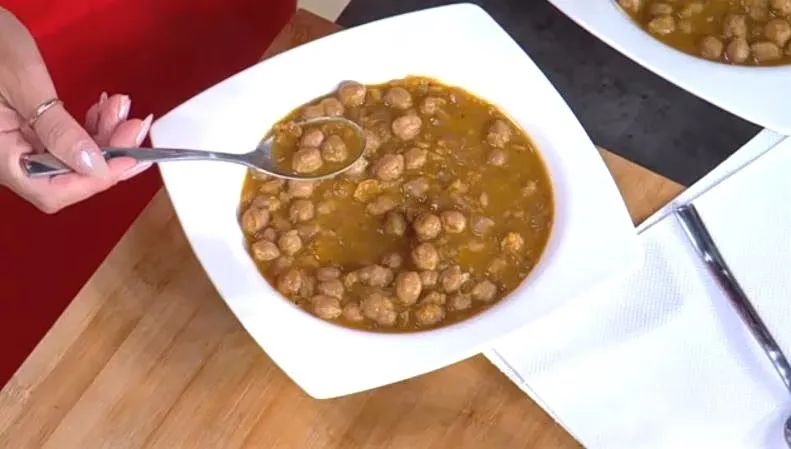
The chickpea lemonata recipe, known in Greece as Revythia, is a nutritious and comforting traditional soup that relies on the perfect balance of legumes and citrus. This specific preparation, shared by chef Argyrou Barbariou on the MEGA television programme "Smile Again!", utilizes a tahini-based thickening technique similar to avgolemono. By following a precise soaking and simmering process, cooks can achieve a creamy texture without the chickpeas losing their shape. This guide details the essential ingredients, the critical soaking phase, and the professional method for emulsifying the lemon and tahini for a superior culinary result.
What are the essential ingredients for authentic Revythia?
Creating a high-quality chickpea lemonata requires a specific set of pantry staples and fresh vegetables to build a deep, savory base. The foundation of the dish is 500 grams of dried chickpeas, which must be handled correctly to ensure the desired texture. To develop the aromatic profile, the recipe calls for two finely chopped onions and one whole garlic clove, which is used to infuse the oil before being removed.
The vegetable components include one large grated carrot, which adds subtle sweetness and color to the broth. For the emulsification—the most critical stage of the soup—you will need 2 tablespoons of tahini and fresh lemon juice. The cooking medium consists of 1/2 cup of olive oil and approximately 1.5 liters of warm water. Seasoning is completed with salt, pepper, and an optional addition of boukovo (crushed red pepper) for those who prefer a hint of heat. Finally, fresh dill is recommended for serving to enhance the bright, citrusy notes of the soup.
How do you prepare chickpeas for the best texture?
Proper preparation of the chickpeas is the most important step to prevent digestive discomfort and ensure they cook evenly. Because the quality of dried legumes can vary significantly, a rigorous soaking process is mandatory. According to the recipe shared by Argyrou Barbariou, chickpeas should be soaked in an abundance of water for a full 24 hours prior to cooking.
Once the soaking period is complete, the process moves into the initial boiling phase. The chickpeas must be rinsed thoroughly and placed in a pot with plenty of fresh water. They should be brought to a boil for approximately 10 minutes. During this initial boil, it is essential to skim off any foam that rises to the surface of the water. This step helps produce a clearer, cleaner-tasting broth. After the 10-minute boil, the chickpeas should be strained, and the pot must be rinsed out so that the actual cooking process can take place in a clean vessel.
The Importance of Water Temperature
When simmering legumes, maintaining a consistent temperature is vital for the structural integrity of the bean. If you find that the liquid level has dropped during the long simmering process, you must only add warm water. Adding cold water can shock the chickpeas, potentially causing the cooking process to stall or resulting in a tougher texture.
What is the step-by-step cooking process for Revythia?
The cooking process involves a careful layering of flavors, starting with an aromatic sauté and ending with a delicate emulsification. After preparing the chickpeas, start by heating three tablespoons of the olive oil in a clean pot. Place the whole, broken garlic clove in the oil for about one minute to infuse the fat, then remove the garlic. Next, add the finely chopped onions and sauté them until they become translucent and glossy.
Once the onions are ready, add the prepared chickpeas to the pot. Sauté the legumes with the onions for two to three minutes, ensuring they are thoroughly coated in the infused olive oil. Following this, add the grated carrot and pour in approximately 1.5 liters of warm water until the chickpeas are fully covered. Cover the pot and simmer over medium heat. The goal is to cook them for roughly one hour, or until they are tender but still hold their shape. It is crucial that the chickpeas do not peel or turn into a mushy puree.
How do you achieve the creamy lemon-tahini emulsion?
The signature characteristic of this chickpea lemonata is its creamy, velvety consistency, which is achieved through a technique similar to the Greek "avgolemono" (egg-lemon) method. This step occurs after the chickpeas have finished simmering and the heat has been increased. To begin, add the remaining olive oil and the fresh lemon juice to the pot, stirring with a wooden spoon.
The secret to the perfect emulsion lies in how the tahini is integrated. Instead of adding the tahini directly to the large pot, you should take a ladle of the hot broth from the chickpeas and use it to thin out the tahini in a separate small bowl. Once the tahini has reached a smooth, liquid consistency, gradually stir it back into the main pot. This controlled method prevents the tahini from clumping and ensures a uniform, silky texture throughout the entire soup.
What are the serving suggestions for chickpea lemonata?
To elevate the presentation and flavor profile of the Revythia, the serving stage should focus on freshness. Because the soup is rich and earthy due to the chickpeas and tahini, it benefits from a bright, herbal finish. Adding a sprinkle of fresh dill just before serving provides a necessary aromatic lift that complements the lemon acidity.
For those who enjoy a more complex flavor profile, a light dusting of boukovo (crushed red pepper) can be added. This provides a subtle heat that cuts through the richness of the olive oil and tahini. The soup is best enjoyed warm, serving as a substantial meal that showcases the traditional Mediterranean approach to simple, high-quality ingredients.
Frequently asked questions
Can I use canned chickpeas instead of dried?
While canned chickpeas are more convenient, the traditional recipe emphasizes soaking dried chickpeas for 24 hours. This method provides better control over texture and flavor. If using canned, skip the soaking and initial boiling steps, but be aware the broth may lack the same depth of flavor.
Why should I remove the foam during the first boil?
Removing the foam that rises to the surface during the initial 10-minute boil is a professional technique used to ensure a cleaner broth. This process removes impurities and proteins that can cloud the liquid or create an undesirable taste in the final soup.
How do I prevent the chickpeas from falling apart?
To keep the chickpeas intact, ensure they are simmered over medium heat and do not overcook them. They should be tender to the bite but must still maintain their individual shape. Additionally, always use warm water if you need to add more liquid during the simmering process.
What is the role of tahini in this recipe?
Tahini acts as a thickening agent that provides a creamy, nutty undertone to the soup. By tempering the tahini with hot broth before adding it to the pot, you create a smooth emulsion that mimics the texture of egg-based lemon soups without using eggs.
Can I make this recipe vegan?
Yes, this recipe is naturally vegan as it relies on olive oil and tahini for richness rather than dairy or eggs. It is an excellent plant-based option that remains highly satisfying and nutritionally dense due to the high protein content of the chickpeas.
Key takeaways
- Soak dried chickpeas in plenty of water for 24 hours before cooking to ensure proper texture.
- Skim the foam during the initial 10-minute boil to achieve a cleaner, clearer broth.
- Use warm water when topping up liquids to prevent interrupting the simmering process.
- Emulsify tahini with hot broth separately before adding it to the pot for a creamy finish.
Conclusion
The chickpea lemonata recipe, or Revythia, is more than just a simple legume soup; it is a masterclass in texture and flavor balancing. By following the professional techniques shared by Argyrou Barbariou—specifically the 24-hour soak, the careful sautéing of aromatics, and the precise tahini-lemon emulsification—you can transform humble ingredients into a sophisticated culinary experience. Whether served as a light lunch or a hearty dinner, this traditional Greek dish offers a nutritious, plant-based solution that celebrates the timeless marriage of citrus, healthy fats, and protein-rich legumes.