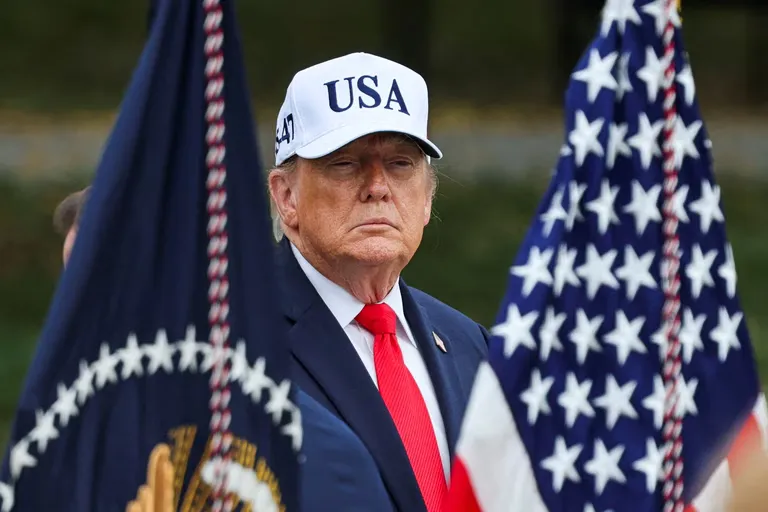
Why did the Republican Party suffer such significant losses?
The Republican Party faced a sweeping defeat across multiple states, losing crucial seats in both the Senate and the House of Representatives. While Donald Trump responded to the results via Truth Social, claiming a victory would have been more decisive, political analysts suggest the outcome reflects a widespread rejection of his core policies. The losses were particularly striking in regions considered Republican bastions, such as parts of the South and rural areas, where the party's dominance had previously seemed unshakeable.
Conservative commentators have characterized the night as a political catastrophe. Eric Erickson noted that the results were far more complex than simple issues like gas prices or Iran, citing concerns over corruption, perceived incompetence, and the administration's handling of international relations and domestic policy priorities. The scale of the rejection suggests that the electorate has moved beyond single-issue voting to a broader critique of the current leadership's direction.
The erosion of conservative strongholds
Historically, rural and Southern voters have provided a reliable foundation for the Republican Party. However, the 2026 midterm results indicate that even these demographics are no longer immune to shifts in political sentiment. This erosion suggests that the MAGA movement's influence may be hitting a ceiling, as voters prioritize immediate material concerns over ideological loyalty.
How did the rising cost of living impact the vote?
Skyrocketing costs for essential goods and services emerged as a primary driver for voters switching to the Democratic Party. Inflation, which stood at 3.7% annually in September, has placed immense pressure on American households. According to polling data, 79% of voters reported that inflation caused moderate to severe difficulties for themselves or their families over the past year.
Fuel and food prices have been particularly volatile. In early October, average retail diesel prices in the US approached a record of $6.52 per gallon. This economic strain directly contradicted the administration's narrative of a "golden age" of prosperity. Voters expressed frustration that despite promises to curb inflation, the reality of daily expenses continued to worsen.
The disconnect between rhetoric and reality
A significant gap emerged between the administration's claims of economic strength and the lived experience of the electorate. While officials promoted high-level economic indicators, citizens like those interviewed by the Financial Times noted that the cost of basic necessities remains prohibitively high regardless of personal budget levels. This perceived dishonesty regarding the economic climate alienated many middle-class voters.
What role did the conflict with Iran play in the election?
The military conflict with Iran acted as a major catalyst for voter dissatisfaction, particularly regarding energy costs and foreign policy promises. The conflict led to the closure of the Strait of Hormuz, a critical artery for global oil and liquefied natural gas (LNG) supplies, which caused fuel prices to spike at American pumps.
For many voters, the conflict was seen as a direct violation of the "America First" platform, which promised to avoid new foreign wars. According to a poll, 63% of respondents believed the US made a mistake in undertaking military action against Iran. Furthermore, 74% of voters identified the conflict as a decisive or significant factor in their decision to vote against Republican candidates in the congressional elections.
How did Democratic candidates secure their victories?
The Democratic Party's success was built on a cohesive and consistent message that resonated with voters across various demographics. By focusing heavily on the cost of living and healthcare accessibility, Democratic candidates were able to penetrate traditional Republican territories. This strategic focus allowed them to present themselves as a pragmatic alternative to the current administration.
Several high-profile candidates exemplified this approach:
- James Talrico and Adam Hamilton: Successfully appealed to voters in Texas and Kansas by maintaining a focus on economic stability.
- Annie Andrews: Achieved an unexpected victory in South Carolina by emphasizing the affordability of healthcare in her role as a former pediatrician.
- Abdul El-Sagheer: Won in Michigan by centering his campaign on removing money from politics and returning financial agency to citizens.
This "wave" was not merely a product of national trends but was driven by local candidates who projected authenticity and addressed specific regional anxieties, particularly regarding the perceived collapse of the healthcare system under Republican leadership.
What were the specific failures of the Trump administration's economic policy?
The administration's approach to economic management, particularly regarding trade, is cited by experts as a contributing factor to the electoral loss. Instead of implementing policies designed to make goods more affordable, the administration engaged in trade wars that many analysts believe drove prices higher.
Michael Strain, Director of Economic Policy Studies at the American Enterprise Institute, noted that while President Trump promised to end inflation on his first day, the subsequent trade wars led to increased costs for consumers. This policy direction, combined with a tendency to downplay voter concerns about the cost of living, left many feeling ignored by the White House.
The impact of trade policy on consumer prices
Trade wars often result in higher tariffs, which are frequently passed down to the consumer in the form of higher retail prices. In the context of the 2026 midterms, this policy was seen as a contributor to the very inflation the administration claimed to be fighting, creating a cycle of economic frustration that benefited the opposition.
Key takeaways
- Inflation reached 3.7% in September, significantly impacting voter sentiment regarding the economy.
- 79% of voters reported that rising costs caused moderate to severe financial difficulties.
- The Iran conflict and the closure of the Strait of Hormuz drove up global energy prices.
- 63% of polled voters viewed US military action against Iran as a strategic error.
- Democratic victories were driven by a consistent focus on healthcare and cost-of-living issues.
FAQ: Donald Trump midterm election defeat
Why did voters move away from the Republican Party?
Voters moved away due to a combination of high inflation, rising fuel costs, and dissatisfaction with foreign policy, particularly the conflict with Iran. The perceived disconnect between the administration's claims of economic prosperity and the actual cost of living drove many to the Democratic Party.
How did the Iran conflict affect the election results?
The conflict with Iran was a decisive factor for 74% of surveyed voters. It caused fuel prices to surge due to disruptions in the Strait of Hormuz and was viewed by many as a betrayal of the "America First" promise to avoid new military engagements.
What were the main economic concerns for voters?
The primary economic concerns were the rising costs of essential goods, such as food and fuel, and the overall impact of inflation. Approximately 79% of voters reported that inflation had caused significant or moderate hardship for their families during the preceding year.
How did Democratic candidates win in Republican areas?
Democratic candidates won by maintaining a focused, consistent message on healthcare affordability and the cost of living. By addressing these specific, high-priority issues, candidates like Annie Andrews and James Talrico were able to gain traction even in traditionally conservative states.
Did the administration's trade policies contribute to the loss?
Yes, economic analysts suggest that the administration's trade wars contributed to rising consumer prices. Rather than making goods more affordable, these policies were seen as driving up the costs that voters were already struggling to manage, exacerbating inflationary pressures.
Conclusion
The 2026 midterm elections serve as a stark indicator of the current American political landscape, characterized by a significant pivot away from the Trump administration's agenda. The confluence of economic hardship, specifically regarding inflation and energy costs, alongside a controversial foreign policy in Iran, created a perfect storm for Republican losses. While the administration maintains that the country is in a period of economic strength, the electorate's response suggests a profound demand for policies that address the immediate, material needs of daily life. The Democratic Party's ability to capitalize on these concerns through localized, issue-driven campaigns has fundamentally altered the political map.