How is PASOK defining its distance from New Democracy?
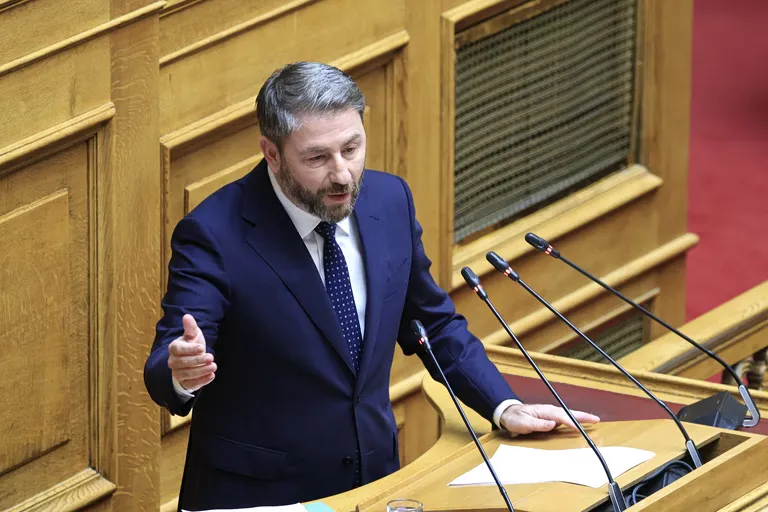
Nikos Androulakis is utilizing parliamentary debates to draw sharp lines between PASOK's vision and the current New Democracy (ND) administration. The leader of the official opposition has framed the upcoming electoral contest as a choice between two fundamentally different Greek identities. On one side, he proposes a model based on transparency, meritocracy, and human-centric policy, while on the other, he describes the current government as an embodiment of corruption and cronyism.
The recent controversy surrounding the withdrawal of Article 23 has provided significant political ammunition for PASOK. This article of the debt restructuring framework, which was retracted following intense public outcry, was characterized by Androulakis as a 'disgrace' for the New Democracy government. The opposition argues that the original proposal would have allowed creditors to seize assets without a judicial ruling, leaving vulnerable citizens without protection during periods of unemployment.
The impact of the Article 23 withdrawal
The failure of the government to maintain Article 23 has been viewed by PASOK strategists as a moment of weakness for the Prime Minister. By withdrawing the amendment, the administration appeared to be reacting to public pressure rather than leading with a clear legislative plan. Androulakis has used this 'fiasco' to question the government's accountability, particularly noting the absence of Prime Minister Kyriakos Mitsotakis during such a pivotal debate. The opposition contends that the Prime Minister's absence undermines the seriousness of the issue, which involves 'red loans' representing approximately one-third of the nation's GDP.
What are the specific criticisms directed at Alexis Tsipras?
A significant component of the current PASOK political strategy involves a direct confrontation with the legacy of former Prime Minister Alexis Tsipras. Androulakis has sought to link the current government's actions to the failures of the Syriza administration, specifically regarding the sale of non-performing loans to investment funds. By doing so, he aims to prevent the opposition from being pigeonholed into a binary choice between the current government and the old Syriza era.
Androulakis specifically targeted the scale of debt sales, noting that while the previous administration claimed not to have sold 'red loans,' it actually facilitated the sale of approximately €20 billion in such assets to various funds. He argued that the current New Democracy government has gone even further, selling three times that amount. This rhetorical move is designed to position PASOK as the only credible protector of the primary residence and the true defender of the working class against the interests of international funds.
What is the PASOK proposal for managing private debt?
PASOK is presenting a detailed alternative to the current debt management framework, focusing on legislative protections for debtors. The party's plan emphasizes the re-establishment of protections for the primary residence and the creation of a more stable framework for the '120 installments' program. A key pillar of their proposal is the introduction of a 'right of first refusal' for debtors, allowing them to submit their own repayment proposals before a fund can acquire their debt.
The proposed PASOK legislation includes several specific safeguards aimed at preventing financial ruin for vulnerable households:
- Unseizable professional accounts: Ensuring that individuals can maintain the ability to work and earn a living without immediate asset seizure.
- Protection of agricultural property: Providing specific safeguards for farmers to prevent the loss of their livelihoods.
- Fair solutions for foreign currency debtors: Addressing the unique challenges faced by those with loans in Swiss Francs and their guarantors.
- Reform of the out-of-court mechanism: Changing the framework so that restructuring agreements cannot be used as immediate enforceable titles for creditors.
Androulakis has described the current legislative approach as a 'noose around the necks' of citizens, arguing that the current system prioritizes creditor rights over human dignity.
What is the immediate political agenda for PASOK?
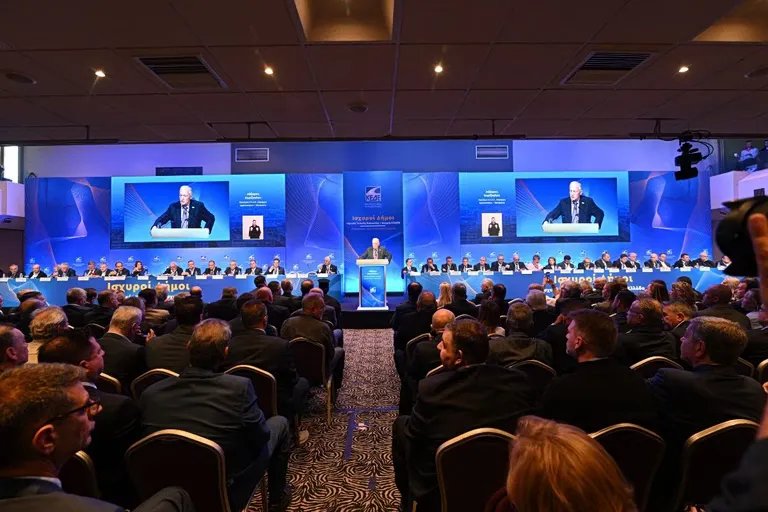
Beyond the parliamentary struggle, PASOK is shifting its focus toward local government and grassroots organization. The party is currently preparing for the upcoming KEDE (Municipalities and Regional Authorities) conference, which serves as a testing ground for its local leadership and regional influence. Nikos Androulakis is scheduled to participate in the conference in Kalamata, using the opportunity to engage with local officials and citizens in the Peloponnese region.
The leader's itinerary includes meetings with various stakeholders, including youth organizations and educational institutions, such as special primary and nursery schools. This movement suggests a dual-track strategy: maintaining a high-level ideological battle in Athens while simultaneously building the organizational muscle required for local and national elections. By touring areas like Messinia and Arcadia, the party seeks to demonstrate its presence and readiness to govern at every level of the Greek state.
Frequently asked questions
How does PASOK view the current government's handling of debt?
PASOK views the New Democracy government as prioritizing the interests of international funds over the rights of Greek citizens. The party criticizes the government for allowing the sale of massive amounts of 'red loans' and for proposing legislation, like the withdrawn Article 23, that could lead to the loss of primary residences without judicial oversight.
Why is Nikos Androulakis criticizing Alexis Tsipras?
Androulakis criticizes Tsipras to distance PASOK from the Syriza era and to highlight a pattern of mismanagement. He argues that the previous administration sold €20 billion in bad loans to funds, a practice he claims the current government has expanded significantly, thereby framing both parties as failing the protection of the citizenry.
What is the PASOK plan for the '120 installments' program?
PASOK proposes a new, more stable framework for the 120 installments program. Their goal is to ensure that debt restructuring provides genuine relief rather than just a temporary reprieve, while also introducing a right of first refusal that allows debtors to propose their own repayment terms before funds take control.
What role does Article 23 play in this political debate?
Article 23 was a controversial part of the debt restructuring mechanism that would have allowed restructuring agreements to act as enforceable titles for creditors. PASOK labeled it a 'disgrace' because it could lead to the immediate seizure of assets from people who suddenly lose their income, leading to its eventual withdrawal by the government.
What is the significance of the KEDE conference for PASOK?
The KEDE conference is a key moment for PASOK to demonstrate its strength in local government. It allows the party to organize its regional leadership and provides a platform for Nikos Androulakis to connect with local authorities and citizens, building momentum for both municipal and national electoral contests.
Key takeaways
- PASOK is positioning itself as a distinct alternative to both New Democracy and Syriza.
- Nikos Androulakis has heavily criticized the government's management of 'red loans' and Article 23.
- The party proposes new legal protections for primary residences and professional accounts.
- PASOK aims to introduce a right of first refusal for debtors in restructuring processes.
- The party is currently focusing on local government engagement through the KEDE conference.
Conclusion
The current PASOK political strategy is a multifaceted attempt to reclaim the center-left ground by attacking the perceived failures of both the current administration and the previous Syriza government. By focusing on the tangible issue of private debt and the protection of the primary residence, Nikos Androulakis is attempting to turn a technical economic debate into a moral crusade for dignity and transparency. As the party moves from parliamentary debates to local government engagement, its ability to translate these high-level critiques into a coherent, actionable governance model will be the ultimate test of its readiness for the next national election.