How does the energy crisis impact food prices?
The link between energy volatility and grocery costs is characterized by a significant time lag that complicates monetary policy. While fuel price increases are often reflected almost immediately on supermarket shelves due to their direct impact on supply chain logistics, the broader effects of an energy shock on food production are much slower to materialize.
According to the ECB analysis, the full impact of an energy shock on food prices can be felt six months or even longer after the initial event. This delay is driven by several structural factors:
- Agricultural Cycles: The timing of energy price spikes relative to planting and harvesting seasons.
- Input Costs: The rising cost of nitrogen-based fertilizers, which are highly energy-intensive to produce.
- Geographical Variables: A country's specific industrial structure, topography, and level of import dependence.
While the current wave of price adjustments appears less aggressive than the post-invasion surge seen in 2022, analysts warn of a potential "tsunami." Research from Rabobank suggests that European households may face significant financial strain during the 2026 holiday season, with food price adjustments potentially peaking within the first half of 2027.
What is the ECB Daily Price Dataset (DPD)?
The Daily Price Dataset (DPD) is an innovative AI-driven tool designed to monitor supermarket price changes in real-time. Developed as part of the ECB's PRISMA research network, the DPD was created in collaboration with the Bank for International Settlements' Innovation Hub and the Deutsche Bundesbank to provide policymakers with granular data on consumer trends.
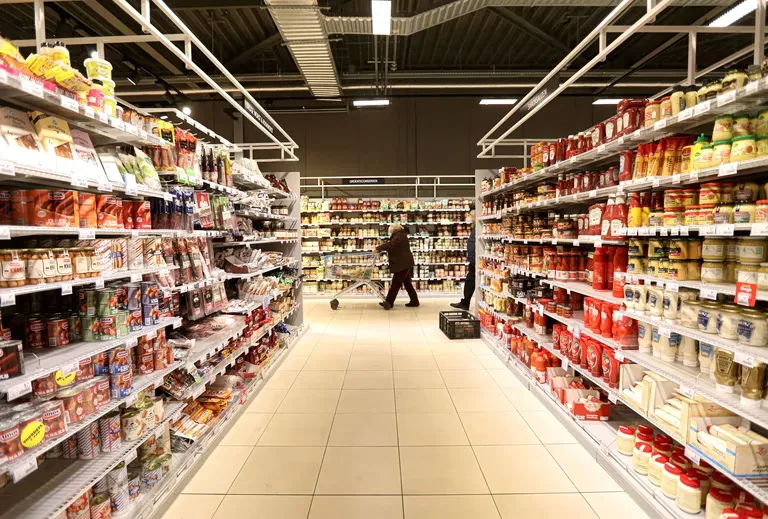
The tool operates by scanning prices from online supermarkets and using an AI-based classifier to categorize products into the specific groups that constitute the Harmonised Index of Consumer Prices (HICP) basket. This high-frequency data collection allows the ECB to distinguish between short-term fluctuations and long-term inflationary trends.
How the DPD distinguishes market noise from real inflation
A critical function of the DPD is its ability to filter out "market noise." Standard inflation metrics often struggle to account for the rapid ebb and flow of retail promotions. By measuring price adjustments on a monthly basis across selected product codes, the DPD eliminates the volatility caused by temporary discounts and special offers. This ensures that the data reflects the actual underlying movement of prices rather than mere seasonal marketing tactics. Furthermore, because the tool collects data continuously, it can readjust its estimates throughout the month, providing a more accurate picture of the current economic landscape than traditional lagging indicators.
How do economists measure the intensity of inflation?
To forecast future inflation, ECB analysts focus on two primary dimensions of price movement: the frequency of changes and the magnitude of those changes. These two metrics are referred to as the "extensity margin" and the "intensity margin," respectively.
By analyzing these margins, researchers can answer a fundamental question: Is inflation being driven by a few massive price hikes across specific sectors, or is it a broad-based wave affecting a wide range of products and retailers? The distinction is vital for determining whether inflation is becoming "sticky" or entrenched in the economy.
- Extensity Margin: The frequency with which businesses raise or lower prices.
- Intensity Margin: The actual size or percentage of each price change.
The DPD data indicates that following the energy shock of March 2026, there was a widespread increase in the frequency of food price adjustments. However, the intensity of these adjustments remained significantly lower than the levels observed during the 2022 inflationary spike. Crucially, the gap between the frequency of price increases and decreases remains narrow, suggesting a more balanced market than in previous years.
Why is there a gap between inflation data and consumer perception?
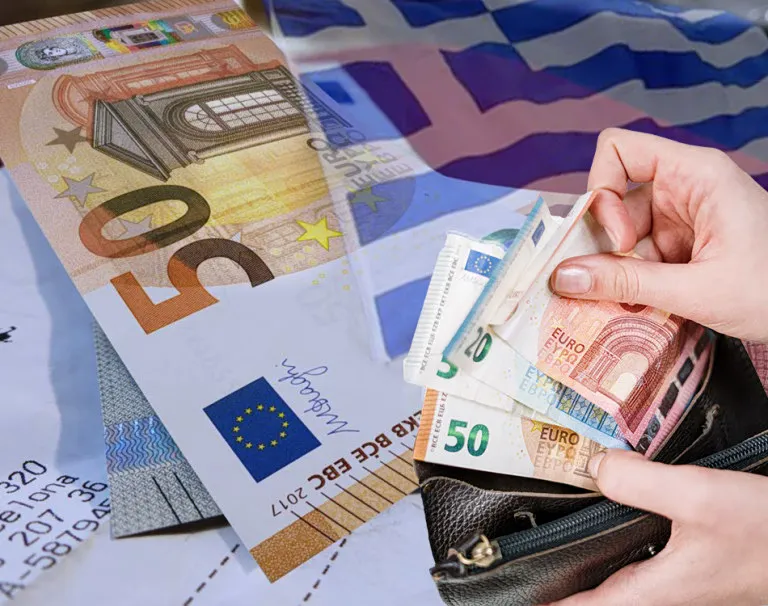
There is a notable divergence between official HICP figures and how households actually experience inflation, a phenomenon known as "perceived inflation." This gap is particularly pronounced in certain regions, such as Greece, where consumers are among the most pessimistic in Europe regarding both official inflation trends and their personal cost of living.
The weight of food in the household budget is a primary driver of this perception. While food accounts for approximately 20% of the eurozone consumer basket, this figure rises to 32% for low-income households in Greece. Consequently, even when official food inflation enters negative territory—as seen in July and September 2026—households do not feel immediate relief. This is because consumers are reacting to the cumulative effect of price increases rather than monthly fluctuations.
Over the past six years, cumulative food price increases have reached approximately 35%. This long-term upward trend means that even if the rate of increase slows down, the absolute cost of living remains significantly higher than in previous years, fueling persistent pessimism and high perceived inflation.
What are the implications for monetary policy?
The findings from the DPD and Project Spectrum provide essential intelligence for the ECB's decision-makers. The data suggests a more moderate approach might be warranted, aligning with the "doves" within the bank who advocate for restraint rather than the "hawks" pushing for aggressive interest rate hikes.
The ECB's analysis notes that after the March 2026 energy shock, there has been little evidence of a permanent shift in the frequency with which retailers adjust food prices. This stands in stark contrast to the 2022 period, where price adjustments were both more frequent and more intense, creating a much higher risk of entrenched inflation. For policymakers, understanding whether these price adjustments are temporary reactions to energy costs or the start of a self-sustaining inflationary cycle is the key to determining the future path of interest rates.
Key takeaways
- ECB food price adjustments are currently less intense than the 2022 inflationary wave.
- Energy shocks typically impact food prices with a delay of six months or more.
- The Daily Price Dataset (DPD) uses AI to monitor real-time supermarket price fluctuations.
- Food represents 32% of the consumer basket for low-income households in Greece.
- Cumulative food price increases have reached 35% over the last six years.
FAQ: ECB food price inflation
Will food prices continue to rise in 2027?
While the ECB sees current dynamics as less intense than in 2022, Rabobank research suggests food price adjustments could peak in the first half of 2027. The delayed impact of energy costs on agriculture means the full effect of recent shocks may still be unfolding.
How does the ECB track supermarket prices?
The ECB uses the Daily Price Dataset (DPD), an AI-based tool that scans online supermarkets. It categorizes products into HICP groups and measures the frequency and magnitude of price changes while filtering out temporary discounts and promotions to provide accurate data.
Why do consumers feel inflation is higher than official data?
Consumers often experience "perceived inflation" due to cumulative price increases. Even if monthly inflation slows, the 35% rise in food costs over the last six years means prices remain high, making the actual burden on household budgets feel much heavier.
Does energy cost affect food prices immediately?
No, there is a significant lag. While fuel costs impact transport almost immediately, the costs of energy-intensive inputs like fertilizers and the timing of agricultural cycles mean food prices often reflect energy shocks six months or more after they occur.
What is the difference between the "hawks" and "doves" at the ECB?
In the context of this report, "hawks" are officials who favor higher interest rates to combat inflation, while "doves" advocate for more cautious, moderate policies. Current data suggests the inflation trend is more stable, supporting a more moderate stance.
Conclusion
The ECB's recent analysis provides a nuanced view of the current inflationary landscape. While the immediate "storm" of food price adjustments appears less volatile than the crisis of 2022, the structural delays in how energy costs permeate the food supply chain remain a significant concern. With cumulative food price increases reaching 35% over six years, the gap between official statistics and consumer reality continues to widen, particularly in countries like Greece. As policymakers monitor the DPD for signs of persistent price adjustments, the focus remains on whether the current stability can hold against the projected peaks of 2027.