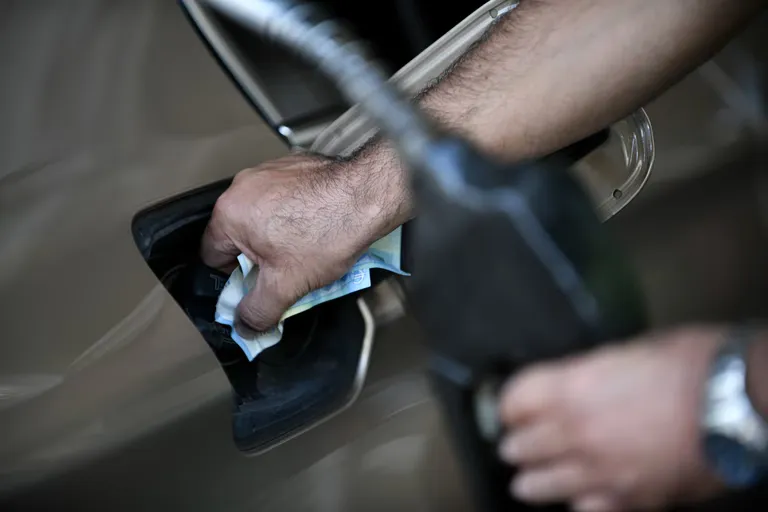
How are current fuel subsidies structured to combat the energy crisis?
The current subsidy framework provides varying levels of relief depending on the specific fuel type, with the government and refineries sharing the financial burden in several categories. As the temporary subsidy regime reached its deadline on October 31, 2026, the distribution of these funds became a critical point of discussion for economic stability.
Breakdown of fuel support mechanisms
The subsidy for heating oil currently stands at 40 cents per liter, a cost that is split equally between the state and the refineries. For diesel, the support reaches 20 cents per liter, though the funding structure differs: the state budget covers 15 cents, while refineries contribute the remaining 5 cents. Unleaded gasoline receives a 10-cent per liter subsidy, which is funded exclusively by the state. For gasoline-powered vehicles, there is no direct state subsidy; instead, motorists benefit from a refinery discount of approximately 10 cents per liter.
What is the impact of rising energy prices on household budgets?
Households are facing significantly higher expenditures, with some families potentially paying up to €67 more per month for heating compared to the previous year. The volatility in the energy market has turned routine financial planning into a period of constant uncertainty for millions of citizens and small to medium-sized enterprises.
The most dramatic increases are observed in heating oil, which has seen price fluctuations that can reach up to 40% within a single year. This surge is particularly impactful as the winter season approaches, necessitating higher consumption levels. There are also notable regional disparities in how these costs are felt; for instance, the consumption needs and subsequent financial impact in areas like Florina differ significantly from those in Athens, complicating the landscape of energy poverty.
What are the current average fuel prices in the market?
According to the Ministry of Development's Price Observatory, as of October 27, 2026, average fuel prices across Greece reflect the ongoing pressure from international markets. These figures represent the baseline cost for consumers before any specific local discounts or subsidies are applied at the pump.
The average national prices recorded were:
- Unleaded gasoline (95 octane): €2.143 per liter
- Diesel: €2.127 per liter
- Heating oil: €1.56 per liter
These prices underscore the difficulty faced by consumers who must navigate frequent price changes. The constant movement of these indicators makes it difficult for both individuals and businesses to accurately forecast their monthly operational or living expenses.
Why does the government delay subsidy announcements?
The government has adopted a "last-minute" strategy for announcing support measures, a tactic driven by the unprecedented uncertainty currently present in international energy markets. Government spokesperson Pavlos Marinakis confirmed that decisions are often finalized at the very end of deadlines to ensure they are responsive to real-time market fluctuations.
This management philosophy aims to align state intervention with the actual conditions of the energy exchanges. By waiting until the final hours, officials attempt to calibrate the level of support to the most recent price data. However, this approach also leaves the market and consumers in a state of "wait and see," which can increase psychological and financial stress for those awaiting clarity on their upcoming costs.
What role does European policy play in addressing the crisis?
With domestic fiscal margins tightening, the Greek government is increasingly looking toward Brussels to secure additional tools and resources for energy protection. The ability to expand the "protection umbrella" for citizens depends heavily on a series of upcoming high-level European meetings.
Four critical European milestones have been identified as decisive for the future of energy policy and support:
- October 29: The Council of Energy Ministers.
- November 9: The Eurogroup meeting.
- November 13 and November 26-27: Critical summits involving European leaders.
The outcomes of these diplomatic and economic engagements will determine whether Greece can access the necessary mechanisms to provide more sustainable and long-term relief to its population and economy.
Key takeaways
- Heating oil subsidies currently provide 40 cents per liter, split between the state and refineries.
- Diesel support totals 20 cents per liter, with the state covering 15 cents.
- Unleaded gasoline costs averaged €2.143 per liter as of late October 2026.
- Households may face monthly heating increases of up to €67 compared to 2025.
- Upcoming European summits in November will decide future energy support tools.
FAQ: Energy crisis and fuel subsidies
How much is the subsidy for heating oil?
The current subsidy for heating oil is 40 cents per liter. This cost is shared equally between the state and the refineries, meaning each party covers 20 cents per liter to help mitigate the impact on consumers.
Is there a state subsidy for gasoline?
There is no direct state subsidy for gasoline. Instead, gasoline vehicle owners benefit from a refinery discount of approximately 10 cents per liter, which is a continuation of existing measures rather than new state funding.
What are the average diesel prices?
As of October 27, 2026, the average national price for diesel was €2.127 per liter. This is supported by a 20-cent per liter subsidy, where the state contributes 15 cents and refineries contribute 5 cents.
Why are subsidy decisions made so late?
Decisions are delayed to account for the high volatility in international energy markets. By waiting until the deadline, the government attempts to tailor support measures to the most current and accurate market pricing available.
How will European meetings affect energy costs?
The upcoming meetings of the Eurogroup and European leaders in November are expected to determine if Greece can access new financial tools to expand energy protection and support for its citizens.
Conclusion
The energy crisis remains a volatile challenge, characterized by unpredictable price swings and a reliance on last-minute government interventions. While current subsidies provide essential relief for heating oil and diesel, the burden on households continues to grow, especially with rising winter demand. The reliance on refinery discounts and state-funded gasoline subsidies offers only partial protection against a market that has seen increases of up to 40% in a year. Ultimately, the long-term stability of the Greek energy landscape will depend on the results of upcoming European policy negotiations in November.