Financial deterrents in the television industry
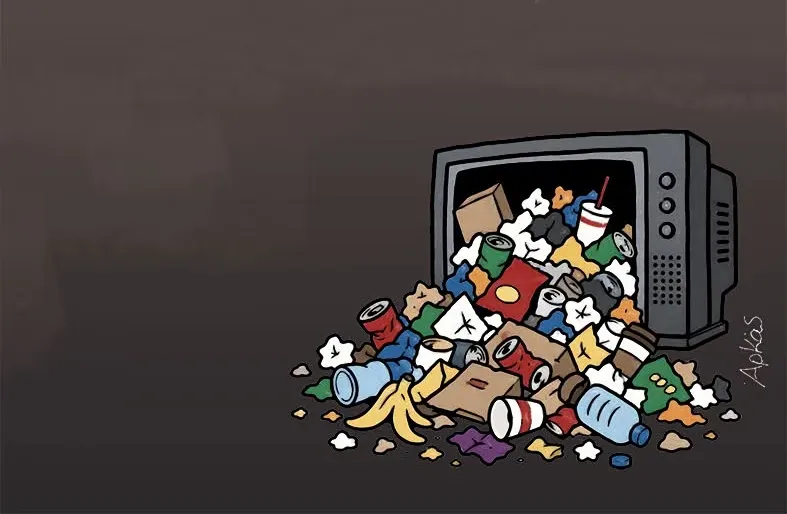
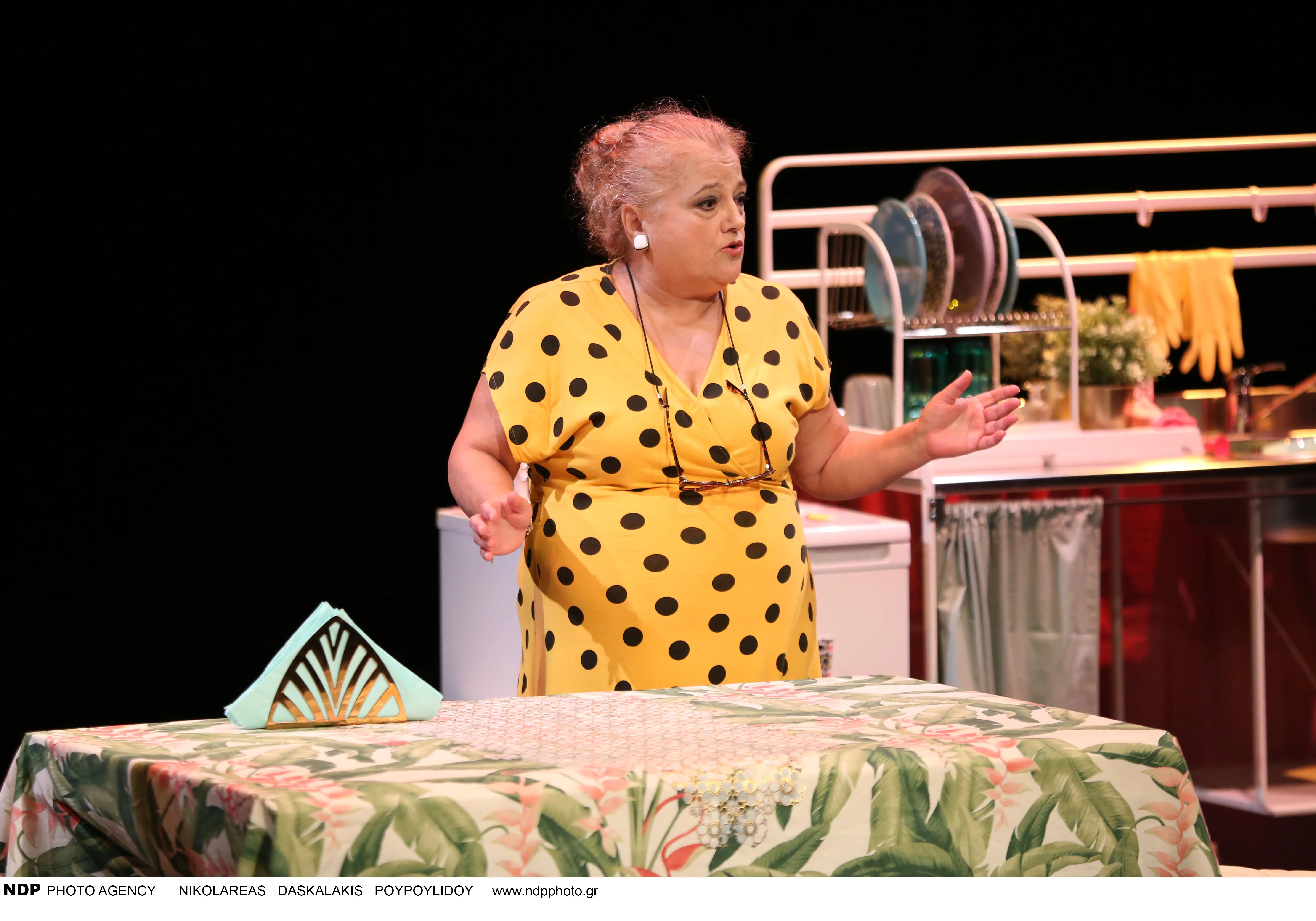
The economic landscape of television has become a primary obstacle for established talent, as evidenced by Eleni Kastani's recent professional decisions. During a comprehensive interview on Action 24 with host Nega, the actress revealed that while she remains interested in performing, the compensation offered by networks is no longer sustainable for professionals of her caliber.
Kastani specifically noted a recent instance where a script caught her interest, yet the financial terms were so low they felt insulting. She described the current remuneration in the television sector as "ghastly little," suggesting a disconnect between the effort required for high-quality production and the budgets allocated to talent. This sentiment reflects a broader trend where the shrinking margins of media production may be driving seasoned actors away from mainstream broadcasting.
For veteran performers, the decision to accept or decline roles is no longer just about the artistic merit of a script, but a calculation of economic viability. When the financial rewards do not align with the professional standard, even compelling narratives fail to secure participation.
Gender dynamics and the acting profession
Professional equality remains a significant hurdle for women in the arts, with Kastani pointing out that the acting industry is still heavily dominated by men. She noted that for a woman to be truly accepted and recognized in this field, she must navigate a landscape where male perspectives often hold the most influence.
According to Kastani, the profession of acting is "male-dominated," creating an environment where women must work harder to secure their footing and maintain their professional standing. This systemic imbalance affects not only casting decisions but also the overall culture of production sets and industry hierarchies.
The struggle for female performers involves more than just securing roles; it involves navigating the social and professional structures that have historically prioritized male voices. Kastani's observations suggest that while the industry evolves, the underlying power dynamics remain a challenge for female artists seeking long-term stability and respect.
Personal health and the public eye
Beyond her professional commentary, Kastani shared intimate details regarding her physical transformation and the pressures of maintaining a public image. The actress discussed her significant weight loss journey, noting a transition from a peak of 100 kilograms to her current weight of 69 kilograms.
Maintaining this weight requires constant vigilance, a reality she shared after receiving medical guidance. She explained that her current lifestyle is focused on a "maintenance stage" to prevent the weight from returning, a task she finds necessary for her well-being. This personal discipline is part of a broader effort to manage her health amidst the rigors of her career.
Kastani also touched upon her identity and how she is perceived by the public. She mentioned that her voice is her most recognizable trait, often serving as her primary identifier in public spaces. She described her approach to her appearance with humility, noting the importance of staying healthy while managing the expectations that come with being a public figure.
The emotional connection with the audience
Despite the professional and physical challenges, the actress finds profound emotional sustenance through the affection of her viewers. She described the love received from the public as a force that "replenishes the love of her father," indicating a deep, almost familial connection to her fan base.
This emotional bond serves as a vital counterweight to the frustrations of the industry. While the financial and gender-based obstacles can be draining, the recognition and support from the audience provide a sense of purpose and emotional stability. For Kastani, the relationship with the audience is not merely transactional; it is a source of psychological strength that helps her navigate the complexities of her life and career.
Frequently Asked Questions
Why is Eleni Kastani not returning to television?
Eleni Kastani expressed a desire to return to television but cited insufficient financial compensation as the primary reason. She mentioned that recent offers for interesting scripts were "ghastly little," making it economically unfeasible for her to accept roles in the current media climate.
What are the gender challenges in the acting industry?
Kastani highlighted that the acting profession remains heavily male-dominated. She noted that women face specific difficulties in being accepted and recognized by their male counterparts, suggesting that the industry's structural hierarchy still favors men in many professional aspects.
How has Eleni Kastani managed her health?
The actress has undergone a significant weight loss, moving from 100 kilograms to 69 kilograms. She is currently in a maintenance phase of her diet, following medical advice to ensure the weight does not return, while managing the pressures of her public life.
Conclusion
Eleni Kastani's recent revelations provide a sobering look at the intersection of art, economics, and gender in the modern media era. Her struggle to find financially viable roles highlights a growing tension in the television industry, where talent and production costs are increasingly misaligned. Furthermore, her commentary on the male-dominated nature of acting underscores the ongoing need for structural change regarding gender equality. Ultimately, while the economic and social hurdles are significant, the enduring connection between Kastani and her audience remains a powerful testament to the lasting impact of her work and the emotional resilience required to navigate a demanding profession.